Small living rooms often get labeled as difficult or limiting, but in reality, they are spaces full of creative potential. When you do not have endless square meters to work with, every decision matters more. You start paying attention to how you move, where you rest, and what you actually use daily. That awareness is what makes DIY projects especially powerful in small living rooms.
Instead of trying to copy large, staged interiors, DIY allows you to shape a space around real life. A small living room can be cozy without feeling crowded, practical without looking boring, and personal without becoming chaotic. The key is designing flexibility into the space so it can adapt to different moments of the day. This article focuses on how to turn a small living room into a multi-functional space using thoughtful DIY solutions you can realistically do at home. These ideas are budget-friendly, adaptable, and designed to support how you actually live.
Seeing the Living Room as More Than One Room
The first step is letting go of the idea that a living room should only serve one purpose. In many homes, especially apartments, the living room quietly becomes the center of daily life. It may be where you relax, work, host friends, eat occasionally, or even exercise.
DIY projects work best when they acknowledge this reality. Instead of trying to hide these functions, you design for them. The goal is not to divide the room into strict sections but to allow it to shift smoothly from one use to another. Spend a little time observing your habits. Notice where clutter collects, where you naturally sit, and which areas feel underused. These details will guide the most effective DIY improvements.
Building DIY Furniture That Earns Its Place
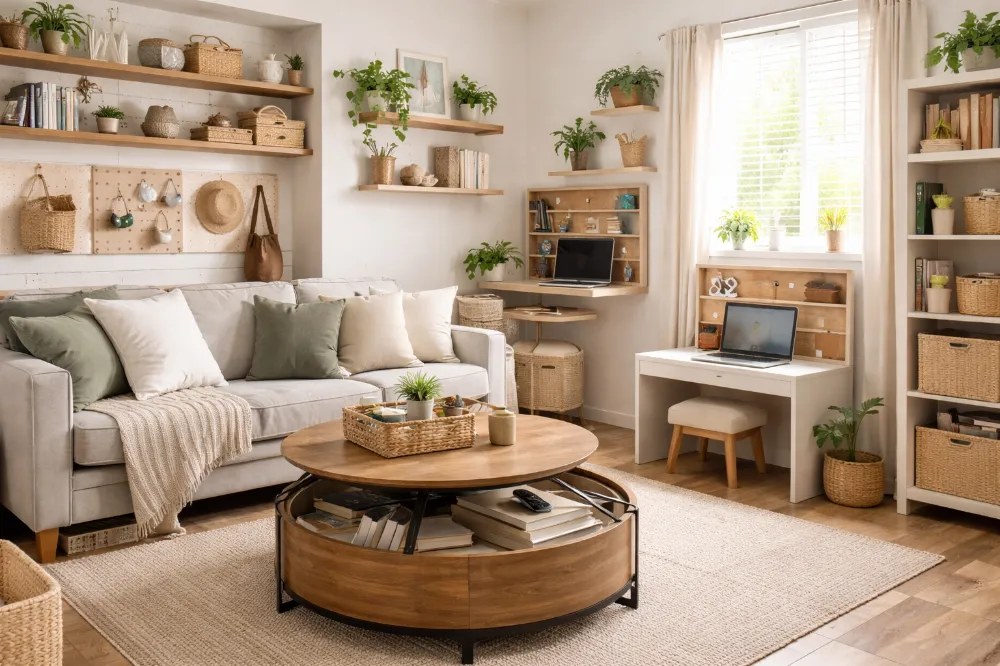
In a small living room, furniture should work harder than usual. Pieces that serve only one function often take up too much valuable space. DIY furniture allows you to customize size, storage, and purpose in ways store-bought options rarely do. A storage coffee table is one of the most useful projects. Using reclaimed wood, crates, or an old trunk, you can create a surface that also hides books, blankets, or electronics. This keeps the room tidy without removing comfort.
Benches with hidden storage are another great solution. Placed under a window or against a wall, they offer seating, storage, and sometimes even workspace. Adding cushions or fabric panels lets you personalize the look while keeping the structure simple. Fold-down wall desks are especially useful if you work from home. When closed, they blend into the wall. When open, they provide a functional workspace without taking up permanent floor space. This kind of DIY solution allows the living room to transform throughout the day.
Using Vertical Space With Intention
Walls are often underused in small living rooms, yet they offer enormous potential. Vertical storage allows you to free up floor space while visually expanding the room. Floating shelves are one of the simplest and most effective DIY projects. When placed higher on the wall, they draw the eye upward and make the ceiling feel taller. Use them for books, plants, or a mix of decorative and practical items.
A custom wall unit made from modular boxes or wooden planks can be tailored to your exact wall size. Mixing open and closed sections keeps the design light and prevents visual overload. Pegboards are another flexible option. Painted the same color as the wall, they blend in while providing adjustable storage for small baskets, headphones, or decor. The ability to rearrange items without drilling new holes makes pegboards especially practical in small spaces. Vertical storage works best when it leaves breathing room. Empty space is just as important as filled space.
Hidden Storage That Keeps the Room Calm
Visual clutter is one of the fastest ways to make a small living room feel overwhelming. Even organized items can create stress if everything is on display. Hidden storage DIYs help maintain visual calm without sacrificing functionality. Ottomans with lift-up lids are easy to build and incredibly versatile. They function as seating, footrests, or side tables while storing items out of sight.
Curtain-covered storage is another simple trick. If you have open shelving or low cabinets, adding fabric panels instantly hides clutter while adding warmth and texture to the room. You can also use the space under sofas creatively. Low rolling bins or baskets can store items you do not need daily while remaining easy to access. When clutter disappears visually, the room feels larger and more peaceful.
Creating Zones Without Physical Barriers
Zoning is essential in multi-functional spaces, but walls are rarely the answer. DIY zoning relies on visual cues rather than physical divisions. Rugs are one of the most effective tools. A larger rug under the seating area defines the relaxation zone. A smaller rug near a desk or chair signals a work or reading area. Layering rugs can add depth without overwhelming the room.
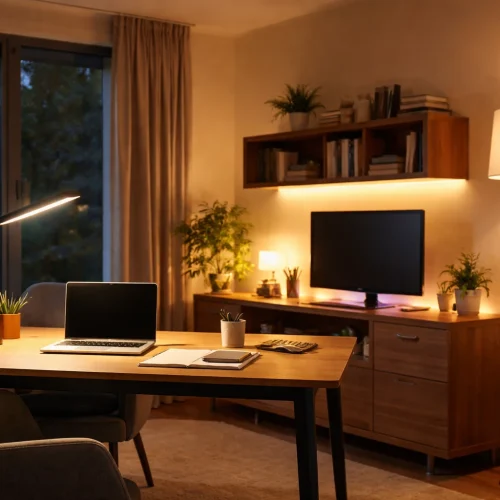
Lighting also plays a key role. A floor lamp creates a cozy corner. A table lamp softens the main seating area. Layered lighting allows different moods without changing the layout. Furniture placement matters as well. Slightly angling a sofa or pulling it away from the wall can create separation without closing off the space.
DIY Wall Decor That Feels Personal, Not Busy
Wall decor in small living rooms should add meaning without creating clutter. DIY projects allow you to personalize the space while controlling scale and balance. Photo collages are an excellent way to tell a visual story without using multiple frames. Tools like the Adobe Express collage maker make it easy to combine personal photos, textures, or artwork into one cohesive design that can be printed and framed at home.
Typography art is another simple option. Quotes, lyrics, or single words that resonate with you can be hand-lettered, printed, or stenciled onto paper or canvas. Keeping colors neutral ensures the room stays calm. If you choose a gallery wall, plan it carefully. Consistent frame styles or color palettes help maintain visual order, even in a small space.
Decor That Evolves With the Seasons
Permanent decor can make a small living room feel stagnant over time. Seasonal DIY updates keep the space feeling fresh without adding long-term clutter. Pillow covers are one of the easiest changes. Light fabrics and colors for warmer months, heavier textures for colder seasons. Sewing or no-sew options make this accessible for beginners.
Wall art can also rotate. Keeping a few prints and switching them every few months changes the mood without storing bulky decorations. Even small DIY elements like candle holders, trays, or fabric accents can shift the atmosphere of the room. Seasonal updates help the space feel alive and responsive to your life.
Designing for Real Life, Not Just Looks
A living room that looks good but does not support daily routines quickly becomes frustrating. DIY should always prioritize function. If you work from home, create storage that allows you to pack away work items at the end of the day. This helps maintain a mental boundary between work and rest.
If you entertain often, plan for flexible seating. Floor cushions, foldable stools, or stackable chairs stored out of sight allow you to host without sacrificing daily comfort. If relaxation is your main goal, focus on comfort first. Soft lighting, cozy textures, and clear surfaces create a space that feels restorative rather than busy.
Simple DIY Improvements With Big Impact
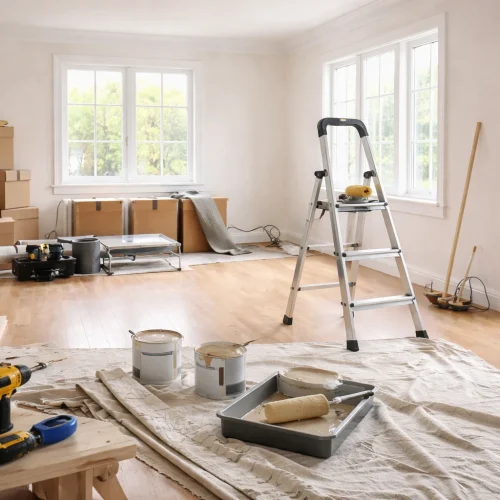
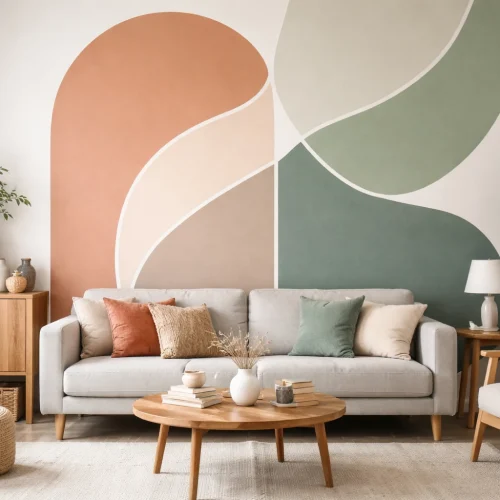
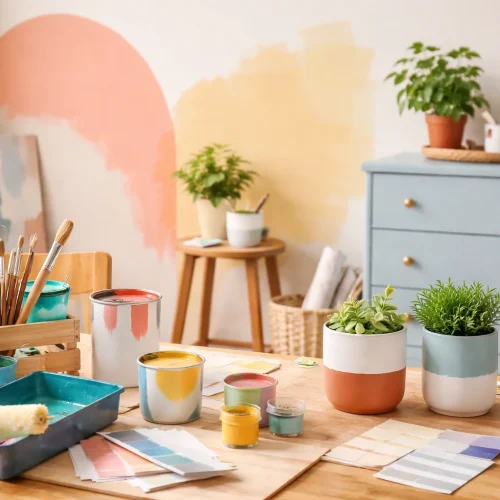
Not all DIY projects involve building furniture. Some of the most effective changes are small and affordable. Repainting furniture or a single wall can completely change the room’s energy. Neutral tones expand the space visually, while one accent color adds depth.
Changing hardware on storage units modernizes them instantly. Handles and knobs are small details that elevate the overall look. Even rearranging furniture costs nothing and often reveals layouts you had not considered before. DIY is as much about experimentation as it is about creation.
Learning When to Stop Adding
One of the most valuable DIY skills is editing. In small living rooms, space itself is a design element. If an item does not serve a purpose or bring joy, consider removing it. This creates visual calm and allows the remaining pieces to stand out. This does not mean stripping the room of personality. It means choosing intentionally. DIY spaces evolve over time, and that flexibility is one of their greatest strengths.
Final Thoughts: Small Space, Thoughtful Design
A small living room is not a limitation. It is an opportunity to design with care, creativity, and intention. Through DIY solutions, you can create a space that adapts to your needs, hides clutter, and reflects your personality. Multi-functional furniture, hidden storage, flexible zones, and meaningful decor work together to support daily life. The most successful DIY living rooms are not perfect. They are adaptable and personal. Start with one project and let the room grow with you. When a space truly works for your life, its size becomes irrelevant.
FAQs
By using DIY furniture, flexible layouts, and visual zoning instead of permanent walls or major changes.
Multi-purpose pieces like storage coffee tables, benches with hidden storage, and fold-down desks work best.
Focus on hidden storage such as ottomans, under-sofa bins, and curtain-covered shelves to keep items out of sight.
Yes, fold-down desks and compact workstations allow the room to shift between work and relaxation easily.
Use rugs, lighting, and furniture placement to define zones instead of physical barriers.
Yes, shelves, pegboards, and wall units free up floor space and make the room feel taller and more open.
Simple, cohesive wall art, photo collages, and neutral color palettes prevent visual overload.
Reusing materials, repurposing furniture, and focusing on small changes like paint or hardware keep costs low.
Design clear storage solutions and make sure each item has a purpose and a place.
When added items no longer improve function or comfort, it’s better to edit and simplify.