Why Transitional Design Stands Out in Palific Palisades
A transitional interior designer Palific Palisades brings a unique ability to merge two worlds—classic comfort and contemporary elegance. Families in this coastal community often want their homes to reflect a balance: sophisticated enough for entertaining, but relaxed enough for everyday living. That’s where transitional design shines, offering timeless appeal without feeling dated or overly trendy.
Creating a Home That Feels Both Fresh and Familiar
Think of transitional style as that sweet spot between the warmth of traditional interiors and the clean lines of modern design. It’s the kind of environment where a linen sofa with simple tailoring can sit beneath a chandelier that feels both luxurious and understated. When I first stepped into a redesigned Palisades living room, the contrast was striking. The space felt fresh but still carried that sense of “home” you don’t want to lose. Neighbors walking in immediately felt welcomed rather than overwhelmed by a showroom feel.
Transitional interior designer Palific Palisades professionals understand how to craft that perfect middle ground without tipping too far in either direction.
Blending Old Memories With New Possibilities
One of the biggest benefits is how transitional design allows families to keep what matters most. You don’t have to toss out the heirloom dining table from your parents or the antique dresser from a grandparent. Instead, these pieces can be refreshed with surrounding finishes—maybe paired with modern chairs, a soft neutral rug, or updated lighting. A friend of mine had a decades-old hutch she couldn’t part with. Her designer re-stained it in a slightly lighter tone and paired it with sleek barstools in the adjacent kitchen. The result? The piece suddenly felt intentional instead of dated.
Functionality Meets Everyday Comfort
Transitional interiors aren’t just about looks—they’re about living. Designers in Palific Palisades focus on flow, practicality, and making sure each room feels natural to use. For example, families with kids often need durable fabrics that still look polished. Performance upholstery in muted tones keeps the space stylish but forgiving of spills and fingerprints. When you sit down in a transitional space, you don’t feel like you’re in a magazine spread you can’t touch—you feel at ease.
Real-Life Example of Family-Friendly Design
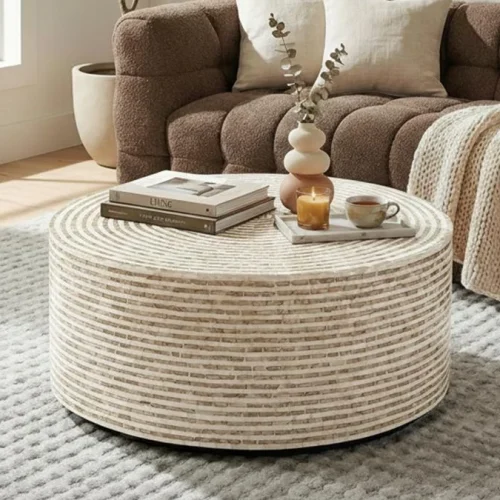
I once visited a home where the parents wanted an elegant great room, but their toddlers used it as their main play area. The designer chose a large sectional with deep seats, upholstered in a stain-resistant fabric. The coffee table was round, avoiding sharp corners, yet finished in wood with a matte texture that felt upscale. Guests could gather comfortably, and the kids could run around without worry. That’s the hallmark of transitional interiors—family-first without sacrificing style.
Making the Most of Natural Light and Coastal Views
Palific Palisades homes often boast stunning ocean or canyon views. A transitional designer knows how to emphasize these natural features without distraction. Instead of heavy drapes, they’ll use sheer panels that soften the light but still allow visibility. Neutral walls in soft beige, greige, or off-white create a backdrop that doesn’t compete with nature outside the window. It’s all about framing the beauty that’s already there.
A Story From a Cliffside Living Room
A couple living on a hillside had floor-to-ceiling glass doors facing the Pacific. Their old dark furniture weighed down the room. A designer suggested swapping to a lighter palette: cream sofas, a glass-topped coffee table, and a woven jute rug. The transformation made the entire space feel open, airy, and perfectly aligned with the coastal vibe. They said it was the first time they truly felt like their living room belonged to the Palisades.
The Power of Layered Textures and Materials
One of the secrets behind transitional interiors is texture. It’s what keeps neutral palettes from feeling bland. Designers often layer linen drapes, plush area rugs, wooden beams, and sleek metal accents. The result is depth and warmth without clutter. You might notice a leather armchair against a soft boucle ottoman, or a rustic wooden console topped with glass and brass lamps. This contrast creates richness that feels collected over time rather than bought in one afternoon.
Why Transitional Design Is Ideal for Growing Families
As families evolve, so do their homes. Transitional interiors adapt easily because they avoid extreme design choices. A sleek minimalist home might feel cold over time, while an ornate traditional home can feel dated. Transitional design, however, can pivot effortlessly with a few updates—changing throw pillows, swapping a rug, or adding new artwork. It’s flexible enough to grow with you, which is why so many Palisades homeowners find it the right choice.
Example of Longevity in Style
A friend renovated her home five years ago with a transitional approach. Today, she hasn’t felt the need for major updates because the design hasn’t gone out of style. All she’s done is replace a few accessories and repaint one accent wall. The core of the design still feels relevant, proving that transitional interiors hold their value both aesthetically and financially.
Budget-Friendly Without Looking Cheap
You might assume hiring a designer means overspending, but transitional design can actually be cost-effective. Because it blends high and low, you can invest in a few key statement pieces while balancing them with affordable accents. For example, a handcrafted dining table can anchor the room, while chairs from a more modest retailer round out the space. This strategy keeps costs down while ensuring the overall look feels elevated.
Building a Home That Reflects Your Story
Ultimately, the value of working with a transitional interior designer lies in personalization. Your home tells your story—where you’ve been, what you love, and how you live. Transitional design respects that narrative by weaving together old treasures, modern comforts, and timeless details. It’s not about creating a picture-perfect space for a magazine spread. It’s about creating a home that feels like you.
Why Palific Palisades Families Choose Transitional Design
In a community that values both elegance and ease, transitional interiors just make sense. They provide the balance between hosting dinner parties and lounging barefoot after a beach day. They bridge the gap between generations, keeping heirlooms alive while embracing fresh ideas. And above all, they offer longevity—design that stands the test of time without constant overhauls.
FAQs
Transitional design blends traditional warmth with modern simplicity, creating spaces that feel timeless, balanced, and comfortable.
It prioritizes livability and flexibility, making rooms stylish yet durable enough for kids, pets, and everyday use.
Designers integrate sentimental furniture with updated finishes, lighting, or modern accents so older pieces feel intentional, not dated.
Yes, it works especially well by using light palettes, natural textures, and clean lines that complement ocean views and natural light.
It sits comfortably in between, borrowing the best elements of both without leaning too heavily in either direction.
Soft neutrals like beige, greige, cream, and off-white dominate, often layered with subtle contrast through textures and materials.
Absolutely—performance fabrics, rounded furniture edges, and smart layouts keep spaces safe and practical without sacrificing style.
Yes, its timeless nature means it adapts easily over time with minor updates rather than full redesigns.
Not necessarily; the style encourages mixing investment pieces with affordable accents for a polished but cost-conscious result.
It allows personal stories, memories, and lifestyle needs to shape the space, creating a home that feels authentic rather than staged.