In today’s world, the importance of security is undeniable. As technology advances and the landscape of potential threats continues to evolve, ensuring the safety of critical infrastructures, businesses, and public spaces has never been more essential. Whether dealing with the growing risk of vehicular attacks, unauthorized access by individuals, or potential breaches from physical and cyber threats, security measures must adapt to provide robust protection.
The integration of high-tech solutions and reinforced barriers plays a key role in safeguarding these sensitive areas. Traditional forms of security are no longer enough to address the diverse range of modern threats. Today’s security systems incorporate intelligent access control, physical barriers, and surveillance technologies to form a multi-layered defense. In this blog, we’ll explore some of the top trends in security barriers, including innovations such as automatic gates, vehicle barriers, and perimeter fencing solutions, and how these technologies are shaping the future of site protection.
Reinforced Barriers for Enhanced Vehicular Security
One of the most pressing security concerns today is the potential for vehicles to be used as weapons or tools for breaching critical infrastructure. With vehicles capable of causing significant damage at high speeds, traditional barriers such as simple bollards or gates are no longer sufficient. This has led to the development of specialized solutions that can withstand the force of a vehicle attempting to force entry into a high-security zone.
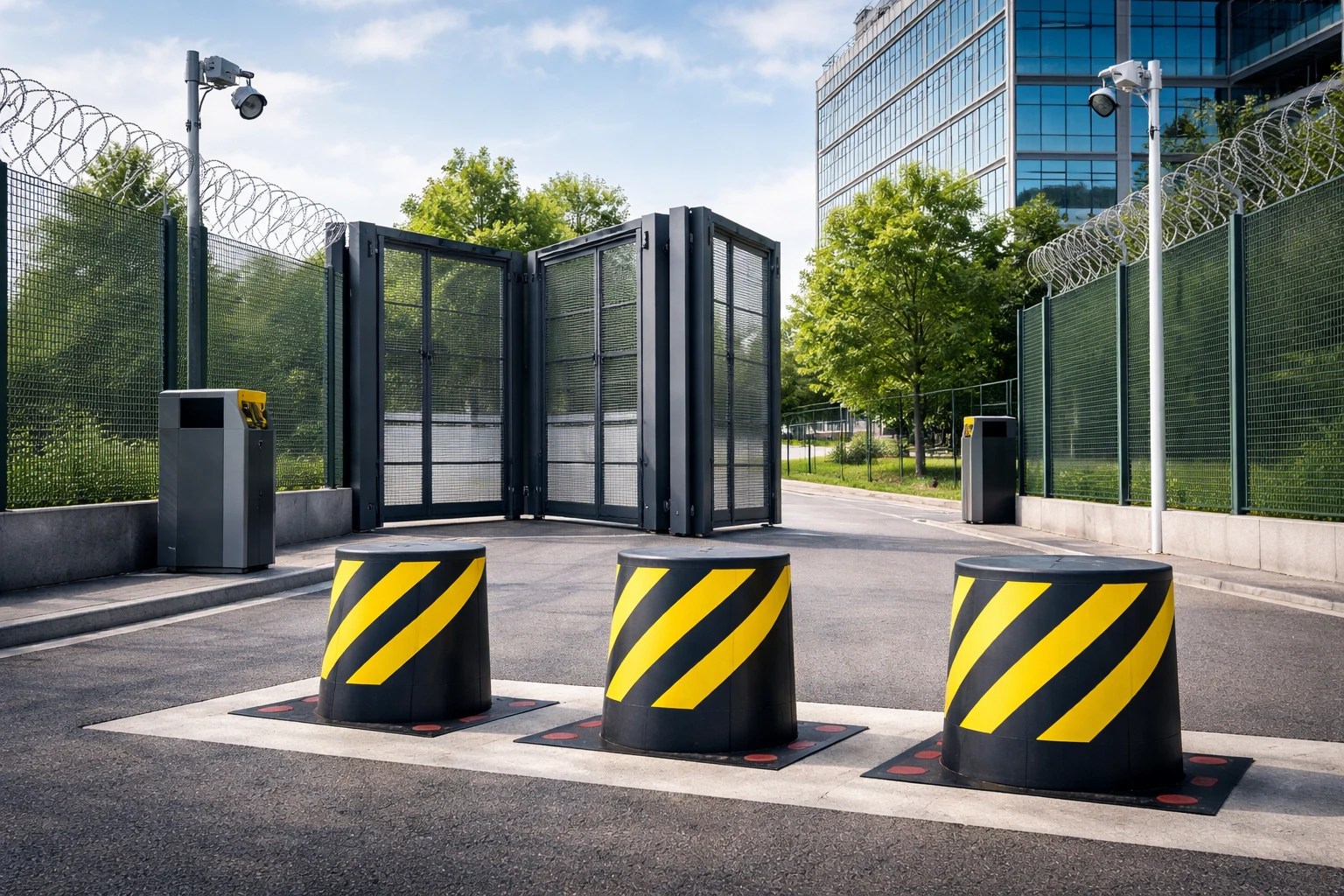
An anti ram vehicle barrier provides the essential protection needed to stop high-speed vehicles before they reach their target. These barriers are built to absorb the impact of a vehicle and prevent it from advancing further, effectively neutralizing the threat. Whether they are used at the entrance of a government building, a corporate facility, or a transportation hub, these barriers act as the first line of defense. They are carefully designed not only to be highly resistant to force but also to maintain a level of safety for authorized vehicles, allowing smooth and secure access while deterring unauthorized vehicles.
The integration of these barriers in high-risk areas ensures that unauthorized or hostile vehicles cannot penetrate the site, providing much-needed peace of mind to security personnel and stakeholders. By using these reinforced barriers, organizations can significantly reduce the risk of vehicular threats, securing critical entry points effectively.
Automated Entry Systems for Streamlined Access
In addition to vehicular security, the need for efficient and secure access to sensitive areas is paramount. Traditional manual gates can create delays and are often vulnerable to tampering or unauthorized access, especially in high-traffic environments. The demand for automated systems has given rise to solutions that ensure both security and efficiency.
One such solution is the bi folding speed gate, which allows for rapid and secure entry to high-security zones. These gates open and close quickly, facilitating the smooth flow of authorized individuals or vehicles while simultaneously preventing unauthorized access. The design of these gates is particularly beneficial for areas where space is limited, as they require less room to operate compared to traditional swing gates. Additionally, they can be integrated with smart access control systems that authenticate individuals or vehicles, ensuring that only those with proper clearance are allowed entry.
Not only do these gates enhance security by controlling entry, but they also improve operational efficiency by reducing wait times. Whether for vehicles entering a restricted area or employees accessing a secured building, these gates streamline operations without compromising safety. As security needs continue to evolve, automated entry systems like bi-folding speed gates will play a vital role in ensuring that sensitive areas remain protected while maintaining smooth access.
Securing Your Property with Advanced Fencing
The perimeter of any facility is the first physical barrier that protects the site from external threats. A well-designed perimeter fence is crucial in preventing unauthorized access, but the traditional fencing methods no longer offer the level of protection needed in modern high-security environments. As security threats become more advanced, so too must perimeter security measures.
Perimeter security fencing has evolved to incorporate advanced features such as reinforced materials and integrated security systems. These fences are now designed with strength and technology in mind, providing not only a physical barrier but also surveillance capabilities. Many modern perimeter fences are equipped with motion detectors, pressure sensors, and integrated camera systems that allow security personnel to monitor the fence in real-time. In the event of an attempted breach, these systems immediately alert the security team, enabling them to respond swiftly and prevent unauthorized access.
Additionally, perimeter security fencing can be designed to withstand attempts to climb, cut, or breach the structure. This makes them a formidable defense mechanism for preventing intruders from accessing restricted areas. Whether it’s a government facility, a military base, or a critical infrastructure site, these fencing plays a crucial role in keeping unauthorized individuals or vehicles at bay.
Integration in Modern Security Systems
As security technologies continue to evolve, the need to integrate various systems into a cohesive network has become increasingly important. Individual security measures, such as gates, barriers, and fences, are effective on their own but provide even more robust protection when combined into a unified strategy. The integration of these different components enables them to work together seamlessly, creating a more comprehensive security solution.
A prime example of this integration is the coordination between access control systems and physical barriers. By combining these elements, facilities can streamline the entry process for authorized individuals and vehicles, while ensuring that unauthorized or potentially dangerous access is prevented. By linking these systems with surveillance cameras and motion detectors, security teams can monitor all entry points in real-time, enhancing their ability to respond swiftly to potential threats. This integrated approach ensures that security personnel can act quickly and efficiently, preventing breaches before they escalate.
The integration doesn’t just stop at controlling entry; it extends to the overall management of the site. Through centralized control systems, security teams can monitor every aspect of the facility, making informed decisions and ensuring all systems are functioning optimally. As security threats continue to evolve, this interconnected approach will play a crucial role in maintaining effective protection and operational efficiency.
Emerging Trends in Security Barriers
As technology continues to advance, so too will the security systems used to protect high-risk areas. The next generation of security barriers will feature even more advanced systems, incorporating artificial intelligence (AI), machine learning, and smart materials to create even more resilient and adaptable solutions. These technologies will allow security systems to recognize potential threats and adjust their responses based on patterns of behavior, ensuring that threats are neutralized before they escalate.
One of the most exciting trends is the development of eco-friendly security solutions. With sustainability becoming a priority across industries, security providers are beginning to develop more environmentally responsible options. For example, energy-efficient barriers, solar-powered gates, and recyclable fencing materials are expected to gain popularity in the coming years. As organizations strive to reduce their environmental impact, these sustainable security solutions will become more common, without sacrificing the protection needed to secure sensitive areas.
As security challenges evolve, so too will the tools used to combat them. The future of security barriers will undoubtedly be shaped by emerging technologies that enhance their capabilities, improve their adaptability, and reduce their environmental impact. Staying ahead of these trends will ensure that sensitive areas remain secure for years to come.
To Sum Up
The security landscape has evolved significantly over the years, and today’s security barriers provide a higher level of protection than ever before. From vehicle protection systems that guard against high-speed threats to the efficiency of entry gates that improve access while maintaining security, these advancements are raising the bar for site protection.
By incorporating advanced security solutions, whether through reinforced fencing or integrated systems, high-risk areas are better protected against emerging threats. As security continues to develop, the integration of smart technologies and sustainable solutions will be essential in safeguarding sensitive areas. By adopting these trends and embracing cutting-edge technologies, organizations can ensure they are ready to face challenges and protect their people and assets for the long term.