
Moving to a smaller space can feel like standing at the foot of a mountain. You look around your home and realize just how much you have collected over the years. Old furniture, boxes of forgotten keepsakes, kitchen gadgets you swore you would use but never did. It all adds up.
For residents in Hollis, New Hampshire, the prospect of downsizing before a move is something many face, whether they are retiring, relocating for work, or simply choosing a lifestyle with less clutter and more freedom. The good news is that downsizing does not have to be overwhelming. With the right approach and a bit of planning, letting go of your belongings can actually feel refreshing.
Why Starting Early Makes the Whole Process Easier
One of the biggest mistakes people make when downsizing is waiting until the last minute. Packing up an entire household is stressful enough without the added pressure of deciding what stays and what goes. Starting the process several weeks, or even a couple of months, before your move date gives you time to sort through everything without rushing. Begin with the areas of your home that hold the least emotional weight. A bathroom closet or a hallway storage space is a great starting point. These spots are usually filled with expired products, duplicates, and items you forgot you owned. Once you build momentum with those easy wins, tackling bigger spaces like the bedroom or living room feels far less intimidating.
An early start also opens the door to smarter decisions about items you are not ready to release permanently. Maybe you have seasonal furniture, family heirlooms, or collections that simply will not fit in a smaller home but still hold real value to you. If you live in Hollis self storage units are an excellent option to keep those belongings safe while you settle into your new place. Having that breathing room lets you transition at your own pace and revisit those decisions with a clear head once the dust of moving day has settled.
Handling Sentimental Items with Care
Sentimental belongings are often the hardest to let go of. Old photographs, children’s artwork, inherited pieces of furniture, and gifts from loved ones carry emotional significance that makes them feel irreplaceable. And in many cases, they are irreplaceable. That does not mean, however, that you need to keep every single item in its physical form.
Consider digitizing photographs and important documents. Scanning old pictures preserves the memories without taking up physical space. For children’s artwork or school projects, taking high-quality photos and creating a digital album can be just as meaningful as storing boxes of paper. When it comes to inherited or gifted items, ask yourself whether you are keeping something because it genuinely brings you joy or simply out of guilt. It is okay to honor a memory without holding on to the object associated with it.
Room by Room: A Practical Breakdown
Taking a room-by-room approach keeps the process organized and ensures nothing gets overlooked.
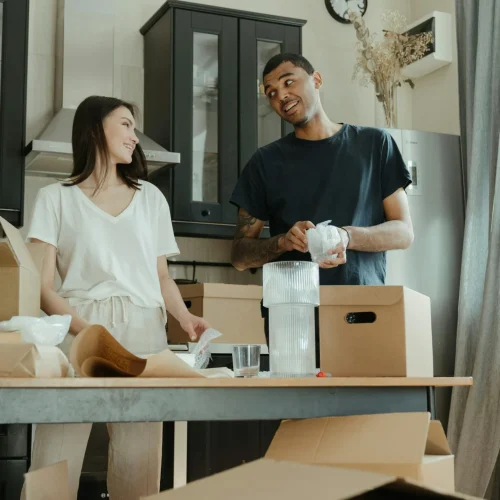
In the kitchen, start by pulling out everything from your cabinets and drawers. Group similar items together and ask yourself how many of each you truly need. Most households have far more cups, plates, and utensils than they actually use on a regular basis. Keep what you need for your new space and let the rest go.
The bedroom is often a mix of clothing, accessories, and personal items. Go through your wardrobe with a critical eye. If something does not fit, is damaged, or has not been worn in the past year, it is time to say goodbye. Seasonal items that you wear regularly but not right now can be packed separately and labeled clearly. Living areas tend to accumulate decorative items, books, and media. Be selective about what you display in your new home. A few meaningful pieces will have more impact than a room full of trinkets.
Getting the Most Out of What You Let Go
Downsizing does not have to mean throwing everything away. Many of the items you no longer need still have value. Hosting a yard sale is a classic way to turn unwanted belongings into extra cash. Online marketplaces also make it easy to sell furniture, electronics, and collectibles to people who are actively looking for them.
For items that are still in good condition but not worth selling individually, donating is a wonderful option. Charitable organizations, shelters, and community groups are often in need of household goods, clothing, and furniture.
Adjusting Your Mindset for a Smaller Space
Downsizing is not just a physical process. It requires a mental shift as well. Moving to a smaller home means rethinking how you use space and what role your possessions play in your daily life. Instead of viewing it as a loss, try to see it as an opportunity to simplify.
A smaller space encourages intentional living. Every item in your home earns its place because it serves a function or brings genuine happiness. There is a certain freedom that comes with owning less. Cleaning takes less time. Organizing becomes easier. And the things you do keep feel more meaningful because they were chosen deliberately. I can also help to visualize your new space before you move. If you have the floor plan, map out where your furniture will go. This exercise makes it clear which pieces will fit and which ones will not, removing the guesswork from your decisions.
Asking for Help When You Need It
There is no rule that says you have to downsize alone. Friends, family members, or even professional organizers can offer a fresh perspective and much-needed encouragement. Sometimes, an outside opinion is exactly what you need when you are on the fence about keeping or letting go of something.
If the physical labor of sorting, packing, and hauling is too much, do not hesitate to ask for assistance. Moving is physically demanding, and downsizing adds an extra layer of effort. Having a support system makes the experience less exhausting and, in many cases, more enjoyable.
FAQs
Start at least 4–8 weeks before your move to give yourself enough time to sort and make thoughtful decisions.
Begin with low-emotion areas like bathrooms, closets, or storage spaces to build momentum.
Keep items you use regularly or truly value, and let go of anything unused, damaged, or unnecessary.
Consider digitizing photos or keeping a few meaningful pieces instead of entire collections.
Yes, storage units can help temporarily hold items you are unsure about while you settle into your new space.
You can sell them through yard sales or online marketplaces to turn clutter into extra cash.
Donate them to charities, shelters, or community groups where they can still be useful.
Keep clothes you wear often and remove anything that no longer fits, is damaged, or hasn’t been used in a year.
Focus on the benefits of a simpler lifestyle and the freedom that comes with owning less.
Yes, getting help from friends, family, or professionals can make the process easier and less stressful.