Your roof protects your home from the elements, but even the strongest roofs wear down over time. Knowing when to call a professional can prevent small issues from turning into expensive repairs.
Visible Roof Damage
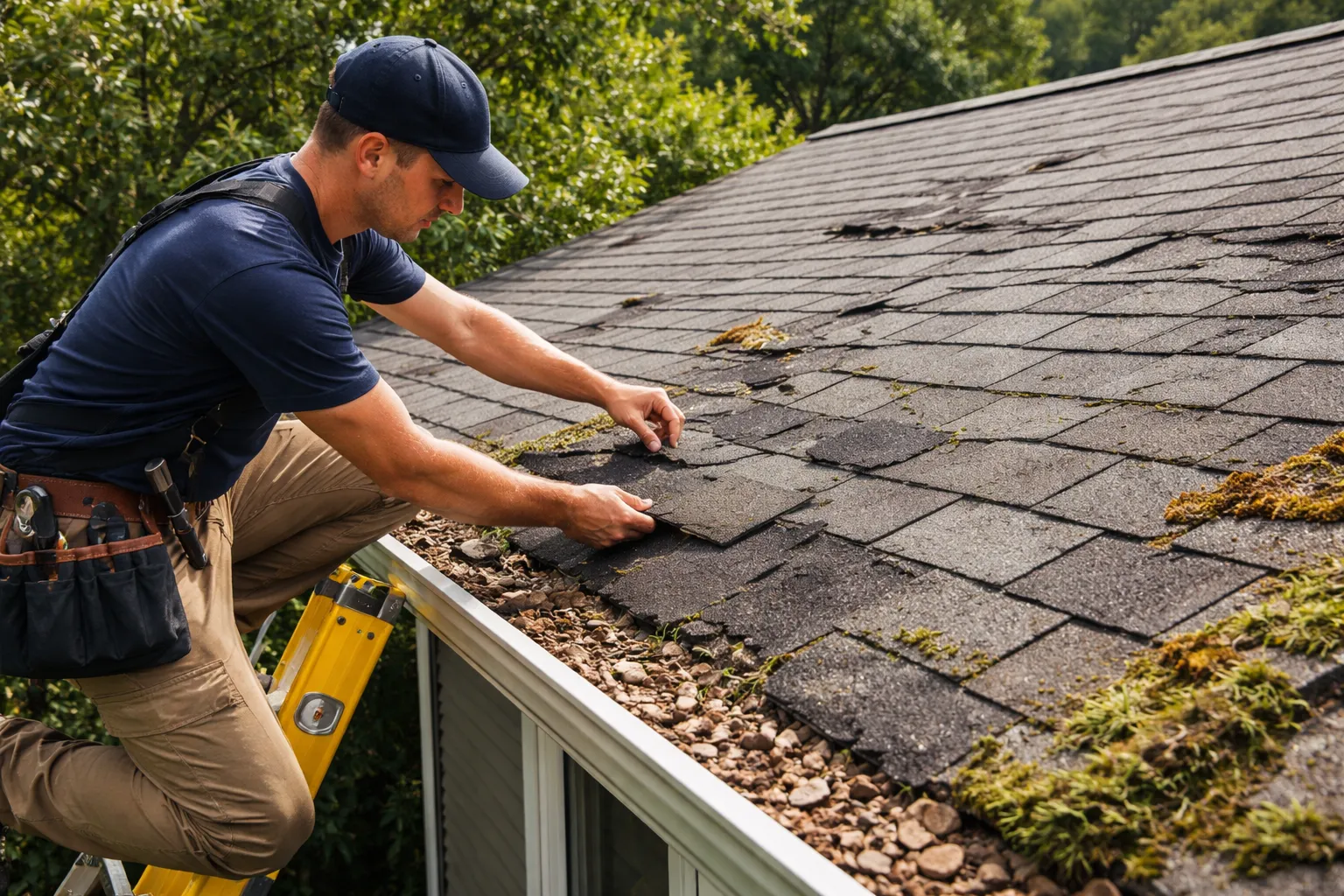
Visible roof damage can show up as missing shingles or cracks. You might find granules in your gutters, too. Moss and algae on the roof are signs of trouble. If you see these, it’s time to call a roofer tomorrow! Want to know more?
Missing or cracked shingles
Missing or cracked shingles can let water get into your home. Water leaks may cause mold growth, stained ceilings, and ruined insulation. Shingle damage often happens after a storm or from roof age.
A roof inspection from a Charlotte roofing company can spot these problems early. Ignoring missing shingles can lead to more roof damage and expensive repairs. A few broken shingles today can lead to a roof replacement tomorrow.
If you see shingle wear or notice shingles on the ground after bad weather, call for repairs right away. Quick action helps keep your home safe and keeps the structural integrity of your roof strong. For trusted and timely assistance Texas, consider contacting a professional for roof repair in Plano, ensuring your home stays protected no matter the season.
Granule accumulation in gutters
Granules protect shingles from the sun and weather. If you see a lot of loose granules in your gutters, your shingles may be wearing out. New roofs shed only a few granules, but old or damaged roofs lose more.
Large piles of granules in gutters mean your roof cannot provide enough protection anymore.
Granule loss can lead to faster roof damage and water leaks. Gutters filled with granules may also clog, causing other problems with gutter maintenance. Check for this sign during your next roof inspection and keep an eye out for moss or algae growth on your shingles.
Moss or algae growth on the roof
Moss or algae on shingles can soak up water and lead to roof damage. These plants trap moisture, which weakens the shingles and causes rot. Over time, this can lead to leaks inside your home or costly repairs.
Green patches often mean water is not draining properly from the roof surface. This problem grows faster in shady spots or after frequent rain.
Moss or algae growth also makes your roof look dirty and old. If you ignore these signs, roof maintenance may become more expensive later. A roofing contractor can inspect and clean the area before it turns into a bigger issue.
If you spot moss or dark stains on your shingles, you should check for other signs like interior leaks and water stains next.
Interior Leaks and Water Stains
Water stains on your ceiling can signal a roof leak. If you see these signs, it’s time to call a roofer right away.
Ceiling discoloration or damp spots
Ceiling stains or damp spots show that water leaks through your roof. Brown or yellow patches on ceilings often mean a shingle or flashing problem lets rain enter the home. These spots may grow larger after heavy storms.
Dampness can cause mold growth and bad odors inside rooms. Roof inspection after spotting these signs helps prevent more expensive repairs and keeps your home’s structure safe.
Ignoring ceiling discoloration puts your attic and insulation at risk for damage. Moisture weakens drywall, insulation, and wood supports over time. Calling a roofing contractor for quick repairs can save money and protect against future water leaks or mold issues.
Early action helps you keep your roof in good shape and protects the structural integrity of your house.
Sunlight visible through attic boards
If you encounter significant granule loss, it may indicate the need for a roof restoration to prevent further damage.
Sunlight coming through attic boards shows there are holes or gaps in your roof. This can let rain and pests inside your home. It usually means the roof needs repair or replacement.
Check for damage on the outside as well. Look for missing shingles or cracks that could cause leaks. Ignoring these signs may lead to bigger problems later, including expensive water damage.
Moisture damage in attic insulation
Moisture damage in attic insulation shows serious problems. Insulation should be dry and fluffy. If it feels damp or looks matted, it is time to act fast. This kind of moisture can come from roof leaks or rising humidity levels.
Wet insulation loses its ability to keep your home warm or cool. Sagging areas may indicate that water is trapped. Mold growth also poses health risks for your family. These issues could lead to higher energy bills and costly repairs if not addressed quickly.
Don’t ignore these signs; call a roofing contractor today for help with any water leaks and moisture issues in your attic insulation.
Sagging or Structural Issues
A sagging roof can mean big problems. You might need a professional to check the supports and fix any issues before they get worse.
Sagging rooflines or drooping areas
Sagging rooflines and drooping areas can signal serious problems. These signs often mean the structure of your roof is weak. Issues like water damage or wood rot may cause this. If you notice a dip in your roof, it’s time to act fast.
Compromised supports can worsen the problem. A sagging roof can lead to leaks and increased energy bills too. Fixing these issues early stops bigger, costly repairs later on. Contact a roofing contractor for an inspection when you see these signs.
Signs of compromised roof supports
Sagging rooflines can show that the supports are weak. Check for drooping areas or unusual angles. These signs mean that your roof may not stand strong much longer. Look closely at beams and trusses in your attic.
If they seem bowed or cracked, you might have a serious issue.
Increased energy bills can also signal trouble with your roof’s structure. Poor insulation lets air escape, raising heating and cooling costs. A roofing contractor will help assess the structural integrity of your roof to ensure safety and performance.
Next, watch for leaks and water stains inside your home; they can be another big red flag.
Increased energy bills due to poor insulation
Poor insulation can lead to high energy bills. Heat escapes easily from your home if the roof is not well insulated. This makes heating or cooling less effective. You may notice drafts inside the house, making it feel uncomfortable.
An uninsulated roof does more than raise costs. It can also cause damage over time. Moisture buildup leads to mold growth and weakened shingles. Call a roofing contractor for an inspection as soon as you see these signs.
Good insulation keeps your home cozy and helps save money on energy bills.
Conclusion
Your roof is important for your home. If you see any signs of damage, don’t wait. Call a roofer tomorrow. Look for missing shingles, leaks inside, or sagging areas on the roof. Taking action now can save you money and stress later!
FAQs
If you notice missing shingles, leaks, sagging areas, or daylight in the attic, the damage is likely serious and needs professional attention.
Yes, missing shingles expose your roof to water damage and can quickly lead to leaks, mold, and structural issues.
Granules protect shingles, so large amounts in gutters usually indicate your roof is aging or wearing out faster than normal.
No, moss and algae trap moisture, which can weaken shingles and cause rot or leaks over time.
Ceiling stains are usually caused by roof leaks from damaged shingles, flashing problems, or worn roofing materials.
Sunlight means there are holes or gaps in the roof, allowing water, pests, and cold air to enter your home.
Wet, matted, or sagging insulation often points to ongoing roof leaks or trapped moisture that needs immediate repair.
A sagging roofline often signals structural damage, wood rot, or weakened supports that require urgent professional inspection.
Yes, poor insulation and roof gaps allow heat and cool air to escape, making your HVAC system work harder and cost more.
If you see visible damage, interior leaks, or structural changes, calling a roofer immediately can prevent costly repairs later.