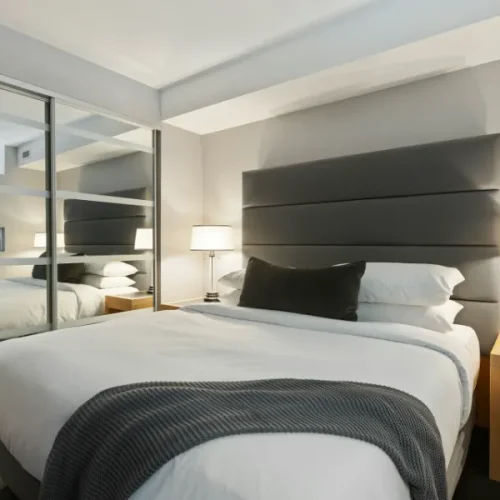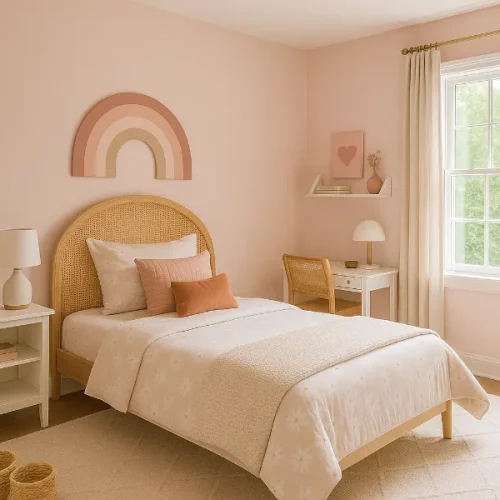
Modern interior design is often reduced to a visual style, clean lines, neutral colors, and minimal decoration. In practice, modern design is far more intentional. It is a way of thinking about space, comfort, and how people actually live inside their homes. The most successful modern interiors are not empty or cold. They are calm, functional, and quietly expressive.
As homeowners move away from trend driven decorating and toward more timeless environments, modern design has shifted from aesthetic rules to thoughtful decision making. Every element serves a purpose, and the overall space feels cohesive rather than decorated.
Modern Design Starts With Purpose
At its core, modern design is about intention. Instead of filling rooms with objects simply because they are popular, modern interiors ask a different question first. Does this piece improve how the space feels or functions?
This mindset changes how rooms come together. Rather than layering décor endlessly, modern spaces rely on fewer elements chosen with care. Furniture, lighting, and accessories are selected because they contribute to balance, movement, or comfort.
This approach often results in spaces that feel calmer. Visual clutter is reduced, circulation improves, and the room becomes easier to use. The absence of excess does not remove personality. It allows personality to come through more clearly.
Materials Create Emotion in Modern Spaces
Because modern interiors often use restrained color palettes, materials play an outsized role in shaping the atmosphere. Texture, finish, and weight become tools for adding warmth and depth, reflecting 2026 interior design trends are shaping how people live in modern homes.
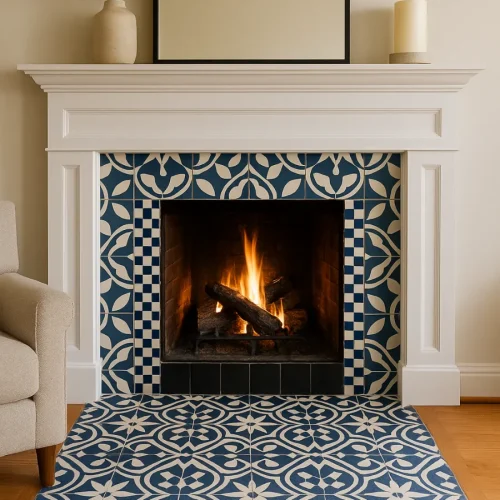
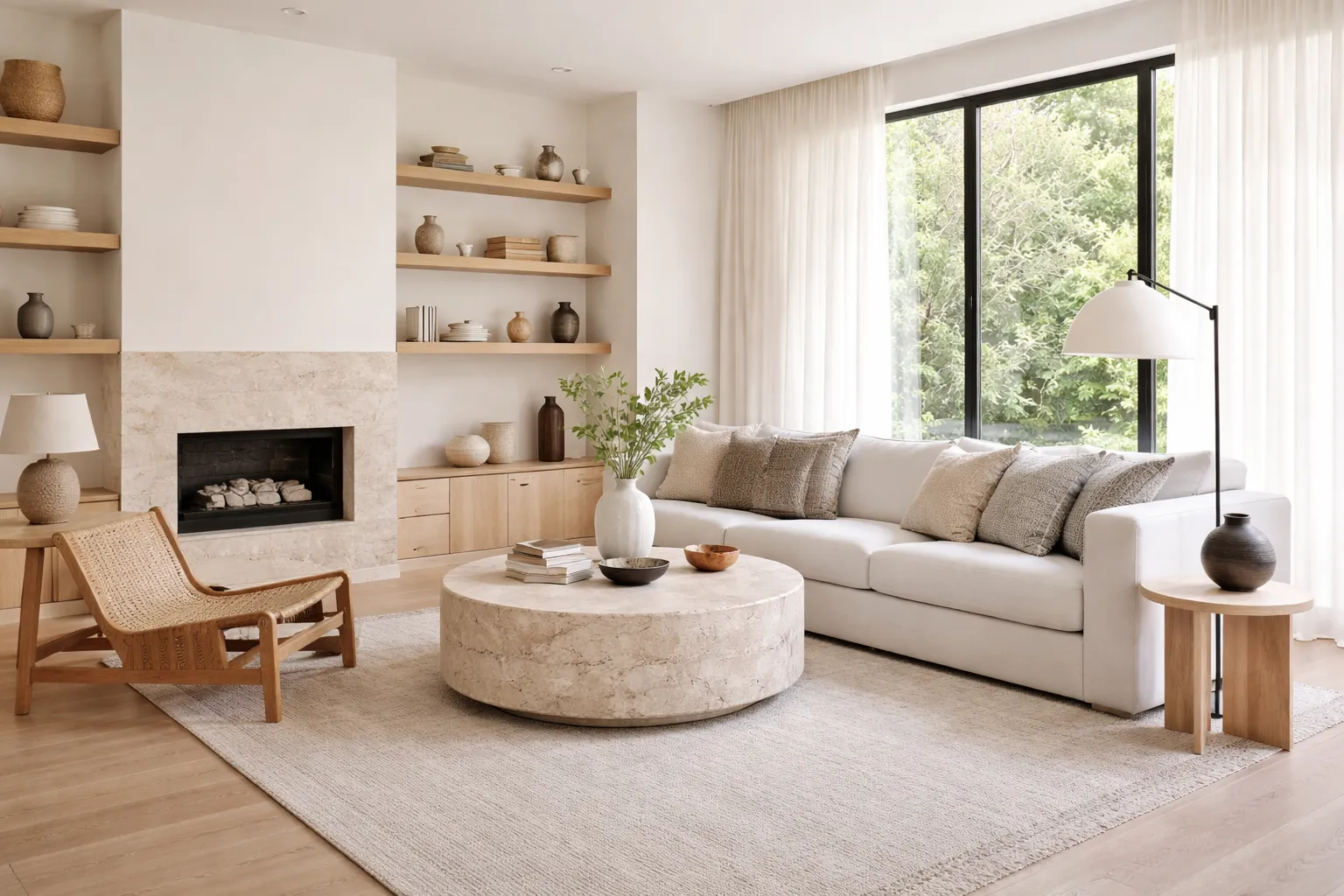
Common material choices in modern homes include natural stone, matte metals, soft woods, ceramics, and resin based forms. These materials bring subtle variation without overwhelming the space. A smooth surface next to something textured creates contrast that feels intentional rather than busy.
Material honesty is also important. Modern design favors finishes that look and feel authentic. Instead of high gloss or artificial shine, matte and natural surfaces are preferred because they age better and feel more grounded.
Many contemporary design brands focus heavily on this balance. Their pieces tend to combine sculptural form with approachable materials, allowing modern interiors to feel architectural without becoming uninviting.
Lighting Defines the Experience of a Room
Lighting is one of the most powerful tools in modern design, yet it is often treated as an afterthought. In well designed modern spaces, lighting is planned early rather than added at the end.
Modern lighting serves several roles at once. It provides function, shapes mood, and often acts as a visual focal point. Rather than relying solely on overhead fixtures, modern interiors use layered lighting to create depth.
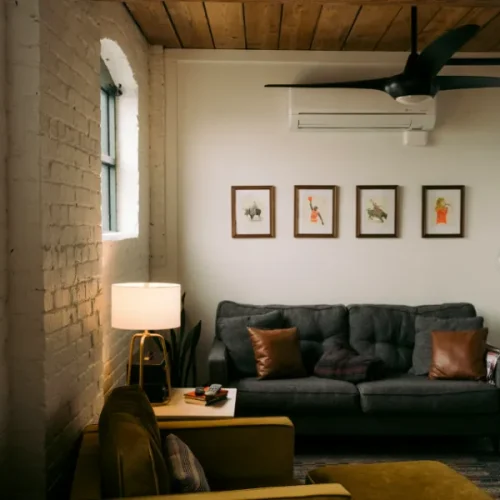
This includes table lamps, floor lamps, wall mounted fixtures, and indirect light sources. These layers allow homeowners to adjust the atmosphere throughout the day. Soft, diffused lighting tends to work better than harsh brightness, especially in living and sleeping areas.
When lighting is treated as a design feature instead of a utility, rooms feel complete even with fewer furnishings. A single well placed light can anchor an entire space.
Furniture That Supports Flow and Proportion
Furniture in modern interiors is designed to support the space, not dominate it. Proportion and scale matter more than ornamentation.
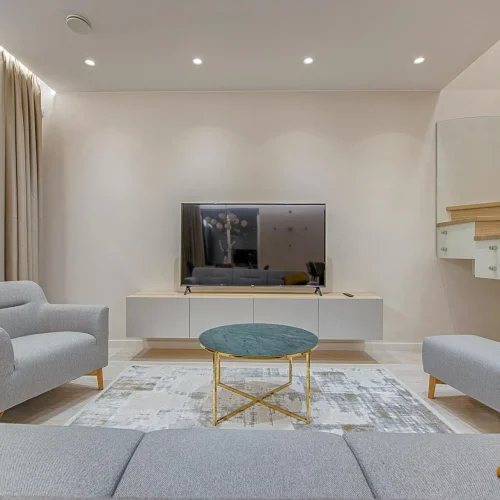
Low profile silhouettes help maintain open sightlines, making rooms feel larger and more cohesive. Pieces like modern coffee tables with sculptural forms reinforce this balance by anchoring a space without overpowering it.
Rounded edges and softened forms are often used to balance the sharper architectural lines found in modern spaces. This combination prevents interiors from feeling rigid or severe.
Another key principle is visual lightness. Even substantial pieces are designed to appear balanced and grounded rather than heavy. Open bases, floating forms, and thoughtful spacing all contribute to this effect.
Well chosen modern furniture tends to fade into the experience of the room in the best possible way. It feels natural to use and easy to live with, even if its design is quietly distinctive.
Restraint as a Form of Modern Luxury
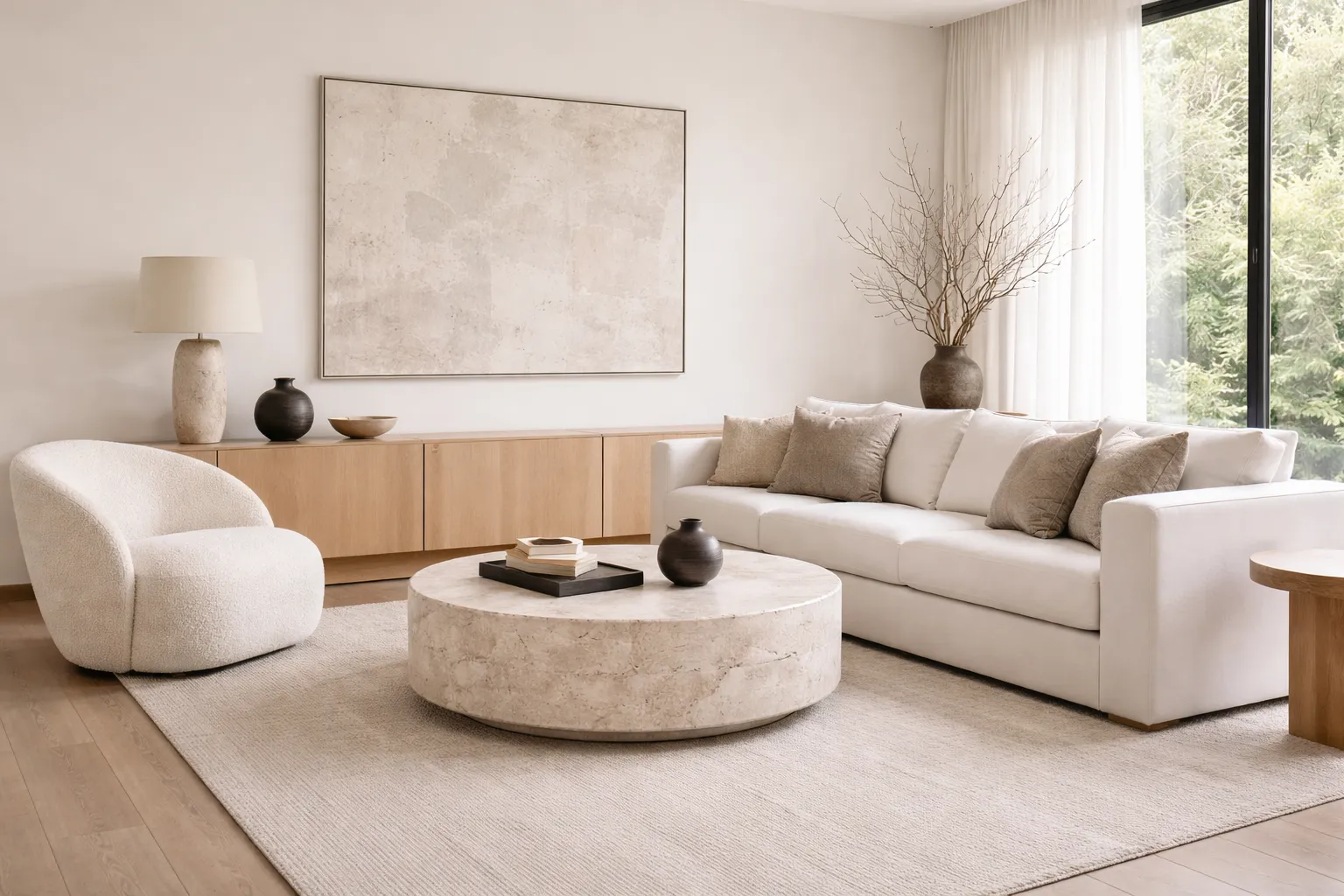
In a culture saturated with visual noise, restraint has become a form of luxury. Modern interiors reflect this shift by prioritizing clarity and longevity over constant novelty.
A restrained space does not feel unfinished. It feels resolved. Each element has room to exist without competing for attention. This makes rooms easier to maintain and more adaptable over time.
Rather than redesigning entire spaces as trends change, modern homes evolve through small updates. A new light fixture, a sculptural object, or a change in texture can refresh a room without disrupting its foundation.
This adaptability is one of the reasons modern design continues to resonate. It supports long term living rather than short term visual impact.
The Role of Accent Pieces in Modern Design
Accent pieces play a different role in modern interiors than they do in traditional or maximalist spaces. Instead of filling gaps, they create emphasis.
Effective accent pieces often introduce organic shapes into structured environments. They may contrast with surrounding materials or echo architectural lines in unexpected ways. When chosen thoughtfully, a single accent can define the character of a room.
Sculptural décor, abstract forms, and statement lighting are commonly used to add personality without clutter. These pieces act as visual anchors, drawing the eye while allowing the rest of the space to remain calm.
Brands that approach accent design with intention, such as Modern Home & Kitchen, tend to focus on objects that feel architectural rather than purely decorative. This allows accent pieces to integrate naturally into modern spaces instead of feeling like add ons.
Modern Design Is a Mindset, Not a Formula
Perhaps the most important thing to understand about modern design is that it is not a rigid formula. It is a mindset centered on purpose, quality, and how a space supports daily life.
Modern interiors are successful when they feel personal without becoming chaotic. They allow room for expression while maintaining clarity. Over time, these spaces tend to age gracefully because they are built on thoughtful choices rather than fleeting trends.
By focusing on fewer, better elements and prioritizing how a room feels rather than how it photographs, modern design creates environments that people genuinely enjoy living in. That balance between beauty and usability is what makes modern interiors enduring rather than temporary.
FAQs
Modern interior design focuses on intentional choices that balance function, comfort, and calm rather than following rigid visual trends.
Purpose ensures that every element improves how a space functions or feels, reducing clutter and creating a more livable environment.
When done well, modern design feels warm and inviting because it relies on balance, texture, and thoughtful use of materials.
Materials add depth and emotion through texture and authenticity, often replacing bold colors with subtle contrast.
Lighting shapes mood, supports daily activities, and can anchor a room visually without adding excess furnishings.
Low-profile, well-proportioned furniture that supports flow and openness works best in modern spaces.
Restraint allows each element to stand on its own, creating clarity, longevity, and a sense of quiet luxury.
Accent pieces add emphasis and personality without clutter, often acting as visual anchors in the space.
Yes, modern spaces are designed to evolve gradually through small updates rather than complete redesigns.
No, modern design is a mindset focused on quality, purpose, and livability rather than a fixed formula.