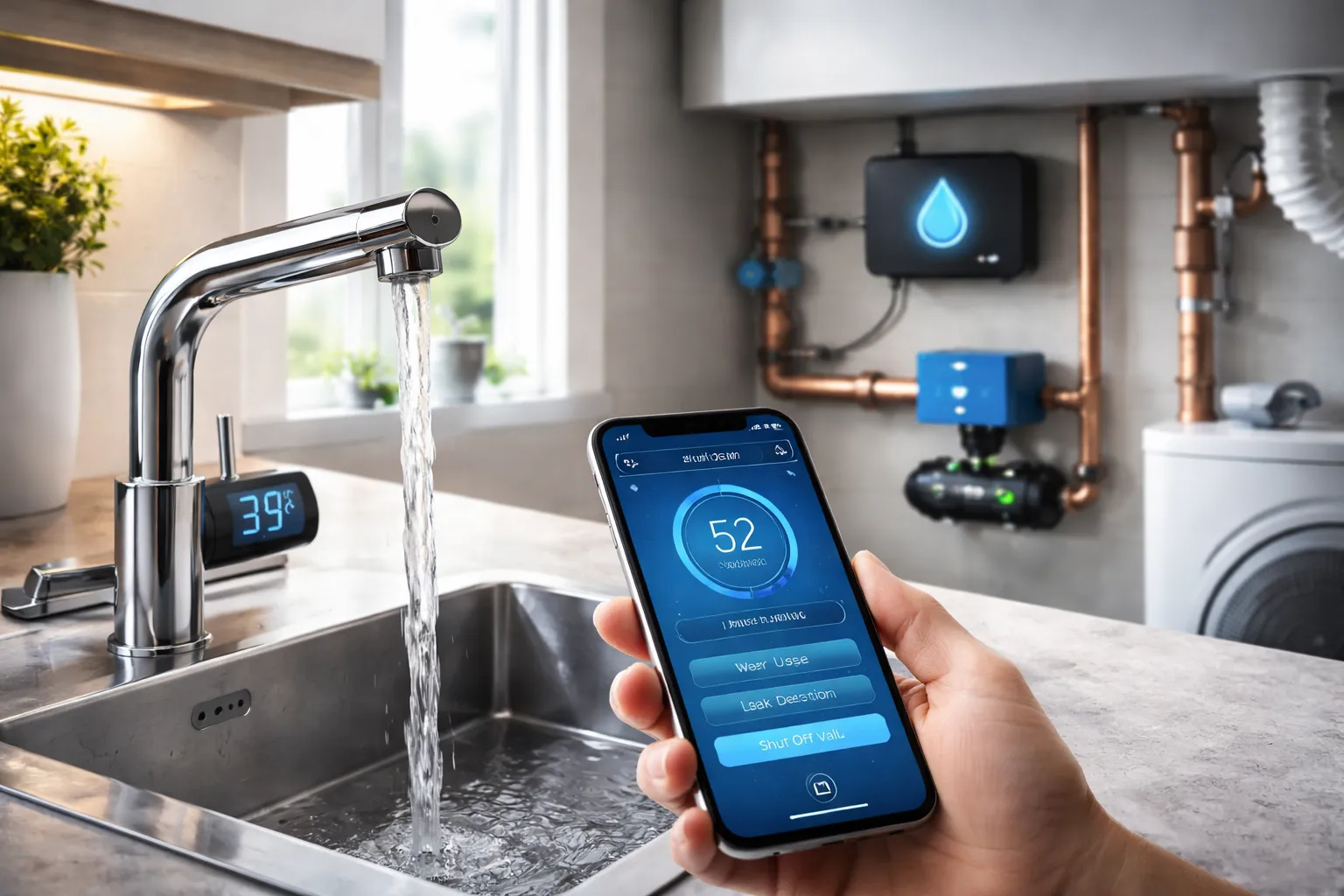
Smart water features are becoming an increasingly popular upgrade for homeowners, whether they want greater control over their water use or are interested in boosting the market value of their properties. However, in existing homes, installing smart water solutions is seldom a straightforward matter of swapping old fixtures for new ones. Many projects require extensive retrofits, as even the most advanced technology can underperform if it is installed on top of an outdated or unsuitable plumbing system. Fortunately, you can avoid unnecessary costs and frustrations if you work with experienced plumbers Dunedin residents rely on to perform the upgrades.
Regardless of who you’re hiring to install your systems, it’s best to do a realistic overview of your existing plumbing before moving forward. Here are some of the most important things to check before upgrading to smart water features in your home.
1. The Condition of Your Existing Plumbing
If your home has ageing plumbing, corrosion, or recurring leaks, these issues should be addressed first, as these can severely impact the reliability of any new system. Installing smart fixtures on top of a compromised system may result in inaccurate readings, overly frequent alerts, or even damage to expensive new components.
In older homes in particular, galvanised iron or worn-out pipework may struggle with modern pressure demands. A professional inspection can help determine whether repairs or partial upgrades are needed before introducing your desired smart technologies.
2. Water Pressure and Flow Consistency
Many smart systems are designed to operate within specific pressure ranges. However, older or worn-out house plumbing may not be able to maintain these pressures, at least not consistently or safely. If you do install the smart devices, sensor accuracy and function could be negatively affected.
Fortunately, total overhauls are not always necessary. A qualified plumber can check your home’s water pressure ahead of time and recommend adjustments or installations of necessary regulators, if needed. This step is especially important if you plan to use automated shutoff valves or flow-based leak detection, as these features depend on stable baseline readings.
3. Compatibility with Your Water Heating System
Most Dunedin homes today feature an electric, gas, or pump-based hot water system. Some smart mixers and temperature-controlled taps require consistent hot water delivery to function correctly, and older or underpowered heaters may struggle to keep up. If your hot water system is already showing signs of inefficiency or temperature fluctuation, upgrading it before installing smart fixtures can be a practical choice.
4. Internet Connectivity and Power Supply
Unlike traditional plumbing fixtures, smart water devices require data connectivity to work as designed. Whether you go for leak detectors, monitoring hubs, or app-based controls, they will all require a stable internet connection and, in many cases, a stable power source. This means poor Wi-Fi coverage or limited access to power points can severely restrict your installation options and expected functionality.
So, before committing to an upgrade, consider whether your home’s layout already supports these requirements. In many cases, minor electrical work or signal boosters are all that’s needed to ensure uninterrupted operation. Considering these practical details helps avoid awkward installations or underused features and also helps lay the groundwork for other smart system integrations in your home.
5. Local Regulations and Compliance Requirements
Smart water systems may involve modifications to valves, meters, or drainage connections, all of which must comply with your local plumbing regulations. In particular, certain installations, such as backflow-related devices, may require certification or inspection to meet council standards. Professional guidance can help navigate these requirements without guesswork and guarantee better functionality right at the outset.
6. Long-Term Maintenance and Support
While smart water features are designed to reduce manual oversight, they themselves also require periodic checks, updates, and maintenance. For instance, sensors may need to be recalibrated, batteries replaced, and software updated to remain effective. Staying on top of these ongoing responsibilities is key to maximising value from your new system.
Most critically, you must consider the availability of local support if issues arise. Systems that can be serviced by qualified, locally based professionals help ensure that minor faults do not become prolonged disruptions.
Making Smart Water Upgrades Work for Your Home
Smart water systems tout benefits such as early leak detection and clear insights into household water use. These can be achieved, but the success of most smart system installations largely depends on careful preparation and a clear understanding of how these technologies integrate with your existing plumbing. Addressing the underlying issues described upfront makes the transition far smoother and far less expensive for homeowners.
Whether you’re on the fence about these systems or have decided to give them a go, speaking with qualified local plumbers is a sensible next step. Explore professional plumbing services in the area to ensure your next upgrade is built on a solid foundation.
FAQs
Not always, but ageing, corroded, or leaking pipes should be repaired first to prevent inaccurate readings or system failures.
Yes, but older homes may need plumbing upgrades or pressure adjustments to ensure smart systems function correctly.
Many smart devices rely on consistent pressure to detect leaks and manage flow accurately, so unstable pressure can cause errors.
They can, but inefficient or fluctuating hot water systems may limit the performance of smart mixers and temperature controls.
Most smart water features rely on a stable internet connection for monitoring, alerts, and app-based controls.
Signal boosters or minor electrical upgrades can usually resolve connectivity issues without major renovation work.
Yes, certain installations must meet local compliance standards and may require certification or inspection.
They need occasional software updates, battery replacements, and sensor checks to stay accurate and reliable.
Yes, early leak detection and usage monitoring can significantly reduce water loss and unexpected damage.
Absolutely—professional installation ensures compatibility, compliance, and long-term performance of the system.