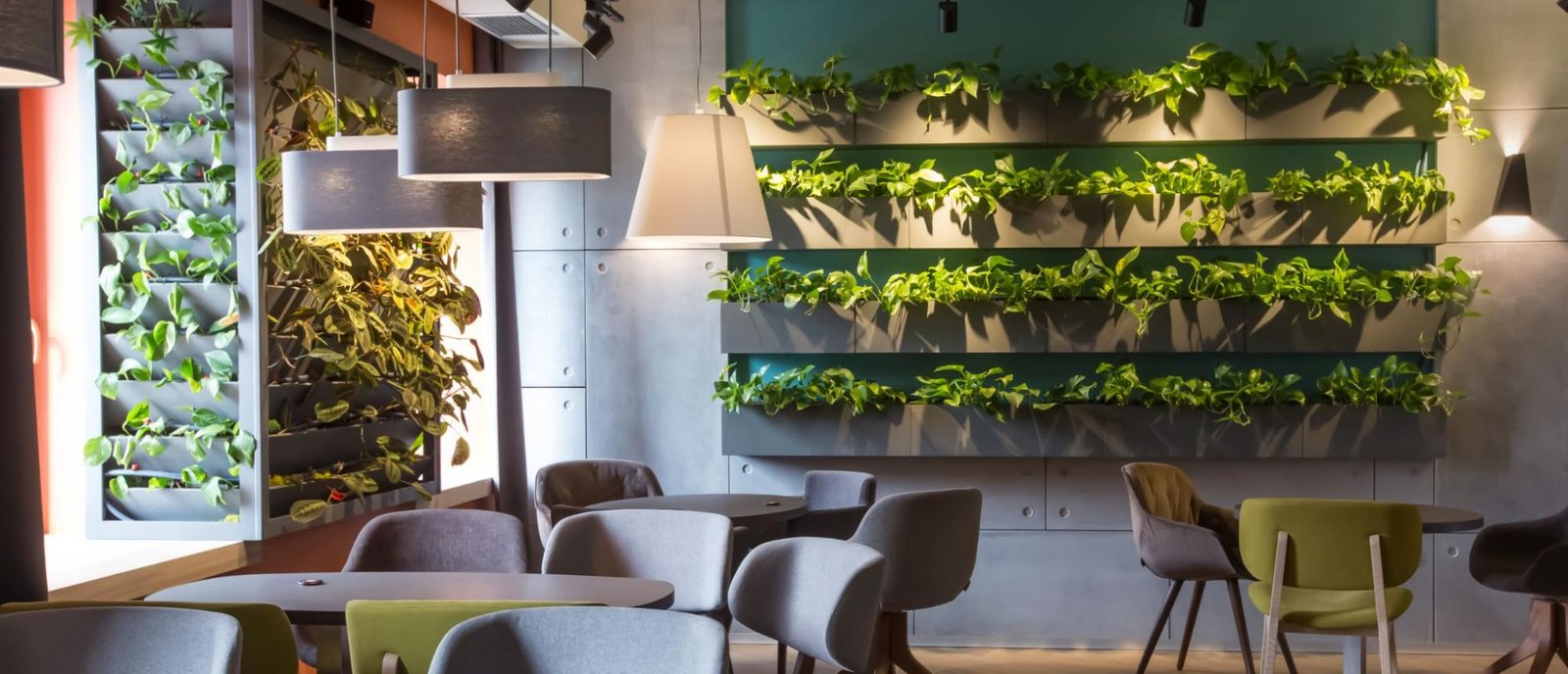
Do you dream of a lush, green oasis but feel constrained by a small apartment or a lack of floor space? You don’t need a sprawling backyard or a large sunroom to satisfy your gardening itch. The solution is to simply look up. Indoor vertical gardens are the perfect way to maximize your space, transforming a blank wall into a living tapestry.
These “living walls” offer a host of benefits that go far beyond decoration. They can purify your air, boost your mood by bringing a slice of nature indoors, and even provide fresh vegetables or herbs. This guide will walk you through everything you need to know to create your own thriving indoor vertical garden. Let’s get started!
Step 1: Find the Ideal Spot
Before you buy a single plant or build any structure, you need to become a detective in your own home. The ultimate success of your vertical garden hinges on one critical factor: light. Different plants have different needs, so you must choose a location that matches the plants you want to grow.
South-facing windows receive the strongest light, making them ideal for sun-loving plants like succulents, rosemary, and thyme. East- and west-facing walls provide moderate, indirect light, which suits a wide range of plants, including herbs, leafy greens, and ferns. North-facing walls and darker areas have low light, so they are best for shade-tolerant plants such as snake plants, peace lilies, and pothos.
If your chosen spot has limited natural light, you can either choose plants that naturally tolerate shade or use full-spectrum LED vertical grow lights. These lights can provide the consistent illumination plants need when natural light is not enough, allowing you to create a healthy vertical garden almost anywhere in your home.
Step 2: Choose the Right System
Once you have nailed down the perfect location, it is time to decide how you want to build your garden. From ultra-simple DIY projects to more advanced automated systems, there is a perfect option for every skill level and budget.
For a DIY System
If you enjoy crafting and repurposing, a rustic pallet garden might be for you. You can find an old wooden pallet, staple landscaping fabric to the back and bottom of each slat to create planting pockets, then fill them with soil and your chosen plants before leaning the whole structure against a wall for a rustic, farmhouse-chic look.
For a sleek, modern look, you might consider a gutter garden. You can mount sections of vinyl rain gutter horizontally on a wall, drill drainage holes in the bottom, fill them with a lightweight potting mix, and plant shallow-rooted plants like lettuce, spinach, and chives.
For an Advanced Setup
If you prefer a cleaner, store-bought look, modular pocket panels are an excellent choice. These are fabric or plastic panels with pre-made pockets that you can buy online or at garden centers, and they are lightweight, easy to install, and look very sleek on the wall. A simple, freestanding shelving unit also offers maximum flexibility, as you can easily arrange and rearrange pots of various sizes.
Step 3: Pick the Perfect Plants
The key to a successful and harmonious vertical garden is selecting plants that share similar needs for light and water. For a culinary garden, herbs like basil, mint, chives, oregano, and parsley are fantastic choices because they thrive indoors and are always within reach for cooking.
For a purely decorative, low-maintenance display, you have even more options. Trailing plants like pothos, philodendron, and string of hearts look stunning as their vines cascade down the wall. Air-purifying plants such as snake plants, peace lilies, and spider plants are also hardy and forgiving.
Step 4: Watering and Maintenance
Water using the soak-and-dry method. Water thoroughly until it drains from the bottom, then allow the soil to dry slightly before watering again. Check moisture by inserting your finger about an inch into the soil; if it feels dry, it is time to water. For larger vertical gardens, a long-spouted watering can helps reach higher plants, and a drip tray at the bottom will catch excess water.
Prune plants to encourage fuller growth. Ensure good air circulation to prevent fungal issues, especially since plants are often placed close together. Because small containers dry out quickly and lose nutrients faster, feed your plants with a diluted liquid fertilizer every four to six weeks during the growing season.
Final Thought
Creating an indoor vertical garden is a rewarding project that brings life, beauty, and freshness into your home. It is a journey of creativity and connection with nature, no matter how small your space may be. So, gather your materials, pick your plants, and start building your own living masterpiece today.
FAQs
An indoor vertical garden is a system where plants are grown upward on walls or structures, maximizing space while creating a living display.
They improve air quality, enhance mood, save space, and can provide fresh herbs or vegetables right inside your home.
Pick a spot based on available light, as different plants require varying levels of sunlight to thrive.
Yes, you can use full-spectrum LED grow lights to provide the necessary light for plant growth.
Popular DIY options include pallet gardens and gutter systems, both of which are affordable and customizable.
Low-maintenance plants like pothos, snake plants, and peace lilies are ideal for beginners.
Yes, herbs like basil, mint, parsley, and chives grow well indoors and are perfect for vertical setups.
Water when the top inch of soil feels dry, ensuring excess water drains properly to avoid overwatering.
They require regular watering, occasional pruning, and fertilizing every 4–6 weeks, but overall maintenance is manageable.
Ignoring light requirements is the most common mistake, as it can lead to poor plant growth or failure.