Most homeowners expect roof problems to announce themselves clearly — a drip through the ceiling, a visible hole, or water pooling on the floor. In reality, roof failure rarely starts that way. It develops quietly, often over years, long before any obvious leak appears inside the home.
By the time water becomes visible indoors, the damage is usually well advanced. Understanding the early warning signs of roof failure — and why delaying action can be so costly — can make the difference between a simple repair and a major structural expense.
Roof Failure Is a Process, Not an Event
Roofs don’t typically fail overnight. Instead, they deteriorate gradually as small weaknesses compound over time. Fixings loosen, sealants degrade, materials shift, and moisture finds paths it shouldn’t.
This slow decline is why many roofing issues are missed. Homeowners often assume that if there’s no leak, everything must be fine. Unfortunately, that assumption is one of the most expensive mistakes people make.
Why Roof Problems Stay Invisible for So Long
Roof systems are layered and complex. Damage often begins beneath the surface, out of sight, where it can progress without obvious symptoms. Minor defects don’t immediately impact daily life, and weather cycles gradually worsen existing weaknesses rather than causing instant failure.
This process is best described as silent degradation — deterioration that continues unnoticed until it reaches a tipping point. By the time that point is reached, repairs are rarely minor.
The Early Warning Signs Most Homeowners Miss
Subtle Changes in the Roofline
Slight sagging, uneven ridgelines, or warping that’s only noticeable from certain angles are often early indicators of structural movement. These changes may seem insignificant, but they can signal underlying issues with framing, fixings, or moisture intrusion.
Structural movement almost always appears before leaks do.
Hairline Cracks and Surface Fractures
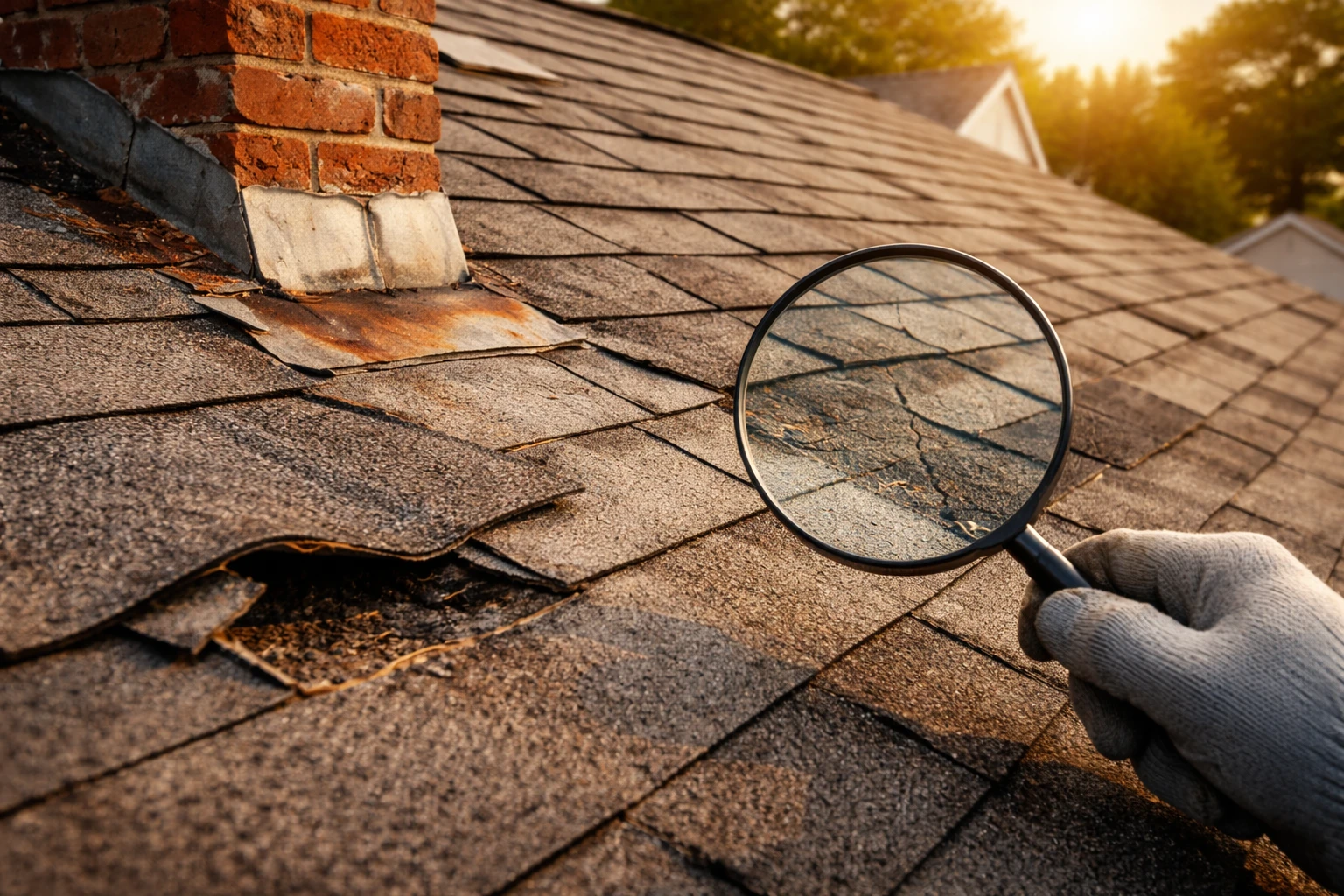
Small cracks in tiles, micro-splits in metal sheeting, or fractured mortar and bedding are easy to dismiss. However, these tiny openings often become entry points for moisture as materials expand and contract with temperature changes.
Small cracks rarely stay small for long.
Loose or Lifting Flashing
Flashing around chimneys, vents, skylights, and roof junctions plays a critical role in directing water away from vulnerable areas. When flashing loosens or lifts — even slightly — water can bypass roofing materials entirely.
Because flashing issues don’t always cause immediate leaks, they’re frequently overlooked until serious damage has already occurred.
Rust Spots or Coating Breakdown
On metal roofs, rust or deteriorating coatings are often mistaken for cosmetic wear. In reality, these issues usually indicate moisture penetration and material fatigue rather than simple ageing.
Once protective coatings fail, corrosion accelerates quickly.
Changes Inside the Home That Don’t Look Like Leaks
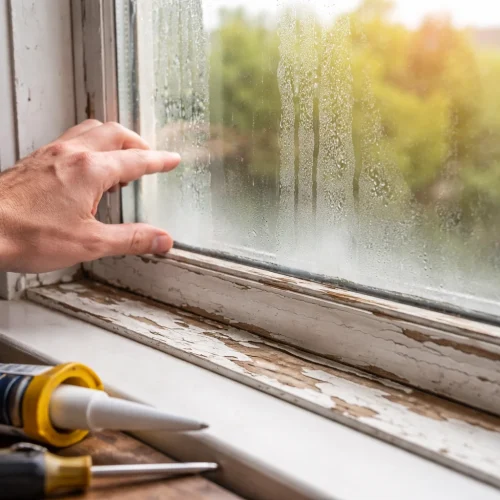
Not all moisture problems present as dripping water. Musty odours, bubbling paint, peeling plaster, or unexplained increases in humidity can all signal moisture buildup within the roof structure.
These signs often appear months — or even years — before visible water damage.
Why Waiting It Out Gets So Expensive
One of the biggest misconceptions about roofing is that delaying action saves money. In practice, roof damage compounds over time.
A minor issue can escalate rapidly:
Small moisture ingress leads to timber rot
Rot weakens structural components
Structural compromise requires major repairs or full replacement
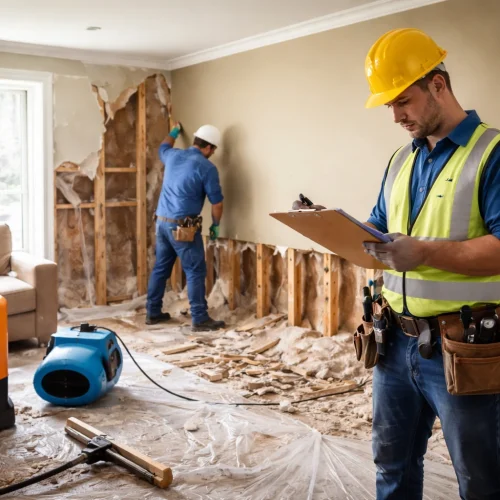
What could have been resolved with a straightforward repair often turns into extensive work involving insulation, ceilings, framing, and internal finishes.
Roof damage doesn’t pause — it multiplies.
Storms Don’t Always Cause Damage — They Expose It
After severe weather, homeowners often assume the storm caused the problem. In many cases, the storm simply exposed weaknesses that were already there.
Healthy roofs are designed to withstand harsh conditions. When damage appears after a storm, it’s often because fixings were already loose, sealants had already failed, or materials were already fatigued.
Understanding this distinction helps homeowners focus on prevention rather than blame.
Cosmetic Wear vs Structural Failure
Not all signs of wear indicate serious problems. Fading, surface discolouration, or minor aesthetic changes don’t always affect a roof’s performance.
However, structural issues — such as movement, moisture ingress, and compromised fixings — demand attention regardless of how the roof looks.
A roof can look worn and still be sound, or appear perfectly fine while quietly failing beneath the surface.
When Repairs Are Smart — And When They’re Not
Targeted repairs are often the most practical solution when issues are caught early. Replacing damaged flashing, re-securing fixings, or addressing isolated areas of wear can significantly extend a roof’s lifespan.
However, when a roof shows widespread fatigue across materials and structural components, repeated patch repairs often cost more over time than a properly planned replacement. Knowing the difference requires experience and an honest assessment — not guesswork.
Why Professional Inspections Catch What Homeowners Can’t
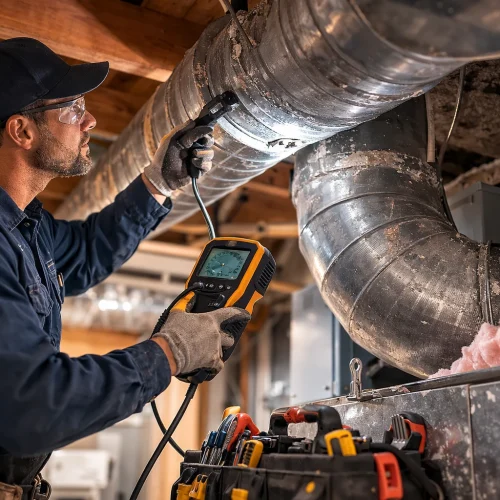
Some roof issues simply aren’t visible without safe access, technical knowledge, and an understanding of how roofs behave over time. Professional inspections identify early-stage problems that homeowners typically miss, including subtle movement patterns and material fatigue.
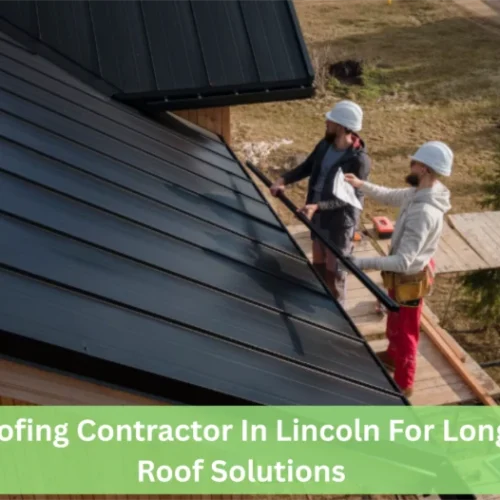
This is why many homeowners choose to have their roofs assessed by experienced local roofing professionals whose understanding of regional conditions allows them to identify issues before they become costly failures.
Preventative Maintenance: The Most Overlooked Cost Saver
Regular inspections and minor maintenance are among the most effective ways to protect a roof’s lifespan. Addressing small issues early helps prevent moisture damage, structural deterioration, and unexpected repair bills.
The most expensive roof isn’t the one that costs the most upfront — it’s the one that fails early.
Final Takeaway: Paying Attention Early Saves More Than Money
Roof failure is rarely sudden, and it’s almost never obvious in its early stages. The warning signs are subtle, but they matter. Homeowners who understand what to look for — and act early — avoid major repairs, protect their homes, and save significant money over time.
Roof care isn’t about panic or overreacting. It’s about timing, awareness, and informed decision-making.