Most people hang art because a wall looks empty. However, there’s more to it entirely if they broaden their mental horizons. It carries intent behind every image, color choice and visual reference. In interior design, that distinction changes everything. A room built around symbolic pieces stops being a decorated space and starts being a lived-in statement. Here’s why that matters more than most realize.
What Is Symbolic Art in Interior Design?
Subtle thoughts are brought to light via the use of visual elements in symbolic art. Being resilient is symbolised by a lotus flower. The symbol of freedom is a broken chain. Aspiration is suggested by a moving figure. These selections aren’t arbitrary. There is a hidden significance in every symbol in symbolic art that people either pick up on right away or start to sense as they take in more and more of the piece.
The ability of symbolic art to convey meaning without using words is what gives it such potency in the field of design. A person learns something about the people who live in a room full with culturally based art even before they start talking to them. Canvas prints of African American Art Canvas Prints have an air of genuine authority. History, community and pride-related tales are brought into a living place via these. Filler artwork of that generic quality can never hope to match that level of presence.
How Symbolic Art Adds Meaning to Interior Spaces
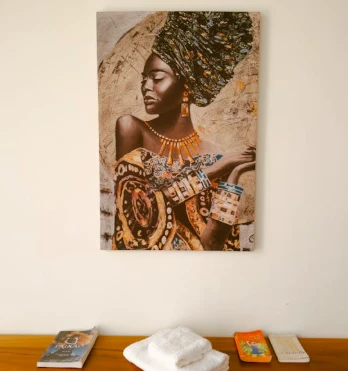
A room without symbolic reference feels like a hotel. Clean, functional, completely forgettable. Symbolic art is what separates a space that looks designed from one that actually feels inhabited.
The most obvious function it serves is creating a focal point that invites genuine attention. People notice it. They ask about it.
In fact, symbolic art gives a space for emotional continuity. A collection of pieces connected by a shared theme or cultural reference creates an environment that feels considered from corner to corner. That’s not something a matching furniture set achieves on its own.
Layering works from different traditions adds complexity without creating visual noise, as long as a thread connects the choices. That thread doesn’t have to be cultural. It can be tonal, conceptual or personal. The point is that symbolic art gives rooms a reason to exist beyond looking expensive.
The Emotional Impact of Symbolic Artwork in Home Decor
Enviromental factors influence emotional states. No, it is not a theory of design. Anyone who has ever entered a frigid, deserted room knows what I’m talking about. Among the most straightforward means of influencing the emotional state of an audience is the placement of artwork.
Symbolic art often reaches an emotional level that more strictly ornamental forms fail to. The spectator has a profound sense of connection when they comprehend the significance of an image. Very short, yet it makes an impression. Living with symbolic art creates a bond between the individual and the area that grows stronger with time.
Consistent evidence from the field of environmental psychology supports this. In terms of comfort and belonging, settings that represent personal beliefs and cultural identity score better than those that just focus on aesthetics. When the work selected has real cultural importance instead of superficial aesthetic appeal, that chasm expands even further.
During difficult periods especially, returning home to pieces that reflect something true about the person living there provides real grounding. The home stops being a backdrop to life and becomes part of it. That shift is hard to put a price on.
Choosing the Right Symbolic Art for Different Rooms
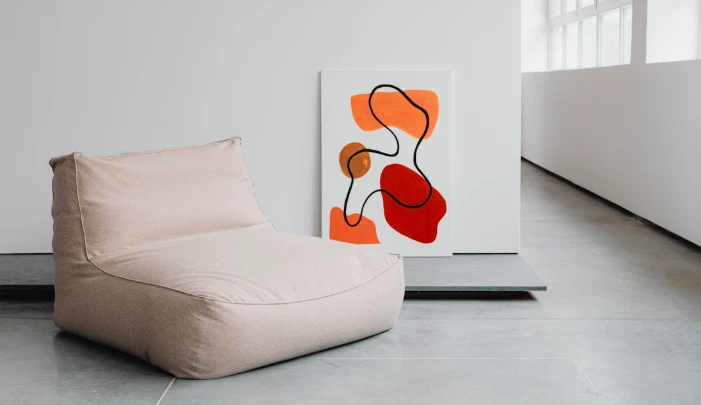
Room function should drive art selection. This sounds obvious but gets overlooked constantly. A large-scale narrative piece placed in a bedroom can actually work against rest rather than support it. Context matters every single time.
Living rooms are natural homes for bold symbolic work. These are social spaces. Art there gets seen, questioned, discussed. Pieces rooted in cultural heritage or collective experience fit particularly well because they create shared ground between residents and visitors. Scale works in favor of impact here.
Bedrooms call for something different. Quieter symbolism, softer color ranges, images tied to peace, reflection or spiritual practice. The goal is a space that supports rest without competing for attention. A piece tied to personal spiritual practice gives a bedroom a quality that purely decorative options don’t come close to.
Tips for Incorporating Symbolic Art Into Your Space
Try asking yourself if the work is trying to say to you? Now, as the work is incorrect if it does not have a satisfactory response. Intentionally selected symbolic art is more likely to produce visual chaos than meaningful layering.
The element that is most often disregarded is its size. Even a beautiful print in a gallery might lose all of its impact when shown on a massive wall. An open floor plan could be overwhelmed by a single item that is perfect for a little display wall. Take stock first. That one practice stops most people from making a hasty purchase decision.
Even though it’s important, framing is frequently disregarded. The frame is a part of the visual message. An intricate border and a contemporary symbolic print provide an ambiguous statement. Putting a priceless cultural relic on display in a sterile white frame diminishes its value. Find a frame material that accentuates the artwork’s beauty.
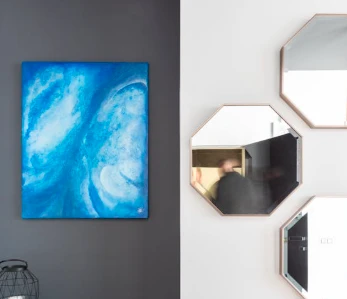
Exercise moderation while arranging many parts. When it’s alive, a gallery wall shines. Each piece loses some of its symbolic power when there are too many of them vying for attention. Three excellent pieces certainly outstrip eight mediocre ones.
Conclusion
Those who take symbolic art seriously are rewarded. In doing so, it elevates an ordinary space to the level of an expression of one’s character, heritage and principles. The significance of the wall art is frequently the deciding factor between a well arranged room and one that feels truly like home. Gather one sturdy item to begin with. Continue with the story’s progression.
FAQs
Symbolic art uses visual elements like images, colors, and forms to convey deeper meanings, emotions, or cultural messages within a space.
It adds intention and personality to a room, transforming it from a purely decorative space into one that reflects identity and meaning.
It influences emotions by creating a sense of connection, comfort, and depth that purely decorative pieces often lack.
Symbols like lotus flowers (resilience), broken chains (freedom), and upward movement (aspiration) are commonly used to convey meaning.
It works best in focal areas like living rooms for impact, while softer, calming pieces are better suited for bedrooms.
Yes, art that reflects personal beliefs or cultural identity can create a stronger sense of belonging and emotional grounding.
Select pieces that resonate personally and align with the room’s purpose, ensuring they support the intended mood and function.
Yes, as long as there is a unifying theme or intention, mixing styles can add depth without creating visual confusion.
Absolutely, the frame contributes to the overall message and should complement the artwork’s style and meaning.
It’s best to limit the number and focus on a few impactful pieces to preserve their meaning and avoid visual clutter.