Running a business also means dealing with waste. Some of it is harmless, but some of it is not. When waste becomes dangerous, it needs to be disposed of carefully. This is where proper hazardous waste disposal comes in. Many businesses rely on dumpster rental services for everyday trash, but hazardous waste cannot be handled the same way. Tossing it out carelessly can lead to fines, injuries, and serious harm to the environment.
Hazardous waste affects more than just your workplace. It can pollute water, damage soil, and harm people living nearby. On top of that, laws around disposal are strict. Ignoring them can cost your business time and money. The good news is that safe disposal does not have to be complicated. With a clear plan, you can manage hazardous waste the right way.
What Is Hazardous Business Waste?
Before you can dispose of hazardous waste, you need to know what it is. Hazardous waste harms people, property, or the environment. It may be toxic, flammable, corrosive, or reactive. Sometimes, waste looks harmless but still falls into this category—different industries produce different types of hazardous waste.
Hospitals and Clinics
Hospitals produce hazardous waste every day, from used needles, contaminated gloves, and expired medications. These are very dangerous to people and the environment, as they carry infections and cause serious injuries if handled improperly. When improperly disposed of, they can contaminate water systems and pose health risks.
Manufacturing
Manufacturing businesses handle chemicals, solvents, oils, and heavy materials. Paint residues, adhesives, and metal shavings may all be considered hazardous. Some materials are flammable, while others are toxic when inhaled or touched. Even small manufacturing units can produce waste that requires special handling. Over time, improper disposal can lead to workplace accidents and environmental damage.
Offices and Labs
Many people think offices do not create hazardous waste. That is not always true. Items like batteries, printer cartridges, cleaning chemicals, and electronic waste can all be hazardous. Labs, in particular, deal with chemical solutions, testing reagents, and biological samples. These materials need proper identification and disposal to prevent exposure and contamination.
5 Simple Steps to Dispose of Hazardous Waste
Having a plan is key to disposing of hazardous waste properly. It reduces the risk of something going wrong while protecting customers, workers, and the general public alike.
Identifying Hazardous Waste
The first step is knowing what kind of waste you have. Start by reviewing your operations and assessing the materials you use daily. Check safety data sheets for chemicals, as they explain the risks and proper disposal methods. Special attention must be given to flammable or toxic waste.
Once identified, classify the waste correctly, such as breaking things down into chemical waste, biomedical waste, electronic waste, or industrial byproducts. Classification helps determine how the waste should be stored, transported, and disposed of.
Proper Storage and Labelling Practices
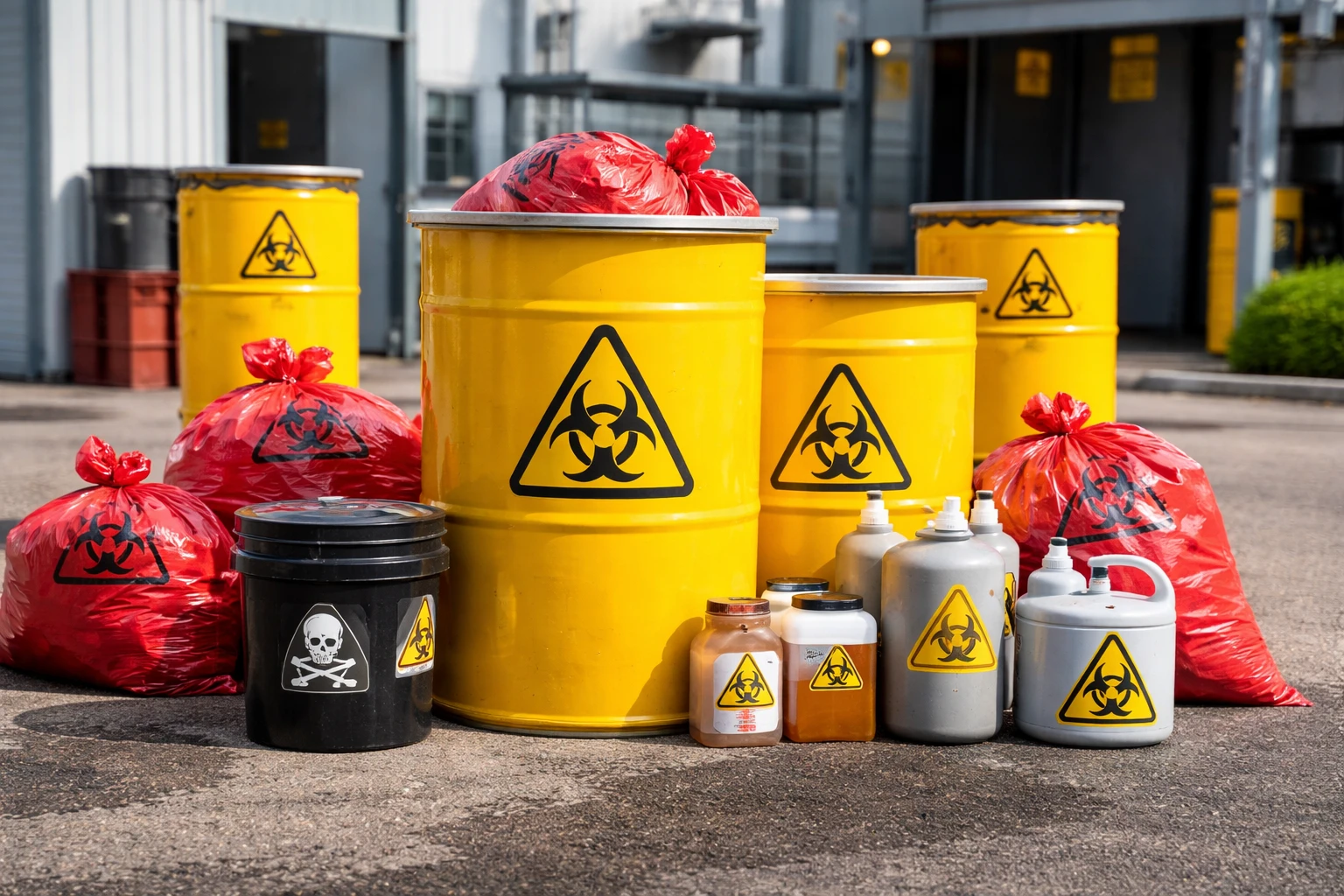
The next step after identifying hazardous waste is to store it. Poor storage can lead to leaks or spills, putting employees and facilities at risk. You should use containers that are strong and sealed. Never mix different types of hazardous waste in one container unless allowed, as some materials can react badly when mixed.
Labelling is equally important; it should be easy to read and placed where it is visible, because this helps workers handle waste safely. Storage areas should be properly ventilated and kept away from public areas and food-preparation areas. Regular checks help catch problems early.
Safe Handling and Employee Training
Hazardous waste management is not just about containers and rules. It is also about people. Employees need to know how to handle waste safely, and training should be simple and ongoing. Workers should know the basics of what hazardous waste looks like and why it is dangerous. For example, how to use protective gear or what to do if a spill happens.
This is a priority for businesses that handle medical waste. For example, sharps disposal must be handled carefully to prevent needle injuries; these containers should never be overfilled. Clear procedures build confidence. When employees feel informed, accidents are less likely to happen.
Partnering with Waste Disposal Provider
The third step is to work with a licensed disposal provider. These waste disposable companies know how to handle waste at a professional level. A licensed provider offers help with the classification of waste along with pick-up services and ensures waste reaches disposal facilities.
Many businesses already use dumpster rental services for general waste because they reduce risk and save time. Hazardous waste, however, needs specialized handling, so before partnering, check credentials. You’ll want to ensure the provider is licensed and experienced; ask questions and get a full understanding of their process.
Maintaining Records and Staying Compliant
Documentation is essential when running a business. You should keep correct records about waste manifests, pickup schedules, training logs, disposal certificates, and more. These documents show where waste came from and where it went, but they also help track patterns and improve waste management over time.
Regular reviews of local and national guidelines help ensure your business remains compliant. By working with experts, you make this easier and reduce the chance of missing important updates.
Best Practices in the Industry
While rules provide a foundation, best practices go a step further. One of the examples of best practice is reducing hazardous waste. You can overcome this by using safer materials or recycling, and scheduling regular inspections to identify weaknesses and learn where improvements can be made. Clear communication between departments ensures everyone follows the same procedures.
Another best and simple practice is planning ahead. Don’t wait until waste piles up; scheduled pickups and routine checks help systems run smoothly. Along with that, safety should be a priority. Equipment, training, and clear processes protect both people and the environment.
Safe Disposal of Hazardous Waste Matters
Disposing of hazardous business waste is not confusing. When broken into simple steps, the process becomes manageable. Start by understanding your waste, then follow these steps to keep everyone safe. Working with licensed professionals and maintaining clear records are key to proper hazardous waste disposal.
These steps protect your business, your employees, and the community around you. They also help you stay compliant and avoid unnecessary risks. With the right approach, hazardous waste disposal becomes just another standard part of running a responsible and successful business.
FAQs
Hazardous business waste includes materials that are toxic, flammable, corrosive, or reactive and can harm people, property, or the environment.
No, hazardous waste requires special handling and disposal and should never be placed in regular dumpsters or general trash.
Hospitals, manufacturing facilities, laboratories, and even offices generate hazardous waste through chemicals, medical items, electronics, or cleaning products.
Review the materials you use, check safety data sheets, and assess whether waste poses chemical, biological, or environmental risks.
Clear labeling helps employees handle waste safely and ensures disposal providers know how to manage it correctly.
Improper storage can lead to spills, chemical reactions, injuries, environmental damage, and regulatory fines.
Yes, employees should receive regular training on safe handling, protective equipment, and emergency response procedures.
Licensed providers ensure hazardous waste is transported and disposed of legally, safely, and in compliance with regulations.
Businesses should maintain waste manifests, disposal certificates, training logs, and pickup records for compliance and tracking.
Using safer materials, recycling when possible, and reviewing processes regularly can significantly reduce hazardous waste output.