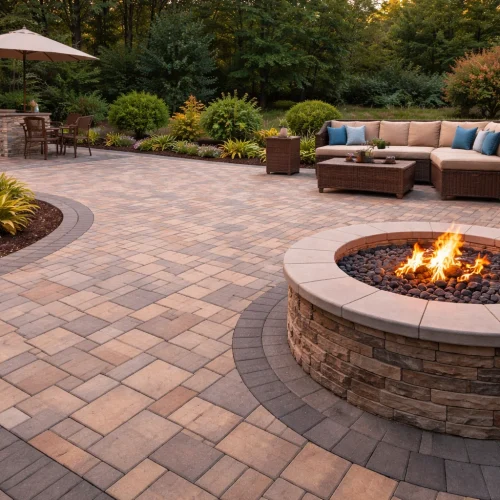
The dream of a perfect outdoor space is a universal one. It is a vision of seamless entertaining, tranquil relaxation, and a private oasis that feels like a natural extension of the home. We pour our creativity into selecting the finest paving, the most luxurious outdoor furniture, and the perfect arrangement of plants and lighting. Yet, there is a critical, often overlooked, element that can make or break this idyllic scene: effective water management. Without a thoughtful approach to drainage, even the most beautifully designed garden can fall victim to persistent puddles, waterlogged lawns, and potential property damage, turning a haven into a headache.
Understanding the Challenge
The challenge of managing rainwater is particularly pertinent in the British climate, where downpours can be sudden and substantial.
Key water-related risks:
- Persistent pooling on patios
- Waterlogged lawns and planting beds
- Subsurface saturation leading to instability
- Structural risks around home foundations
The goal is not simply to get rid of water, but to guide it away in a controlled and discreet manner, without compromising design.
Integrating Drainage at the Design Stage
Integrating drainage considerations from the outset of a project is not merely a technical necessity; it is a fundamental aspect of creating a space that is both beautiful and resilient.
Why Early Planning Matters
- Enhances long-term durability
- Prevents costly retrofits
- Ensures outdoor areas remain usable in all seasons
- Supports sustainable water use
The Value of Professional Drainage Experts
Engaging with professional drainage experts at the planning stage is the most effective way to safeguard your investment.
Typical Evaluation Steps
Professionals will assess:
- Topography of your garden
- Soil type and drainage capacity
- Water flow patterns during heavy rainfall
- Areas prone to pooling or saturation
How Experts Protect Your Property
Their expertise is crucial in designing a system that:
- Works in harmony with the landscape
- Protects foundations
- Preserves plant health
- Keeps patios and terraces safe and usable after rainfall
Types of Drainage Solutions for Modern Landscapes
The solutions available are varied and can be tailored to functional and aesthetic needs.
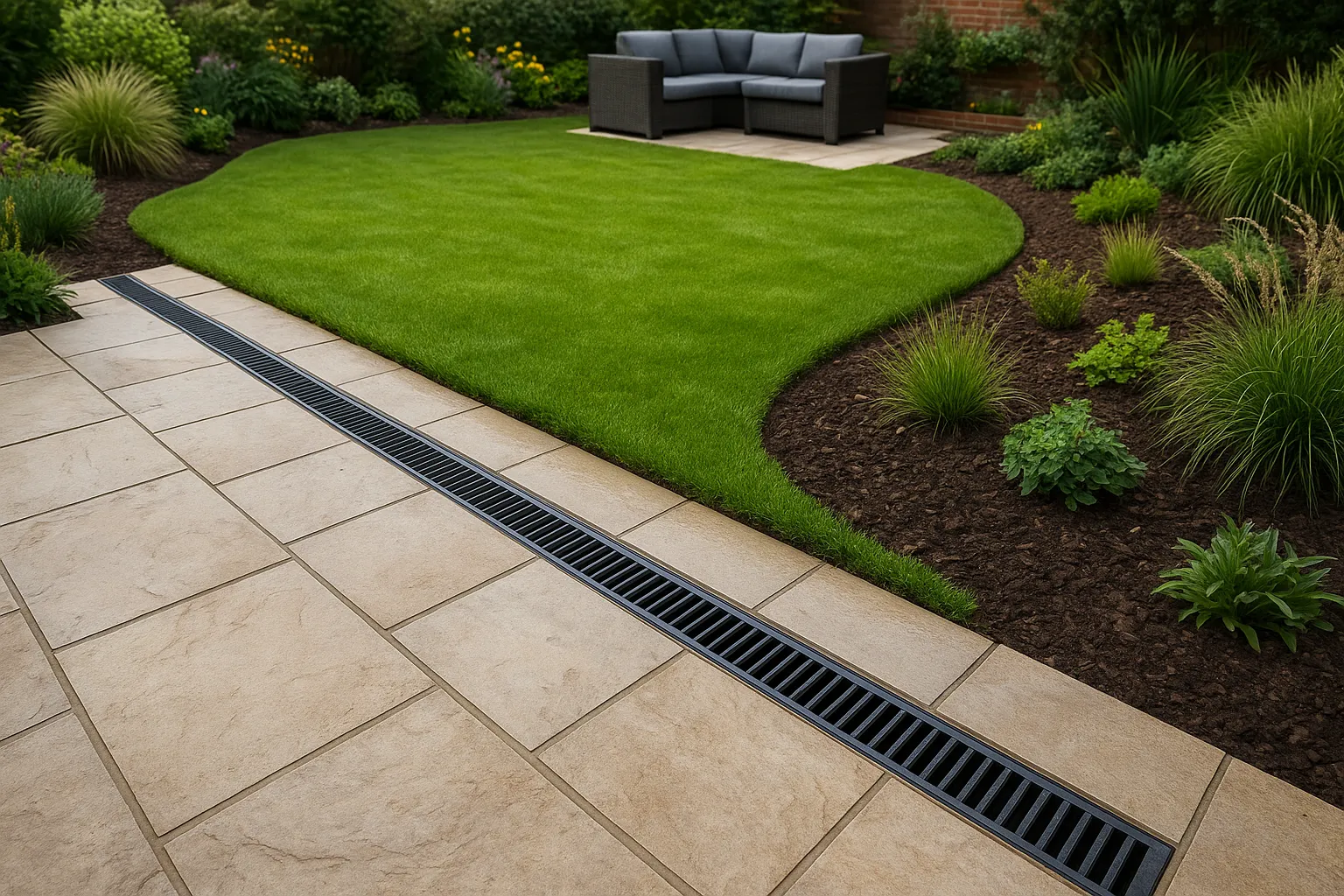
1. Linear Drainage Channels
These slender, grated channels:
- Sit along paved edges or slopes
- Intercept surface water quickly
- Channel water into the main drainage system
Benefits:
- Discreet appearance
- Grates can match surrounding paving
- Ideal for patios, terraces, and driveways
2. French Drains (Subsurface Drainage)
For larger properties or sloped landscapes, French drains offer a robust solution.
Structure:
- A gravel-filled trench
- A perforated pipe that redirects subsurface water
Best for:
- Managing groundwater
- Preventing soil saturation
- Stabilising landscape areas
3. Permeable Paving
An elegant, sustainable solution.
How it works:
- Water passes through the paving surface
- Filters through compacted aggregate
- Slowly infiltrates the soil below
Advantages:
- Reduces surface runoff
- Prevents puddles naturally
- Reduces burden on drainage systems
4. Land Drainage for Planted Areas
Incorporating perforated land drainage pipes helps prevent plant beds and lawns from becoming waterlogged.
Why it’s important:
- Healthy oxygen levels for roots
- Protection from root rot
- Stronger, healthier plant growth
Strategic Placement: The Secret to Effective Drainage
The strategic placement of drainage systems is what separates a good design from a great one.
Key Design Techniques
- Using subtle slopes (falls) to direct water
- Positioning drains where natural accumulation occurs
- Keeping water away from property foundations
- Integrating drains without disrupting aesthetics
Sustainable Water Practices
Sustainable add-ons include:
- Water butts for rainwater harvesting
- Rain gardens that naturally filter excess water
Consequences of Poor Drainage
Short-Term Issues
- Standing water on patios
- Slipping hazards
- Insect breeding grounds
Long-Term Damage
| Problem | Impact |
| Sub-base erosion | Uneven, unstable paving |
| Foundation saturation | Dampness in basements, structural risk |
| Plant decline | Waterlogged roots & poor oxygen levels |
| Surface degradation | Staining, cracking, slipperiness |
A garden with excellent drainage feels solid and looks consistently well-maintained.
Designing for Longevity and Beauty
Ultimately, designing an outdoor area with smart drainage is an exercise in foresight. It is about creating a legacy of enjoyment and preserving the quality of your property. It represents a holistic approach to landscaping, where visual appeal and practical performance are given equal weight.
By consulting with specialists and embedding drainage solutions into your initial design, you are not just building a garden; you are crafting a resilient, low-maintenance environment that will provide a beautiful and durable backdrop for years to come.
Your dream space should be designed to weather every storm, and with the right foundation, it most certainly will.
FAQs
Proper drainage prevents water pooling, protects landscaping, and keeps outdoor surfaces safe and usable year-round.
Standing water is usually caused by poor grading, compacted soil, or insufficient drainage systems.
They collect surface water through grated openings and direct it into an underground drainage network.
Yes, French drains can be scaled for small gardens, especially where subsurface water needs redirection.
Permeable paving reduces runoff and allows natural absorption, making it a more sustainable and low-maintenance option.
Yes, prolonged water accumulation around the home can lead to dampness, structural issues, and costly repairs.
If you notice frequent puddles, soggy soil, or water against your home, a professional assessment is recommended.
Rain gardens absorb and filter stormwater, reducing runoff and supporting healthier soil conditions.
Most outdoor surfaces need a subtle fall—typically around 1–2%—to guide water toward designated drainage areas.
Many modern drainage solutions, like linear drains and permeable paving, integrate discreetly into outdoor designs.