Spray paint wrinkling is one of those problems that hits fast and hard. One minute your project looks smooth and promising. The next, the surface puckers, shrivels, and wrinkles like it’s reacting to something it hates. And honestly? It is.
I’ve seen spray paint wrinkling ruin furniture makeovers, derail cabinet refreshes, and turn quick weekend projects into multi-day repairs. The frustrating part isn’t just how ugly it looks—it’s how preventable it usually is. When you understand why it happens, fixing it (and avoiding it entirely) becomes much easier.
This guide breaks spray paint wrinkling down in plain terms. No fluff. No vague advice. Just clear causes, practical fixes, and reliable prevention strategies that actually work in real-world conditions.
What Spray Paint Wrinkling Really Is
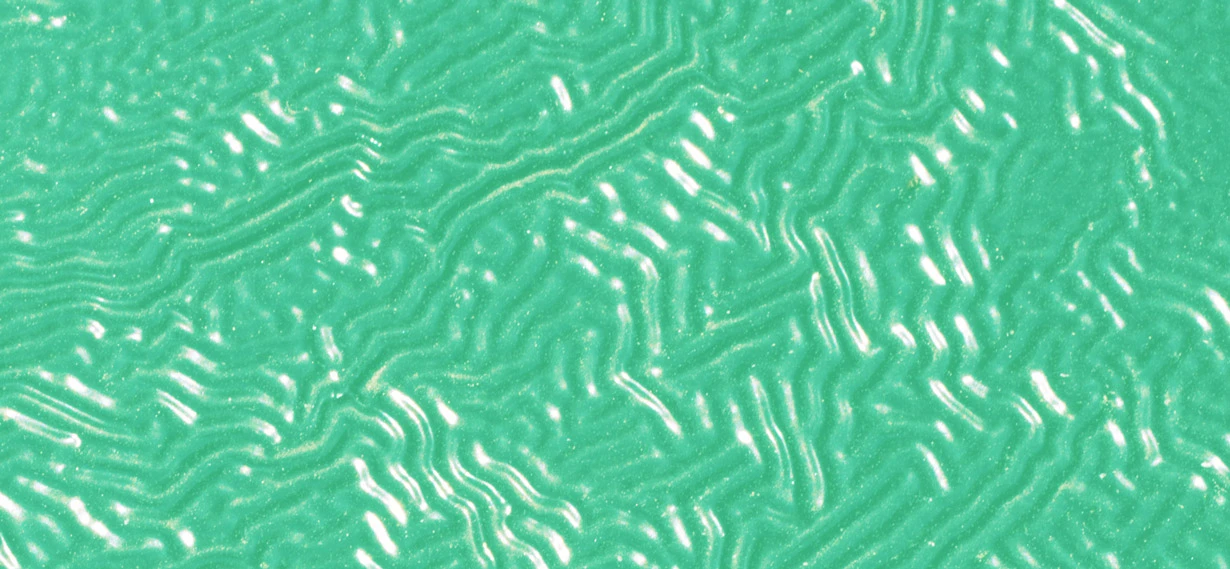
Spray paint wrinkling happens when a fresh coat of paint reacts badly with the layer beneath it. Instead of drying flat, the top layer shrinks unevenly, pulling and puckering as solvents try to escape.
Visually, it can look like:
- Tight ripples across the surface
- Deep cracks that resemble alligator skin
- Soft wrinkles that form minutes or hours later
This isn’t a cosmetic “oops.” It’s a chemical reaction. And once it starts, it doesn’t magically smooth itself out.
At its core, spray paint wrinkling means the paint system is fighting itself.
The Most Common Causes of Spray Paint Wrinkling
Applying Too Much Paint Too Fast
This is the number-one culprit.
Heavy coats trap solvents underneath the surface. When the top layer skins over, those solvents still want out. They push. The paint moves. Wrinkles form.
Light coats matter more than speed.
Best practice
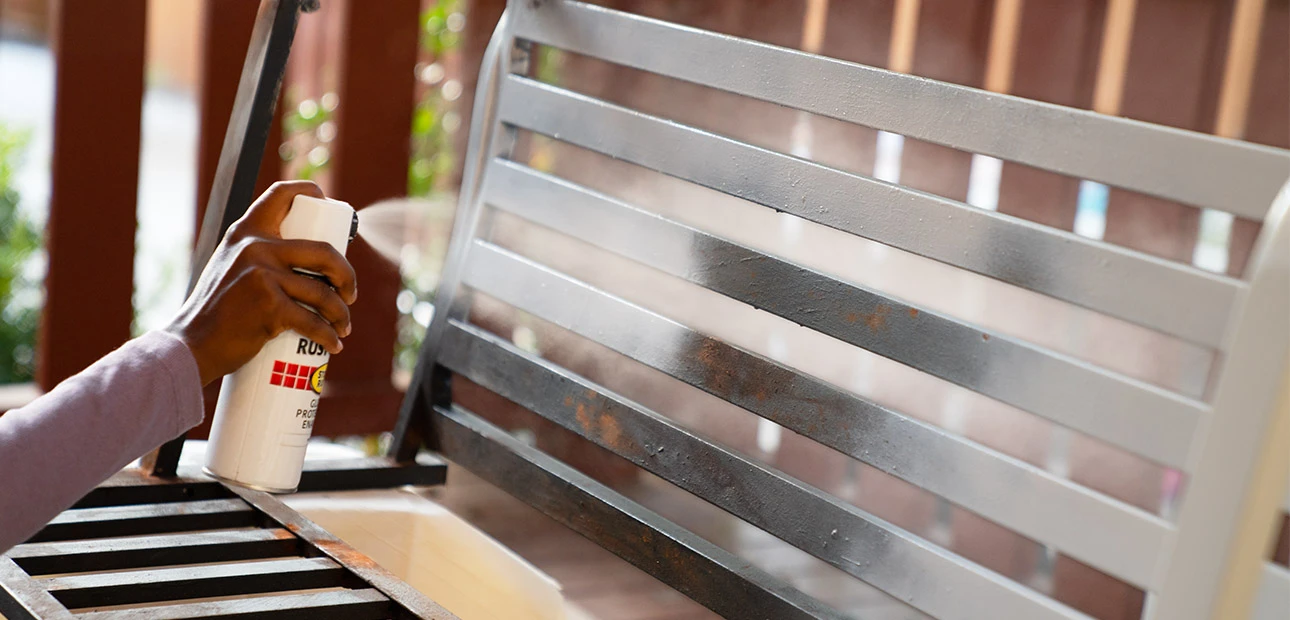
- Apply thin, even passes
- Let each coat flash off before the next
- Never try to “make it glossy” in one pass
If the paint looks wet and shiny immediately, you’re probably spraying too heavy.
Ignoring Recoat Windows
Every spray can gives recoat guidance. Most people glance at it and move on.
Big mistake.
There are usually two safe windows:
- Recoat within minutes
- Or wait 24–48 hours
Miss that window, and spray paint wrinkling becomes likely.
Why? Because partially cured paint is vulnerable. The new solvents soften the old layer just enough to cause lifting and wrinkling.
Mixing Incompatible Paint Types
Not all paints play well together.
Common trouble combinations include:
- Lacquer over enamel
- Enamel over oil-based paint
- Unknown old finishes under modern spray paint
If the bottom layer softens when hit with solvent from the top layer, wrinkling follows.
Rule of thumb:
Stick to one paint system whenever possible—primer, color, and clear coat from the same brand and line.
Painting Over Paint That Isn’t Fully Cured
Dry isn’t cured. That distinction matters.
Paint can feel dry in an hour but still be chemically active for days. When you spray over uncured paint, the new solvents reactivate the layer below.
Result? Spray paint wrinkling that appears hours later, just when you thought you were done.
Environmental Factors You Can’t Ignore
Temperature and humidity affect more than drying time.
Wrinkling is more likely when:
- Temperatures are below 50°F (10°C)
- Temperatures exceed 90°F (32°C)
- Humidity is high
- Surfaces are hot from direct sunlight
Paint behaves best in calm, moderate conditions. Rushing outside on a humid day is asking for trouble.
Poor Surface Preparation
Paint needs something to grip.
Wrinkling can happen if you spray over:
- Grease or wax residue
- Silicone from cleaners or polishes
- Glossy surfaces without sanding
- Dust trapped under the paint
When adhesion fails, the paint shifts as it dries.
What the Type of Wrinkle Tells You
Not all spray paint wrinkling looks the same. The pattern gives clues.
| Wrinkle Type | What It Usually Means |
| Fine ripples | Recoat too soon |
| Deep cracks | Incompatible paint layers |
| Immediate wrinkling | Heavy coat or solvent reaction |
| Delayed wrinkling | Uncured base layer |
Learning to read the surface saves time later.
How to Fix Spray Paint Wrinkling (Without Making It Worse)
Step One: Stop Painting
Seriously. Stop.
Adding more paint will not fix spray paint wrinkling. It usually makes it deeper and harder to sand.
Let the paint dry fully before touching it.
When Light Sanding Is Enough
If the wrinkles are shallow and tight, sanding may solve the problem.
How to do it
- Start with 220–320 grit sandpaper
- Sand until the surface feels flat
- Feather the edges
- Clean thoroughly before repainting
Wet sanding works well here, especially on furniture or cabinets.
When You Need to Strip and Start Over
Sometimes, sanding won’t cut it.
If the paint:
- Peels when sanded
- Feels rubbery
- Has deep alligator cracks
You’ll need to remove it.
Options include:
- Chemical paint stripper
- Denatured alcohol (for some spray paints)
- Mechanical sanding
It’s not fun, but it’s better than fighting a bad foundation.
Re-Priming the Right Way
Once the surface is smooth again, don’t skip primer.
Use:
- A compatible primer
- Thin coats
- Proper drying time
Primer creates a stable barrier that helps prevent spray paint wrinkling on the next attempt.
How to Prevent Spray Paint Wrinkling Every Time
Respect Recoat Timing
This deserves repeating.
Always:
- Read the can
- Set a timer if needed
- Choose one recoat window and stick to it
Most wrinkling disasters come from impatience.
Use Light Coats—Yes, Even If It Takes Longer
Light coats dry evenly. Heavy coats look good for five minutes and fail later.
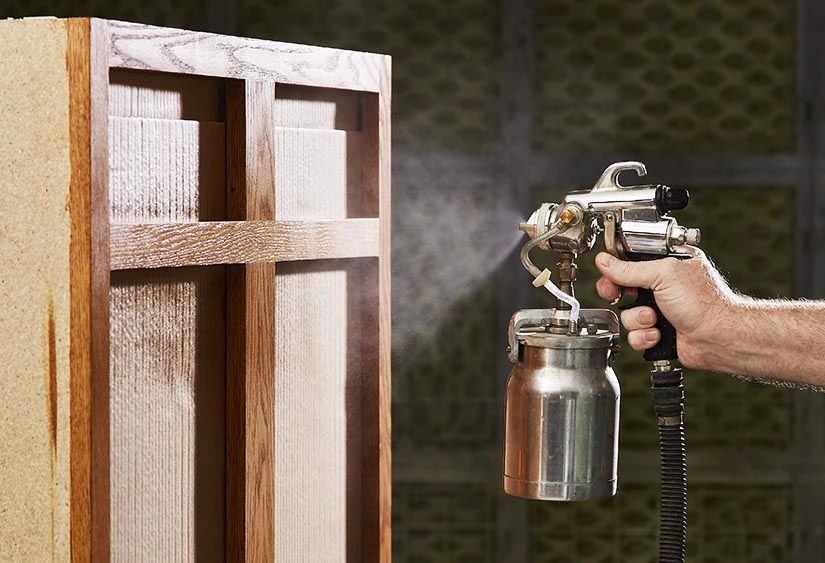
Hold the can:
- 8–12 inches from the surface
- Moving constantly
- Overlapping passes slightly
If you can see paint building up, slow down.
Match Paint Types and Brands
Different brands use different solvents. Mixing them increases risk.
For best results:
- Use primer, paint, and clear coat from the same system
- Avoid spraying unknown finishes without sealing them first
Consistency reduces chemical surprises.
Control Your Environment
Paint indoors when possible, with ventilation.
Ideal conditions:
- 65–80°F (18–27°C)
- Low humidity
- No direct airflow on the surface
If conditions aren’t right, wait. It’s worth it.
Allow Full Cure Time Between Stages
This is where professionals win.
Before:
- Sanding
- Clear coating
- Heavy handling
Make sure the paint is fully cured, not just dry.
Spray Paint Wrinkling on Different Surfaces
Wood
Wood absorbs solvents unevenly.
Problems arise when:
- Raw wood isn’t sealed
- Old varnish reacts underneath
Always sand and prime wood surfaces.
Metal
Metal shows wrinkles clearly.
Issues include:
- Spraying over rust
- Incompatible rust inhibitors
- Painting hot metal
Let metal cool and prep thoroughly.
Plastic
Plastic off-gasses. That trapped air causes movement.
Use:
- Plastic-specific primer
- Light coats
- Extra drying time
Skipping plastic primer is a fast track to spray paint wrinkling.
Furniture and Cabinets
These surfaces hide old finishes.
Wax, polish, and cleaners are common culprits. Degrease aggressively and sand properly before spraying.
Materials That Reduce Wrinkling Risk
Quality tools help more than people realize.
Worth using
- High-quality primer
- Fine-grit sandpaper
- Degreasing cleaner
- Tack cloth
Cheap paint and rushed prep cost more in the end.
Final Thoughts: Patience Beats Repairs Every Time
Spray paint wrinkling feels like a betrayal when it happens. You followed the steps. You took your time. And still—wrinkles.
But almost every case traces back to timing, compatibility, or environment. Slow down. Read the can. Use light coats. Let paint cure fully.
I’ve learned this the hard way more than once. The good news? Once you understand spray paint wrinkling, it becomes easy to avoid—and even easier to fix when it shows up.
Paint smarter. Wait longer. And enjoy smooth finishes that stay smooth.
FAQs
Spray paint wrinkling is most commonly caused by applying heavy coats too quickly or recoating outside the recommended time window.
Yes, light wrinkling can often be fixed by letting the paint fully dry and sanding it smooth before repainting.
Wait at least 24–48 hours, or until the paint is fully cured, before sanding or applying another coat.
High humidity can slow solvent evaporation, increasing the risk of spray paint wrinkling, especially with heavy coats.
Yes, spraying incompatible paint types or brands can cause the top layer to react and wrinkle the surface below.
Clear coat can cause wrinkling if applied too soon, too heavy, or over paint that hasn’t fully cured.
Delayed wrinkling usually means the base coat wasn’t fully cured and reactivated under the new layer.
Yes, plastic can off-gas and react with solvents, which is why plastic-specific primer is essential.
The wrinkles won’t flatten on their own, but the surface can usually be repaired with sanding and proper repainting.
Use light coats, follow recoat times exactly, stick to compatible products, and allow full curing between steps.