Specialised workspaces have become increasingly popular in both residential and commercial construction projects. From backyard workshops to professional laboratories, these purpose-built spaces require careful planning that standard rooms simply don’t demand.
Building a functional specialised workspace involves considerations far beyond typical construction requirements.
This guide explores the essential elements of designing and constructing spaces that truly serve their intended technical purposes.
The Growing Demand for Specialised Spaces
Homeowners and businesses alike are investing in purpose-built workspaces at unprecedented rates. Remote work trends, hobby pursuits, and specialised business needs all drive this growing demand.
Residential Trends
Home workshops, art studios, and hobby laboratories have become sought-after features in modern homes. These spaces allow homeowners to pursue passions without leaving their properties.
The pandemic accelerated interest in functional home spaces for work and hobbies significantly. Many homeowners discovered that dedicated workspaces dramatically improve both productivity and enjoyment.
Commercial Applications
Businesses increasingly require specialised facilities tailored to specific operational needs. Research laboratories, testing facilities, and technical workshops demand construction approaches that standard offices don’t require.
Commercial specialised spaces must meet regulatory standards while maximising operational efficiency. Professional design and construction expertise proves essential for these demanding projects.
Planning Your Specialised Workspace
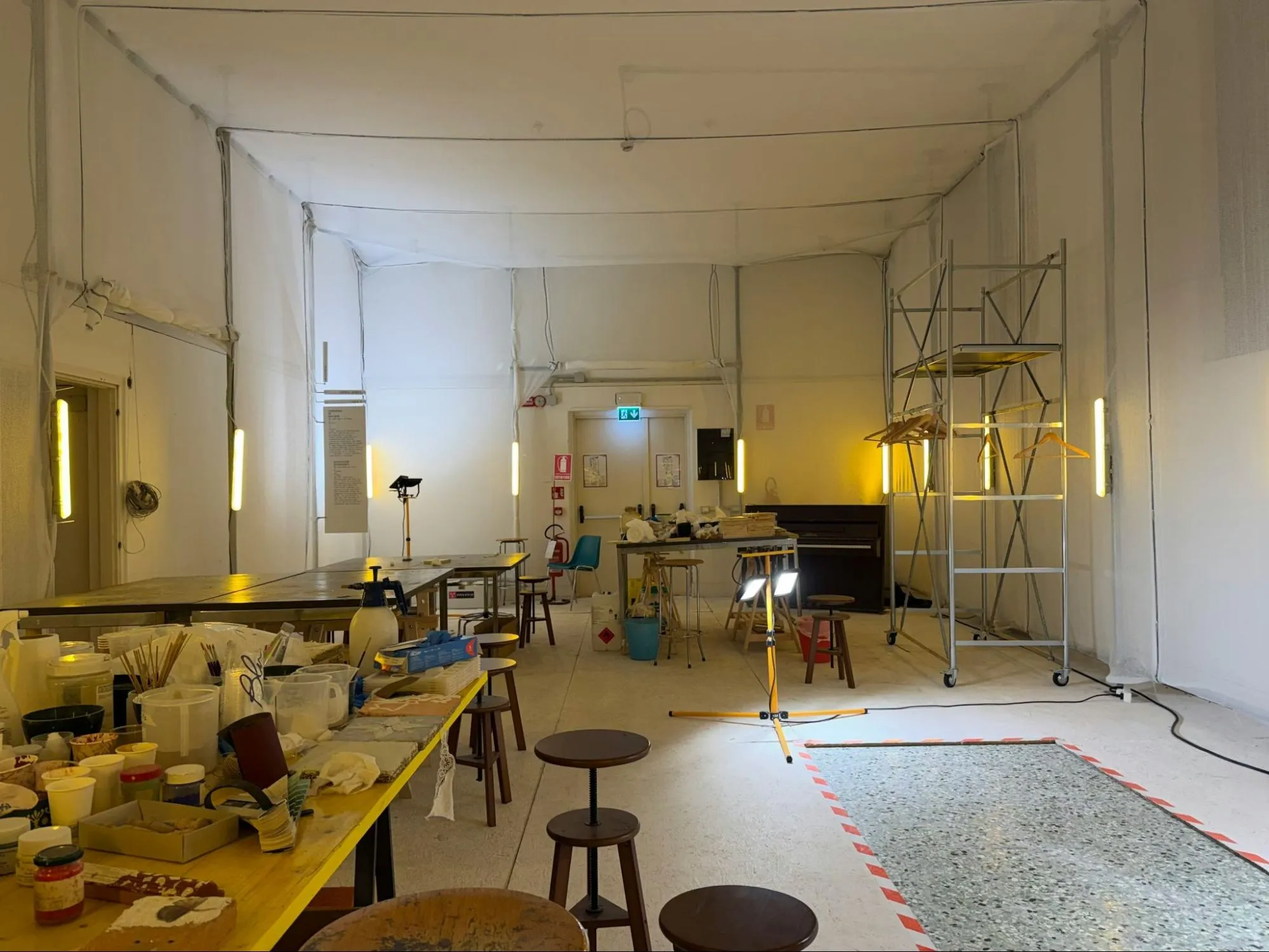
Successful specialised spaces begin with thorough planning, addressing all functional requirements. Rushing into construction without comprehensive planning leads to costly modifications later.
Defining Functional Requirements
Start by listing every activity the space must accommodate comprehensively. Understanding exactly how you’ll use the space guides every subsequent design decision.
Consider both current needs and potential future requirements when planning spaces. Building in flexibility prevents expensive renovations when needs inevitably evolve.
Location Considerations
Where you position specialised spaces significantly impacts functionality and construction complexity. Factors including access, utilities, ventilation, and noise all influence optimal placement.
Residential workshops often work best in garages, basements, or detached structures. Commercial facilities require locations balancing operational needs with building infrastructure capabilities.
Budget Planning
Specialised spaces typically cost more per square metre than standard construction projects. Realistic budgeting prevents projects from stalling when funds run short unexpectedly.
Include equipment, ventilation systems, and specialised utilities in budget calculations upfront. These elements often equal or exceed basic construction costs for technical spaces.
Critical Infrastructure Requirements
Specialised workspaces demand infrastructure capabilities that standard rooms rarely require. Planning these systems early prevents expensive retrofitting after construction completes.
Electrical Systems
Technical workspaces often require substantially more electrical capacity than typical rooms. Equipment power demands, dedicated circuits, and backup power all require careful planning.
Consult electricians experienced with specialised facilities during early design phases. Their expertise prevents undersized systems that limit workspace functionality later.
Plumbing and Water Systems
Many specialised spaces require plumbing for cleaning, processes, or equipment cooling. Water supply, drainage, and specialised fixtures all need consideration during planning.
Industrial and laboratory plumbing systems face demands that standard residential plumbing cannot handle. Proper sealing throughout these systems prevents leaks that could damage expensive equipment.
Quality custom gaskets ensure reliable sealing in specialised plumbing and equipment connections. These precision-manufactured components handle the temperatures, pressures, and chemical exposures that technical environments create.
Selecting appropriate sealing solutions prevents failures that cause water damage and operational disruptions. Professional suppliers understand which materials suit specific applications and conditions.
Ventilation and Air Quality
Specialised spaces often generate fumes, dust, or heat, requiring dedicated ventilation systems. Inadequate ventilation creates health hazards and uncomfortable working conditions.
Workshop dust collection, laboratory fume hoods, and general air exchange all require planning. These systems need integration with building design rather than afterthought installation.
Building for Durability and Function
Specialised workspaces endure conditions that would quickly damage standard construction. Material selection and construction methods must account for intended use demands.
Flooring Solutions
Workspace flooring must withstand heavy loads, chemical exposure, and constant use. Standard residential flooring fails quickly under workshop or laboratory conditions.
Epoxy coatings, sealed concrete, and specialised tiles suit different applications appropriately. Consider both durability and comfort when selecting flooring for spaces involving extended standing.
Wall and Ceiling Finishes
Walls in specialised spaces may need resistance to moisture, chemicals, or impact damage. Standard drywall often proves inadequate for demanding technical environments.
Cleanability matters significantly in laboratories and food preparation spaces, especially. Smooth, sealed surfaces prevent contamination while simplifying maintenance routines.
Work Surfaces and Cabinetry
Built-in work surfaces and storage should match intended activities precisely. Generic solutions rarely serve specialised needs as effectively as purpose-designed options.
Laboratory benches, workshop tables, and technical storage all have specific requirements. Investing in appropriate furnishings maximises workspace functionality and longevity.
Equipping Your Specialised Space
Construction creates the shell, but equipment transforms spaces into functional work environments. Selecting appropriate equipment deserves as much attention as construction decisions.
Home Laboratory Setups
Science enthusiasts, educators, and professionals increasingly create laboratory spaces at home. These spaces range from simple hobby setups to sophisticated research environments.
Proper lab supplies ensure home laboratories function safely and effectively for their intended purposes. Quality equipment from reputable suppliers meets safety standards while delivering reliable performance.
Even modest home labs benefit from proper equipment rather than improvised alternatives. Appropriate supplies protect users while enabling meaningful work or educational activities.
Workshop Equipment
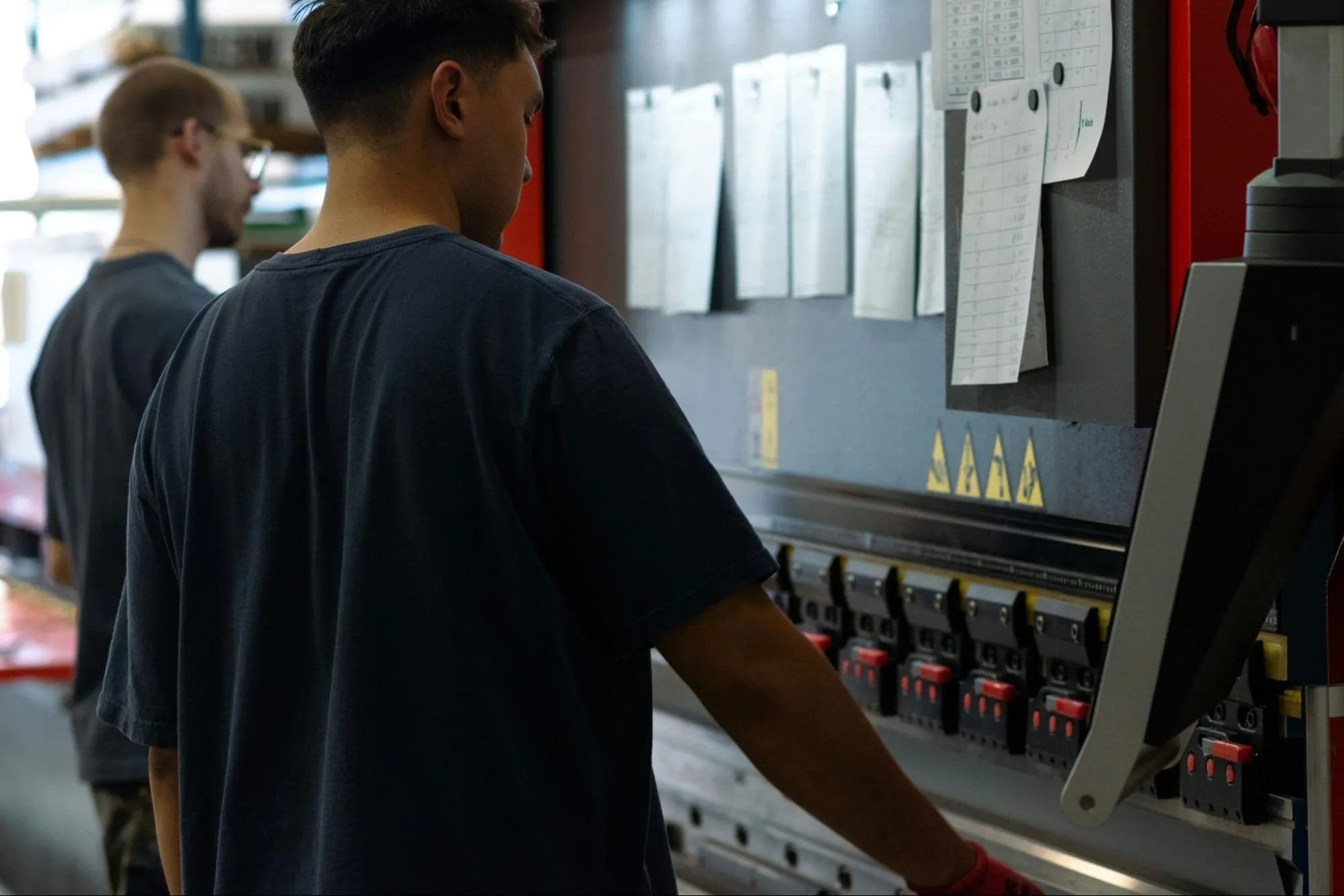
Workshops require equipment matched to intended projects and skill levels appropriately. Starting with quality fundamentals proves wiser than accumulating cheap tools quickly.
Plan equipment placement during design to ensure adequate space and utility access. Workflow efficiency depends on thoughtful equipment arrangement within available space.
Safety Equipment
Every specialised workspace requires appropriate safety equipment and emergency provisions. Fire extinguishers, first aid supplies, and protective gear all deserve prominent placement.
Safety equipment requirements vary based on specific activities and materials involved. Research applicable standards and best practices for your particular workspace type.
Compliance and Safety Considerations
Specialised spaces often face regulatory requirements beyond standard building codes. Understanding applicable regulations prevents costly compliance problems after construction.
Building Permits
Most specialised workspace construction requires permits and inspections like standard projects. However, unusual features may trigger additional review requirements.
Disclose intended use to permit authorities to ensure appropriate code compliance. Concealing specialised purposes risks serious problems during inspections or future sales.
Safety Standards
Laboratories, workshops, and technical facilities must meet specific safety standards. These requirements exist to protect occupants and often carry legal obligations.
Research applicable safety standards early in planning processes thoroughly. Designing compliance from the start costs far less than retrofitting non-compliant spaces.
Insurance Implications
Specialised spaces may affect property insurance coverage and premiums significantly. Inform insurers about planned construction and intended activities proactively.
Some activities may require additional coverage or policy endorsements for proper protection. Understanding insurance implications prevents gaps in coverage that could prove costly.
Professional Assistance
Complex specialised spaces benefit from professional expertise throughout design and construction. Attempting overly ambitious projects without appropriate help risks disappointing results.
When to Hire Professionals
Simple workshops might suit capable DIY builders with construction experience. However, laboratories and technical facilities typically require professional involvement.
Electrical, plumbing, and HVAC systems almost always need licensed professional installation. Code compliance and safety both demand qualified tradesperson involvement.
Finding Qualified Contractors
Seek contractors with demonstrated experience building similar specialised spaces. Generic construction experience doesn’t guarantee specialised facility competence.
Request references and examples from comparable completed projects specifically. Verified experience provides confidence that contractors understand unique requirements.
Maximising Your Investment
Specialised workspaces represent significant investments deserving ongoing attention. Proper use and maintenance maximise returns on construction and equipment investments.
Organisational Systems
Organised spaces function better and encourage productive use consistently. Invest in storage and organisation systems that maintain order as you work.
Designate places for tools, supplies, and works-in-progress from the beginning. Established organisational habits prevent the chaos that renders workspaces dysfunctional.
Maintenance Routines
Specialised spaces and equipment require regular maintenance to function properly. Establish maintenance schedules and follow them consistently for best results.
Ventilation systems, safety equipment, and technical tools all need periodic attention. Neglecting maintenance shortens equipment life while potentially creating safety hazards.
Conclusion
Specialised workspaces transform how we work, create, and pursue our interests. Whether building a home workshop or commercial laboratory, thoughtful planning delivers spaces that truly serve their purposes.
Construction decisions, infrastructure planning, and equipment selection all contribute to workspace success. Each element deserves careful consideration matched to your specific requirements.
Invest in quality materials, components, and equipment that will perform reliably over time. The satisfaction of working in a well-designed, properly equipped space rewards the extra investment required.
Your specialised workspace awaits. Plan thoroughly, build carefully, and enjoy the results. The right space empowers you to accomplish things that ordinary rooms simply cannot support.
FAQs
A specialised workspace is designed around specific technical tasks, with upgraded power, ventilation, surfaces, and safety features that typical rooms don’t include.
Garages, basements, and detached buildings are common because they handle noise, ventilation, and utility routing more easily than main living areas.
List every task you’ll do in the space, the equipment you’ll use, and the storage you’ll need—then plan for future expansion so you don’t outgrow it quickly.
They typically need higher electrical capacity, specialty plumbing, dedicated ventilation, durable finishes, and purpose-built work surfaces and storage.
Many require dedicated circuits, higher amperage service, extra outlets, and sometimes backup power depending on the equipment and risk of downtime.
Plumbing is useful for cleaning, processes, safety needs, or equipment cooling—and the drainage and sealing must match the demands of the work being done.
Quality gaskets improve sealing reliability under heat, pressure, and chemical exposure, reducing leaks, water damage, and equipment interruptions.
Start with what you’re producing (dust, fumes, heat, vapors), then choose the right solution—dust collection, fume extraction, or higher air-exchange systems.
Often yes—especially for labs, commercial facilities, chemical storage, or enhanced mechanical systems—so disclose intended use during permitting to avoid setbacks.
At minimum: fire extinguisher, first aid kit, PPE storage, clear emergency access, and task-specific protections (like eyewash stations or spill kits where needed).