Living in a small house or apartment can often feel limiting, especially when you start thinking about your design options. It’s easy to feel restricted, but having a smaller footprint doesn’t mean you have to give up on comfort or personal style.
You might not have a really large kitchen or a separate home office. However, those rooms with less square footage can still be redesigned into something incredibly functional, welcoming, and enjoyable to be in.
Below, we’ll have a look at some clever interior design strategies you can use in your home upgrades to really expand the usability of a smaller home or apartment.
Invest in Modular Furniture Options
Modular furniture strategically placed throughout the home can be a really great addition in smaller spaces. Most of the items you place in a room often just sit, taking up a fixed amount of space. Because of this, you want to make sure you choose furniture pieces that offer maximum utility and the best bang for your buck.
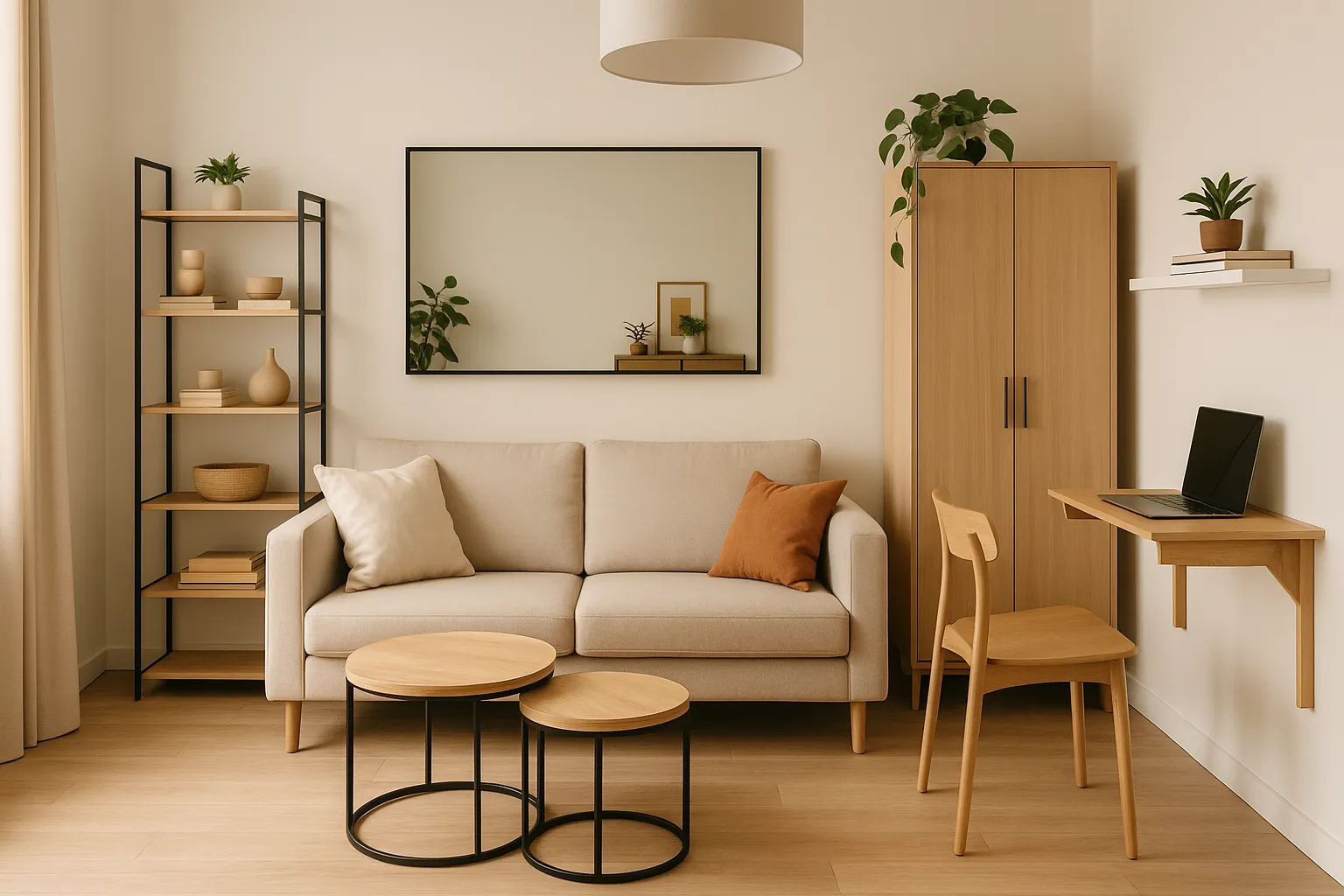
Furniture that can serve multiple purposes helps to really change how you approach room design. It gives you more flexibility and lets you pack multiple functions into a single area. For example, you might have a comfortable sofa in your living room that also folds out into a bed for guests. You could also get a set of nesting tables that are easy to pull out when you have company, but tuck away neatly when you don’t.
Another popular idea is to have a home office desk that retracts and folds up against the wall when you’re done with work. This allows you to use a flexible space, like your living room or dining area, as a temporary workspace only when you actually need it.
Don’t Forget About Available Vertical Space
When you want to make a room feel larger, your first instinct might just be to look around for extra floor space. You might consider moving furniture or adding more floor space. But this can be a mistake, especially if you ignore all the wall space you might have to work with.
That vertical space in your home can give you a lot of opportunities to expand your living space. Using it well not only gives you more flexibility when designing a layout of a room, but this strategy also naturally draws individuals’ eyes higher in the room, which can actually make a room feel larger and more open.
By using tall, low-profile storage units that reach toward the ceiling, or even just by installing high wall-mounted shelving, you get to keep your floor area clear. This gives you more spots to store your things, and it’s also a great way to add personality to the room with plants or artwork displayed on the shelves.
Choose Optimal Lighting Solutions
You might be surprised by how much the right lighting can change the appearance of a cramped room and turn it into something more spacious and welcoming. When you’re planning your lighting formats, the key is to use several different layers of light across the area rather than just relying on a single, harsh overhead fixture.
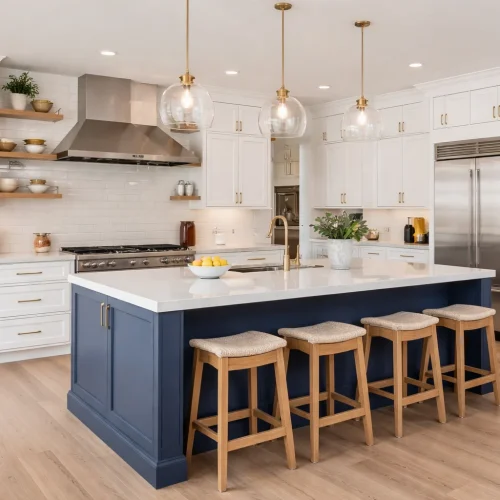
A kitchen, for example, obviously needs to be bright enough for tasks. But you can still create different brightness zones and tiers that keep the space practical but still comfortable to be in. You could install dimmable pot lights above the main prep zones while adding warmer, under-cabinet fixtures for the countertops.
This layered lighting approach helps you highlight specific colors and design features, letting you set the perfect mood for the space, no matter what you’re using it for.
Make Good Use of Mirrors
When you’re dealing with a confined space, mirrors can be an exceptionally useful tool, but only if you use them in the right way. They can be really helpful when trying to bring more brightness into a room and give an illusion that a space is much larger than it actually is.
To maximize the impact of any mirrors you place around the house, try to incorporate one single, larger mirror on a main wall in a frequently visited area like a living room. This same idea also works well for specific pieces of reflective furniture, like dressers or cocktail tables.
Whenever possible, try to position them directly opposite a window or very close to another light source. Doing this allows them to catch and bounce as much light as possible across the area, giving you the best possible results.
Picking the Right Color Palette
It might surprise you, but the color choices you make for every space in your home are quite important when trying to make those smaller spaces feel more open and inviting for yourself and guests. Fortunately, there are many smart ways you can use color to change the overall atmosphere you’re in without making any significant home renovation improvements.
When choosing color options for walls or larger furniture pieces, try to stick with lighter, more subdued shades like white, off-white, or subtle grey tones. These types of colors can be really great at reflecting light, which helps to brighten up a space and increases its perceived size in most cases.
Using a lighter base color arrangement throughout your home can also give you a better chance to make certain features throughout the home “pop” and add some individual character. When you create this neutral base, you’re able to add pieces of decorative art or wall accent colors that really stand out and become an excellent way to showcase your unique personality.
Get More Value From the Space You Have to Work With
You shouldn’t have to feel like your interior design ideas are being held back by the space you have to work with in your home. With the right approach, there is a wide range of improvements you can make, even with less square footage. By following the strategies discussed, you’ll add more functionality and character to your design layouts and get maximum value from every area of your property.

Author
Rebecca Denis is the Head of Interior Design at Revive Real Estate and an accomplished interior designer with over a decade of experience creating inspired, functional spaces. Known for her refined aesthetic and meticulous attention to detail, Rebecca brings creativity and strategy together to transform everyday interiors into meaningful experiences. She’s built a reputation for turning ideas into inspiring spaces that balance beauty, comfort, and function. Rebecca’s diverse portfolio includes commercial projects, curated show homes, and bespoke custom interiors—each reflecting her belief that thoughtful design can elevate how people live, work, and feel in a space.
FAQs
Modular furniture saves space by offering multiple functions in a single piece, giving you more flexibility in how you use each room.
Sofa beds, nesting tables, and fold-away desks are great options that maximize utility without taking up extra room.
Vertical storage frees up floor space while making the room feel taller, more open, and visually balanced.
Tall shelving units, wall-mounted shelves, and ceiling-height cabinets are all effective for expanding storage.
Layered lighting can make small spaces feel brighter, more open, and more comfortable by eliminating harsh shadows.
It’s the use of multiple light sources—like overhead lights, under-cabinet lighting, and accent lamps—to create depth and warmth.
Mirrors reflect both natural and artificial light, helping the room appear larger and more open.
Placing mirrors opposite windows or near light sources maximizes brightness and enhances the sense of space.
Light and neutral tones like white, cream, and soft grey help reflect light and visually expand the room.
Yes—using neutral base colors allows artwork or accent pieces to stand out without overwhelming the space.