That creaky step. That sagging doorframe. Small things that whisper, something’s off. If you’ve lived in an older home, you know the charm comes with quirks, and some of those quirks need fixing. Not with a wrecking crew, but with a few smart tweaks that make the structure stronger.
These updates don’t require blueprints or weeks of dust. They’re subtle, quiet upgrades that improve how the house works. They eliminate floor bounce and reduce movement underfoot. Doors glide open. Rooms stay warmer. You’ll notice the shift, even if no one else sees what changed.
Sealing Minor Foundation Cracks Before They Widen
You spot a crack near the base of the wall. It’s thin, but it wasn’t there last season. In older homes, this is common. Foundations shift. Temperature changes make materials expand and contract. Over time, small cracks open the door to bigger problems.
Water gets in. Cold air follows. Bugs find their way through. The fix doesn’t require a contractor or a permit. Simple upgrades and basic repairs can keep moisture out and stop the damage from spreading.
For peace of mind, walk the perimeter after heavy rain. If cracks spread or feel damp, address them early. A $20 repair today keeps the issue small, so you won’t need to rip up the basement floor later.
Securing Roof Framing That’s Starting to Shift
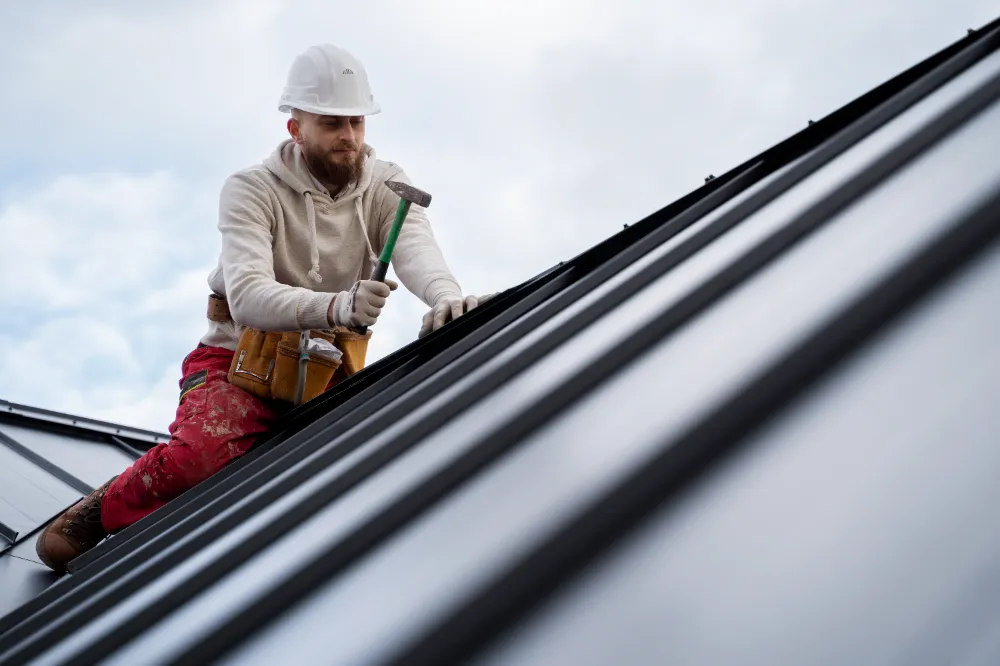
Time and weather wear down roof structures. In older homes, the wood framing can loosen or bow slightly. You might notice this through small changes, like a dip along the ridge, popped nails in the ceiling, or cracks where the ceiling meets the wall.
These aren’t signs you need a new roof. Often, the framing needs attention, not replacement. Reinforcing weak spots with metal brackets or sister rafters adds strength without altering the roofline. A few strategic fasteners can keep everything tight and stable.
If the damage has progressed, quick fixes might no longer be enough. When repairs fall outside of DIY work, it helps to bring in a team with structural and exterior experience. Companies like Noverra Exteriors can assess the framing and guide you through reinforcement options that prevent wider damage.
With professional roofing services, you also get a full picture of how the structure performs as a whole. A trained eye can catch early signs others might miss. That insight helps prevent larger repairs and protects the rest of the home from strain.
Adding Support to Sagging Door and Window Frames
Doors that drag and windows that stick are more than an inconvenience. In older homes, they often signal a slight shift in the structure. Over time, framing around openings can weaken, especially if moisture has crept in or the foundation has settled unevenly.
You don’t need to tear out the wall. Reinforcing the existing header or tightening the surrounding frame can realign the opening. Shims, brackets, and angled screws help redistribute pressure where it’s needed most. In many cases, that’s enough to get things square again without replacing the trim or the unit itself.
The fix is subtle, but the result is easy to spot. Squeaky doors quiet down. Windows glide instead of grinding. These small adjustments restore function and prevent long-term wear that comes from repeated sticking or dragging.
Reinforcing Floor Joists Without Pulling Up the Floorboards
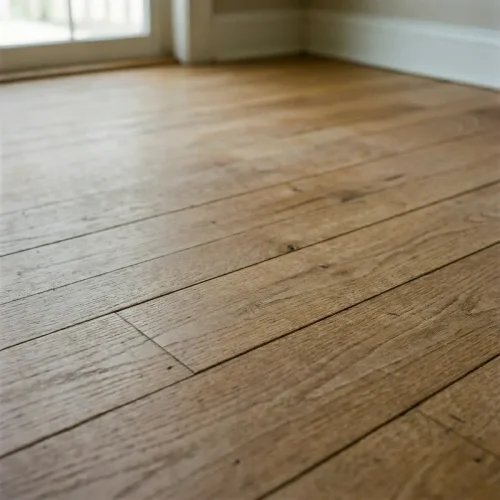
Older homes often have floors that bounce, creak, or sag in certain spots. You might think it’s part of the charm, but those soft spots usually come from weakened joists under the surface. Over time, wood dries, shrinks, or shifts slightly, which leads to movement underfoot.
You don’t need to remove the flooring to solve this. Adding support from below can make a real difference. In most cases, access through the basement or crawlspace lets you add blocking or sister joists alongside the originals. It’s a focused fix that stiffens the floor without major disruption.
This type of reinforcement helps distribute weight evenly. It reduces squeaks and stops furniture from wobbling. You’ll notice fewer dips and less flex when you walk across the room. It’s a solid upgrade with a light footprint.
Tightening Loose Staircase Framing
Old staircases tend to creak, shift, or even wobble over time. It often starts with a loose tread or a faint squeak. Beneath the surface, the framing that supports each step can slowly pull apart at the joints.
You don’t need to rebuild the stairs. In many homes, you can access the framing from below, through a basement or crawlspace. With screws, brackets, or wood blocks, you can lock the structure back into place and stop the movement.
Once reinforced, the change is clear. Each step is firm underfoot. The usual groan from the fourth stair disappears. These small fixes make stairs safer and more comfortable with minimal effort.
Bracing Weak Points in Attics and Eaves
Attics in older homes often show signs of stress. You might see cracked rafters, bowed boards, or joints that have pulled slightly apart. These spots rarely need full replacement, but they do benefit from added support before problems grow.
You can brace these weak points with metal ties or wood blocks. It’s a quiet fix that adds strength without removing anything. Most of the work happens in tucked-away corners where small shifts tend to start. Once braced, the structure handles weight and movement more evenly.
This kind of update prevents future sagging and reduces strain on ceilings below. It also helps when adding insulation or storing items up there. A few braces go a long way toward protecting the space.
Stabilising Wobbly Porch Columns or Railings
A shaky porch column or loose railing might seem minor, but it signals more than age. These features support weight and resist movement. When they shift, they can pull other parts of the structure with them, especially during storms or cold snaps.
The good news is you don’t have to replace the entire porch. Refastening base plates, replacing rusted anchors, or adding new brackets can secure columns and rails quickly. Most of the work stays localised and doesn’t require rebuilding or reshaping anything.
Once reinforced, the entry becomes more secure. Posts stay straight. Rails don’t wiggle when leaned on. These subtle changes protect the porch from further wear and help preserve its original character.
Wrapping Up
You don’t have to tear things apart to make an older home better. Fix a stair. Tighten a frame. Add support where it’s needed. Each update makes daily life smoother. Doors stop sticking. Floors stop shifting. The house works with you instead of against you. It doesn’t take much. These small changes bring the kind of comfort you notice every time you walk through the door.
FAQs
Yes, minor reinforcements can prevent larger issues, improve safety, and extend the life of an older home without major renovations.
Not always. Hairline cracks are common in older homes and often just need sealing to prevent moisture and further expansion.
In many cases, yes. Reinforcing the framing or adjusting the header can realign doors and windows without removing them.
Some movement is common, but excessive bounce usually means weakened joists that can be reinforced from below.
Most minor structural fixes do not require permits, but local regulations vary, so it’s wise to check before starting.
If you see spreading cracks, major sagging, or ongoing movement, a professional assessment is the safer option.
Yes, adding braces or ties in attics reduces strain on rafters and ceilings, helping prevent sagging over time.
They can be. Creaking often indicates loose framing, which should be tightened to improve stability and safety.
When done correctly, many of these fixes last decades and significantly slow further structural wear.
Most changes are hidden, so they strengthen the home without altering its original look or character.