If you’ve ever worked at a tiny desk, you know the struggle. I’ve had setups so small that opening a textbook felt like playing a complicated puzzle game. But something surprising happened as I learned to adapt to those cramped spaces: I discovered that a small desk can actually be incredibly efficient and even cozy when organized intentionally. Some of my most productive days happened at desks barely big enough for a laptop and a mug of coffee. That’s when I realized that productivity isn’t about size it’s about thoughtful setup. When you organize a small desk well, it transforms into a calming, focused, and deeply personal little workspace you actually enjoy sitting at.
Decluttering Without the Guilt
Decluttering gets a bad reputation it sounds like a chore, something that strips away personality. But when your desk space is limited, decluttering becomes something much more empowering. I like to clear everything off the desk first, giving it a chance to “reset.” Seeing a blank surface always makes me breathe easier. Then, instead of purging everything, I slowly bring back only the items I use every single day. Everything else gets stored somewhere else in the room. This simple approach turns decluttering from a stressful task into a peaceful refresh. And it matters more than people think research on how clutter affects the brain even connects to how humans respond to environmental distractions, something I once stumbled upon while reading about circadian disruption on a U.S. government site. A clear desk really does support a clearer mind.
Using Vertical Space to Your Advantage
One of the best discoveries I’ve made while living in small rooms is that vertical space is a secret superpower. When you can’t expand outward, expanding upward becomes the smartest move you can make. Pegboards, shelves, wall-mounted racks, and small hooks instantly multiply the available room around your desk. I’ve turned the wall behind my desk into a whole storage and display area without making the surface feel crowded. A pair of headphones, a few notebooks, even small gadgets everything finds a home. Suddenly the desk looks neat, and the wall becomes a helpful extension of your workspace. It’s like discovering a bonus level you never knew existed.
Keeping the Desktop Minimal but Personal
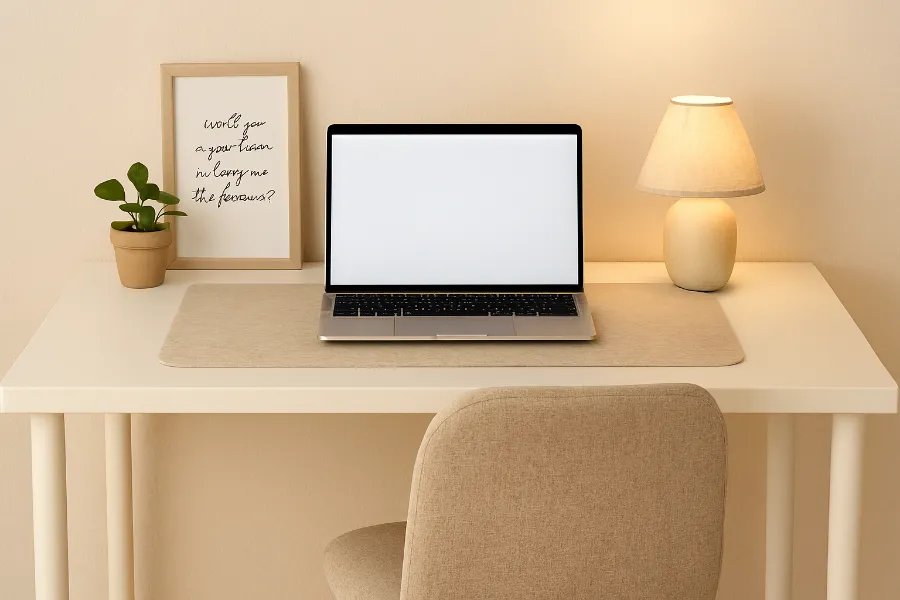
A small desk becomes overwhelming fast when too many items sit out. What I’ve learned is that minimal doesn’t mean boring or sterile. It just means being selective. I keep my laptop, a notebook, a slim pen cup, and a small lamp on the desk. Then I add one small personal touch usually a tiny plant or a framed photo. That one piece of personality balances everything out. A clean desk with one meaningful detail feels warm and intentional, not empty. It ends up becoming a tiny sanctuary where focusing feels natural instead of forced.
Finding Organizers That Actually Fit
Not all desk organizers are made with small spaces in mind. I’ve bought organizers in the past that overpowered the desk entirely. The trick is choosing slim, compact organizers that enhance not shrink your workspace. Narrow pen cups, small document stands, compact desk trays, and tiny under-monitor shelves are perfect for keeping essentials neat without swallowing the desk whole. Even inside a drawer, small dividers can turn chaos into order. The goal is to help the desk feel open, not boxed-in.

The Power of Good Lighting
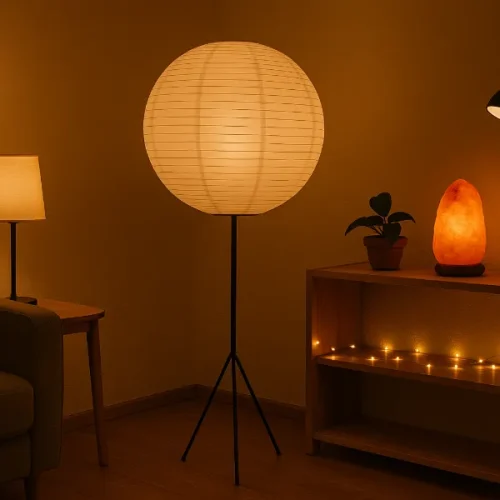
I never understood the impact of good lighting until I worked in a dim, cramped corner with a giant lamp that took up half the desk. After switching to a slim LED lamp and adding soft ambient lighting, the desk suddenly felt twice as big. Lighting has a real effect on how we experience small spaces. Warm, soft light makes the space feel cozy, while bright white light keeps you alert during intense study sessions. Sometimes I add an LED strip under a wall shelf just for ambience. Lighting plays a bigger role in comfort than we realize, something I learned after reading about chromatic adaptation a deeper concept in visual perception from Wikipedia. Even subtle shifts in lighting can completely change how a space feels.
Cable Management That Keeps You Sane
Small spaces expose mess instantly, especially cable clutter. A tiny desk with tangled wires always feels chaotic, even when everything else is neat. For my own desk, organizing cables was the turning point that finally made the space feel “finished.” Keeping chargers clipped behind the desk, bundling long wires with velcro straps, and hiding the power strip inside a small cable box all make the desk look more open. Once the cables disappear, the surface instantly feels more spacious and peaceful.
Creating Zones on the Desk
Even on a tiny desk, zoning makes workflow easier. I like to put my notebook and writing essentials on one side, keep my laptop centered, and place my lamp and drink on the opposite side. Creating these little zones helps my brain switch between writing, typing, and reading. Even though the zones are small, they make transitions smoother and keep everything from blending into one cluttered mess. Having tiny “assigned areas” stops items from drifting around which is the most common reason small desks get messy.
Treating the Drawer as a Lifeline
If your desk has a drawer, treat it with respect it’s one of the most powerful tools in a small-space setup. A drawer can store all the items that would normally clutter your tabletop. But the real magic happens when you organize it well. I use small dividers to keep pens, sticky notes, charging cables, and other tools separated. Opening a drawer and seeing everything neatly arranged feels surprisingly calming. A well-managed drawer keeps the surface clear and helps the whole desk feel more functional.
Bringing in a Rolling Cart or Side Storage
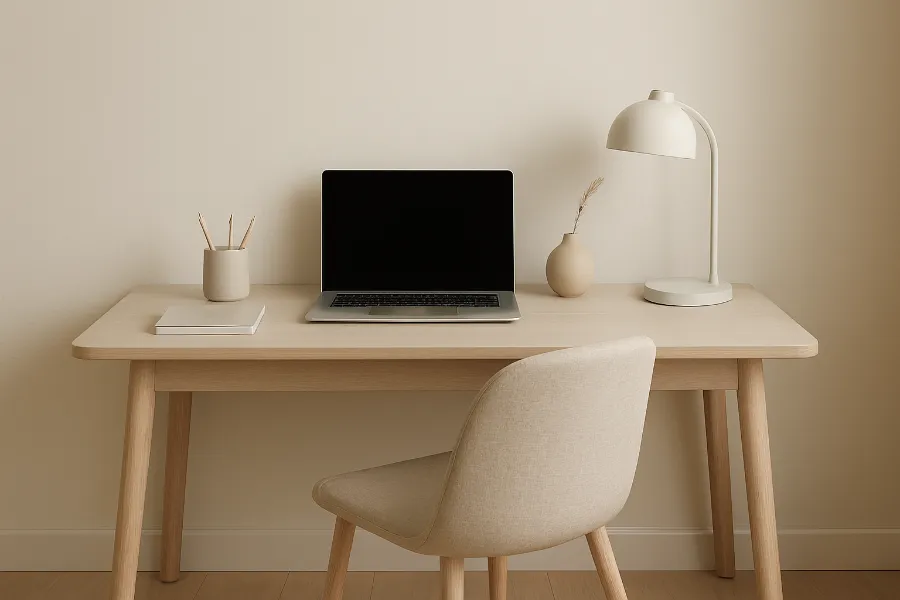
Sometimes a small desk needs backup. Rolling carts are the perfect sidekick for tight study areas. They offer layers of storage without crowding the workspace itself, and the best part is that they move. When you need extra legroom, you simply roll the cart away. I’ve used them to store books, planners, stationery, and even a small printer. Slim side tables or narrow shelving units work the same way, extending your study area without cluttering the desktop.
Keeping Only What You Need Within Reach
One of the hardest but most important habits I’ve developed is keeping only what I truly need on the desk during a study session. Everything else gets stored away. This keeps the space from feeling suffocating. If you only keep what you’ll use in the next hour, the desk stays neat effortlessly. This simple rule prevents clutter from building up in the first place.
Choosing Multi-Purpose Tools
Because small spaces demand creativity, multi-purpose items are lifesavers. From lamps with built-in storage to monitor stands with drawers, multitasking items reduce how much you need to keep around. Even a desk mat that doubles as a mouse pad helps consolidate space. These clever items prevent clutter and keep the setup feeling clean and intentional.
Keeping the Color Palette Calm
A small space can visually shrink when too many colors compete. A limited color palette makes even a tiny desk feel calm and open. I like to stick to soft neutrals or matching tones, which helps reduce the feeling of busyness. Even though it sounds simple, color harmony plays a massive role in how tidy a space feels. When everything looks unified, the desk appears more organized before you’ve even touched anything.
Making Desk Resets Part of Your Routine
The secret to keeping a small desk tidy is building a quick two-minute reset into your daily routine. Every night, I put pens away, stack notebooks, throw out trash, and wipe the surface. This habit keeps clutter from slowly creeping in. Because a small desk has no room for buildup, these tiny resets make all the difference in how fresh the workspace feels each morning.
Adding Comfort and Personality
Even in the smallest spaces, comfort matters. A cozy desk mat, a soft lamp glow, a tiny plant, or a framed quote can transform a plain desk into an inviting, personal corner. Studying feels completely different when your desk feels like a space made for you. Personal touches don’t have to be big they just need to make you smile when you sit down.
Giving Yourself Enough Legroom
One thing people forget about small desk setups is legroom. Even the best-organized desk becomes uncomfortable if the space under it is cramped. Keeping the floor clear helps your posture, comfort, and focus. When your legs have enough space, the whole desk feels more usable. A small detail like this can completely change how long you can comfortably sit and study.
Final Thoughts
A small study desk doesn’t limit your productivity it just challenges you to be more intentional with your space. With the right organization strategies, your tiny desk can become a focused, cozy, and inspiring corner you actually enjoy sitting at. Over time, you’ll realize that what matters most isn’t the size of the desk but how well it supports your mind, your habits, and your sense of calm. With a few small adjustments and a little creativity, even the smallest desk can become the most powerful study spot you’ve ever had.
FAQs
Keep only daily essentials on the surface and store everything else vertically or in drawers.
Install shelves, pegboards, or wall grids to hold books, supplies, and décor without using desk space.
Use small dividers or trays to separate pens, cables, sticky notes, and other items so nothing piles up.
One or two simple décor pieces like a small plant or frame add personality without overwhelming the desk.
Compact LED lamps, clip-on lights, or under-shelf strip lighting brighten the space without using surface area.
Use cable clips, Velcro straps, and cable boxes to hide or bundle wires neatly behind or under the desk.
Yes rolling carts add extra storage next to the desk while keeping the surface free for studying.
Use multi-purpose items like monitor stands with drawers or lamps with built-in organizers.
Light, neutral, or cohesive color palettes create a visually calm space that feels larger.
A quick 2–3 minute nightly reset keeps clutter from building up and helps maintain a tidy workspace.