Creating a more eco-friendly home doesn’t have to mean tearing everything down and starting over. In fact, small, thoughtful changes often make the biggest difference over time. When you focus on improving how your home functions — not just how it looks — sustainability becomes part of your everyday routine.
If making your space a little greener feels overwhelming, start simple. A few practical adjustments can reduce waste, lower energy use, and create a healthier environment for your family.
Start with What You Already Have
Before bringing in anything new, take a look around. Many eco-friendly improvements begin with using what’s already in your home more intentionally.
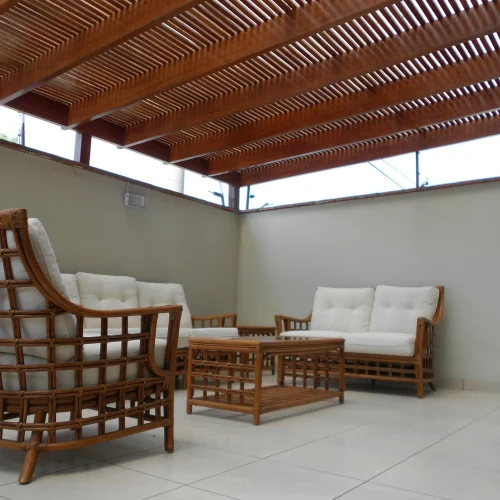
Rearranging furniture to maximize natural light can reduce the need for artificial lighting during the day. Swapping out heavy drapes for lighter window treatments allows sunlight to warm rooms naturally in cooler months. Even something as simple as sealing small air leaks around windows and doors can make your home more energy efficient without a major project.
Sustainability often begins with maintenance and thoughtful use, not purchases.
Upgrade Materials in Small, Practical Ways
When it is time to update a space, focus on materials and finishes that are durable and low-impact. Choosing long-lasting materials means fewer replacements down the road, which reduces waste over time.
For example, repainting with low-VOC paint improves indoor air quality. Installing water-saving fixtures in kitchens and bathrooms conserves water without changing your daily routine. Replacing outdated lighting with LED options reduces energy use and maintenance since they last significantly longer than traditional bulbs.
If you’re planning small updates, exploring eco-friendly home improvement ideas can help you prioritize improvements that balance function, style, and environmental responsibility. Many upgrades are simple enough to complete in phases, allowing you to improve your home steadily rather than all at once.
Rethink Storage and Organization
Clutter can quietly contribute to waste. When items are disorganized, it’s easy to forget what you already own and buy duplicates unnecessarily. Creating organized systems helps reduce overconsumption.
Start by decluttering room by room. Donate or responsibly recycle items you no longer use. For belongings you want to keep but don’t need daily — such as seasonal décor, keepsakes, or off-season clothing — consider moving them out of your main living areas.
In some situations, renting a self-storage unit can help if you’re downsizing, renovating, or simply trying to create a more intentional home environment. The key is selecting a space that is clean, secure, and appropriately sized so you aren’t holding onto more than you need. Thoughtful storage solutions allow your home to function more efficiently without feeling overcrowded.
Focus on Energy Habits, Not Just Equipment
While new appliances and upgrades can improve efficiency, daily habits matter just as much.
Turning off lights when leaving a room, washing clothes in cold water, and running full dishwasher loads are small actions that add up. Adjusting your thermostat a few degrees seasonally can reduce energy use without sacrificing comfort. Ceiling fans can also help circulate air effectively, allowing you to rely less on heating and cooling systems.
Sustainable living works best when it becomes routine rather than a one-time project.
Choose Quality Over Quantity
One of the simplest eco-friendly shifts is buying fewer, better things. Whether it’s furniture, décor, or household tools, investing in well-made items reduces the cycle of constant replacement.
When something breaks, consider repairing it before replacing it. Reupholstering a chair or refinishing a table can extend its life for years. These decisions not only reduce landfill waste but also preserve the character of your home.
A thoughtful purchasing mindset often leads to a calmer, less cluttered space — and a lighter environmental footprint.
Create Healthier Indoor Spaces
An eco-friendly home isn’t just about conserving resources; it’s also about supporting well-being. Indoor air quality, natural light, and non-toxic materials all contribute to a healthier atmosphere.
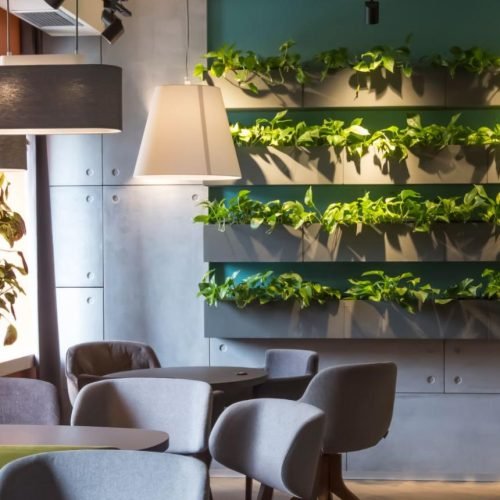
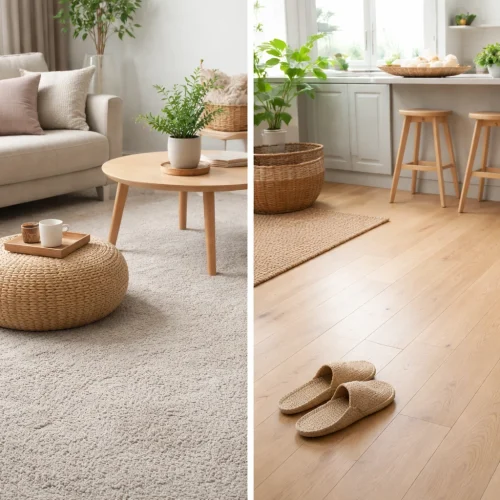
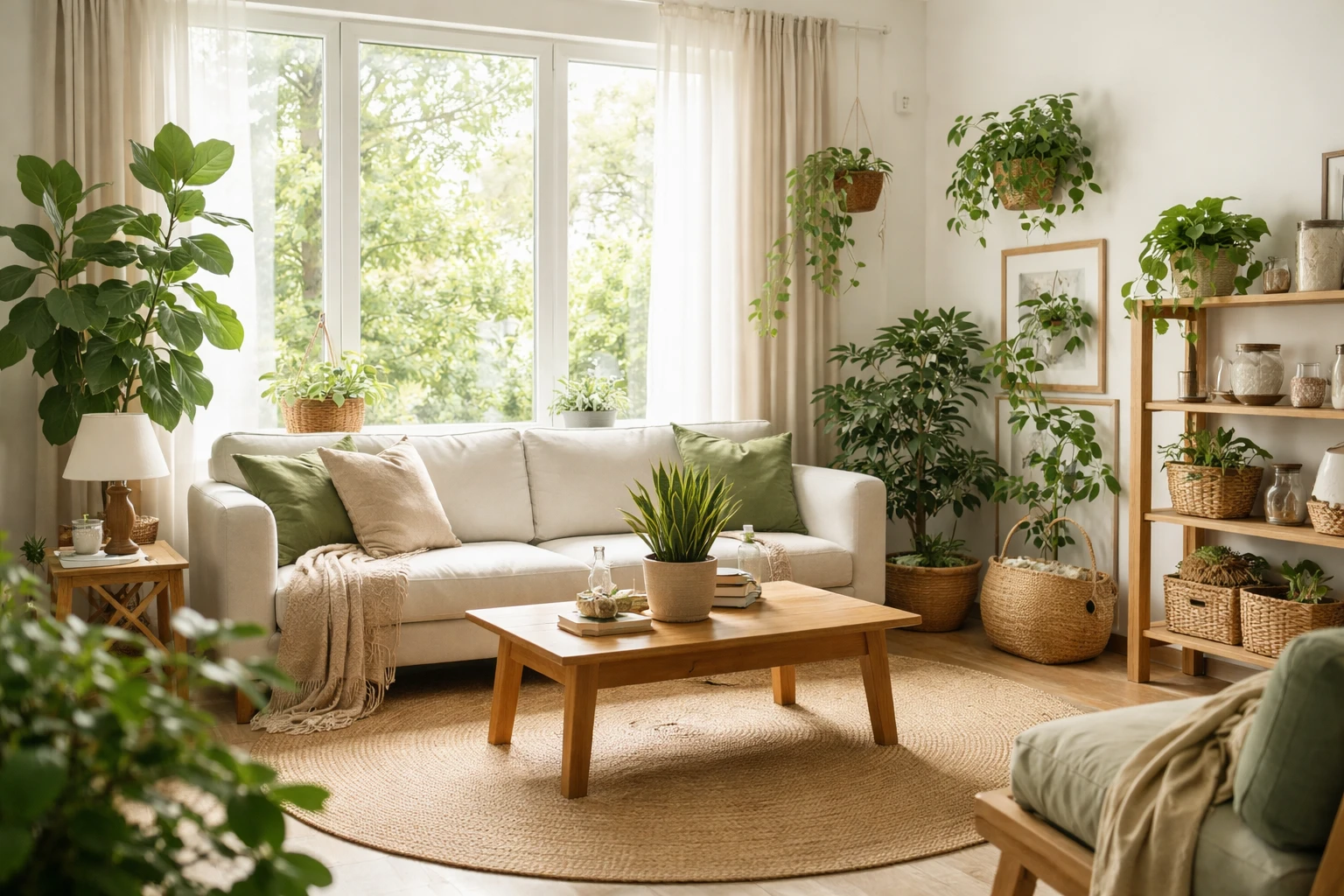
Houseplants can naturally freshen a room and improve its feel. Choosing natural fiber rugs and furnishings reduces synthetic materials indoors. Regularly replacing HVAC filters and maintaining ventilation systems keeps air circulating cleanly.
Even small changes, like switching to reusable cleaning cloths or choosing gentle cleaning products, can reduce both waste and chemical exposure in your home.
Make Progress, Not Perfection
Sustainability doesn’t require a complete lifestyle overhaul. It’s a gradual process of making better choices when opportunities arise. A fresh coat of low-VOC paint this year, improved storage next season, and a few mindful purchasing decisions along the way can transform your home over time.
The goal isn’t perfection. It’s creating a space that supports your family, respects resources, and feels peaceful to live in. By approaching updates thoughtfully and focusing on practical improvements, you can build a home that feels lighter, more efficient, and better aligned with the way you want to live.
FAQs
Begin with simple habits like reducing energy use, sealing air leaks, and using natural light more often. Small daily changes can gradually make your home more eco-friendly.
No, many improvements are inexpensive, such as switching to LED bulbs, fixing drafts, or adjusting energy habits. These small steps often save money over time.
Maximizing natural light reduces the need for artificial lighting during the day. Rearranging furniture or using lighter curtains can help sunlight reach more areas of your home.
LED lights use significantly less electricity and last much longer than traditional bulbs. This reduces both energy consumption and replacement waste.
Low-VOC paint contains fewer volatile organic compounds, which can improve indoor air quality. It’s a healthier option for both your home environment and the planet.
Decluttering helps you keep track of what you own and avoid buying unnecessary duplicates. It also allows you to donate or recycle items responsibly.
Yes, habits like turning off lights, washing clothes in cold water, and running full dishwasher loads can significantly reduce energy use over time.
Houseplants can improve indoor air quality and create a healthier atmosphere. They also add natural beauty without relying on synthetic décor.
High-quality items last longer and reduce the need for frequent replacements. This helps cut down on waste and lowers overall consumption.
No, sustainability is about gradual improvements. Small changes made over time can transform your home into a more eco-friendly space without major renovations.