Few things disrupt a comfortable home faster than an unexpected pest problem. One week, your kitchen feels spotless, and the next, you notice a trail of ants along the counter or scratching sounds in the attic. These issues are more than minor annoyances. Pests can contaminate food, damage insulation, chew wiring, and trigger allergies. Over time, even small infestations can lead to expensive repairs and ongoing frustration.
Seasonal changes make the problem worse. In places like Muncie, Indiana, where residents experience humid summers and cold winters, pests adjust their behavior throughout the year. Spring warmth encourages insects to breed, while falling temperatures push rodents and spiders indoors in search of shelter. That cycle repeats every year, which is why prevention has to be consistent, not reactive.
Why Sealing Your Home Is Harder Than It Looks
Most homes look solid and secure from the outside. However, small gaps exist around window frames, siding seams, roof vents, and utility lines. Insects can slip through openings as thin as a credit card, and young mice can squeeze through holes the size of a dime. Even well-maintained homes develop minor cracks over time as materials expand and contract with changing temperatures.
You can improve your defenses by applying fresh caulk, replacing worn weatherstripping, and installing tight-fitting door sweeps. These upgrades reduce obvious entry points and can even improve energy efficiency. Still, achieving a perfectly sealed structure is difficult without specialized tools and experience. If you are looking for pest control Muncie has many experienced professionals who can evaluate your home and recommend the right solution for your needs.
Identifying and Securing Common Entry Points
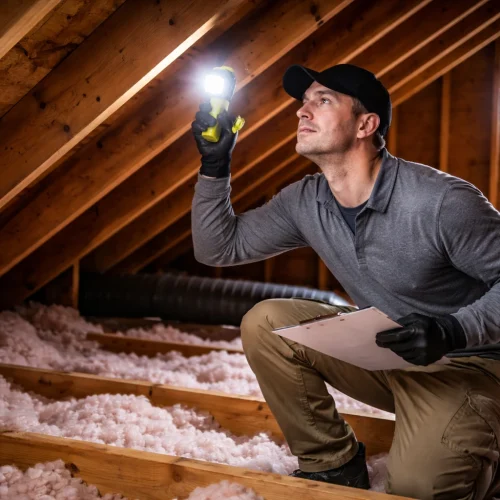
If you want to stay ahead of pests, start with a careful inspection of your home’s exterior. Look closely at foundation cracks, gaps where pipes enter the house, damaged siding panels, and loose flashing near the roofline. Garage doors and attic vents also deserve attention, since they often develop small openings that go unnoticed for months.
Inside the home, check basements, crawlspaces, and utility rooms for light peeking through gaps. Replace torn window screens and repair damaged door sweeps promptly. These simple corrections make a measurable difference. When you routinely inspect and address these areas, you reduce the chance that pests will find an easy way inside and settle in for the season.
Landscaping Choices That May Be Attracting Pests
Your yard plays a bigger role in pest control than most people realize. When mulch sits directly against the foundation, it traps moisture and creates a comfortable nesting area for insects. Keeping a small gap between mulch and your home’s exterior helps reduce that risk. Trim shrubs and bushes regularly so they do not press against siding or windows.
Standing water also invites trouble. Clogged gutters, poorly draining soil, and forgotten containers collect water that attracts mosquitoes and other insects. Make it a habit to check drainage after heavy rain. When you control moisture and plant growth around your home, you reduce the number of pests that linger near entry points.
Seasonal Shifts: What to Watch for in Spring vs. Fall
Spring brings a noticeable increase in insect activity. As temperatures rise, ants begin searching for food, and termites may swarm as part of their reproductive cycle. Early detection matters, so watch for small dirt trails, discarded wings near windows, and sudden increases in indoor insect sightings.
Fall creates a different challenge. Rodents, spiders, and overwintering insects look for warmth as outdoor temperatures drop. You may notice more activity near attics, garages, and basements. This is the time to double-check seals, inspect storage areas, and make sure exterior gaps remain closed before pests settle in for winter.
Kitchen Sanitation Habits That Deter Pantry Pests
The kitchen often becomes the first target for insects because it offers easy access to food. Dry goods such as flour, cereal, rice, and pet food should always be stored in airtight containers. Thin cardboard and plastic packaging do little to stop determined pantry pests.
Regular cleaning makes a major difference. Wipe counters daily, sweep floors often, and clean behind appliances where crumbs collect. Avoid leaving dirty dishes overnight. Schedule quick pantry checks every few months to discard expired products and look for signs of contamination. Consistent habits create an environment that pests find less inviting.
The Hidden Dangers of Moisture in Basements and Crawlspaces
Moisture problems often start quietly. A small leak, poor ventilation, or inadequate drainage can create damp conditions in basements and crawlspaces. Many pests thrive in these environments, including silverfish and termites. Left unaddressed, moisture can also damage wood framing and insulation.
Inspect these areas several times a year. Make sure downspouts direct water away from the foundation and confirm that sump pumps function properly. Consider using a dehumidifier during humid months to maintain balanced moisture levels. When you control damp conditions, you remove one of the key factors that attracts pests to hidden areas of your home.
Natural Deterrents vs. Professional Barrier Treatments
Natural deterrents such as essential oils, vinegar-based cleaners, and diatomaceous earth can help reduce minor insect activity. These solutions work best as short-term measures or as part of a broader prevention plan. They require consistent application and may not stop larger infestations. Homeowners should view them as supportive tools rather than complete solutions.
Professional barrier treatments provide a more structured defense. Technicians apply targeted products around the perimeter and monitor seasonal pest patterns. This approach helps prevent pests from entering living spaces. Combining good home maintenance habits with scheduled inspections offers a stronger, longer-lasting strategy that adapts to changing conditions.
A Practical Path to a Bug-Free Home
Keeping your home bug-free requires steady attention rather than one-time fixes. Secure entry points, maintain your yard, adjust for seasonal changes, practice strong kitchen hygiene, and manage moisture in lower levels. Each step supports the others. Consistency is what turns small preventive actions into meaningful results.
When you stay proactive, you protect your home’s structure and create a healthier indoor environment. A well-maintained home feels more comfortable, more predictable, and far less stressful throughout the year. Over time, these habits also help preserve your property value and reduce the likelihood of costly repairs.
FAQs
Pests often move indoors when outdoor conditions change. Warmer weather increases breeding activity, while colder temperatures push insects and rodents to seek shelter inside.
Small gaps around windows, doors, roof vents, siding seams, and utility lines are common entry points. Even tiny cracks can allow insects and small rodents to enter.
Many insects can slip through openings as thin as a credit card, and young mice can fit through holes about the size of a dime.
A thorough inspection at least twice a year—typically in spring and fall—helps catch small gaps before pests take advantage of them.
Yes, dense shrubs, mulch against the foundation, and standing water can create ideal hiding and breeding areas for insects.
Store dry foods in airtight containers, clean crumbs regularly, and avoid leaving dirty dishes overnight to reduce food sources for pests.
These spaces often have higher moisture levels, which attract pests like termites, silverfish, and other insects that thrive in damp environments.
Natural solutions like essential oils or diatomaceous earth may help with minor pest issues, but they usually work best alongside broader prevention strategies.
Professional help is useful when infestations persist, when pests repeatedly return, or when homeowners want long-term prevention treatments.
Consistency is key—regular inspections, sealing gaps, managing moisture, and maintaining cleanliness all work together to prevent pest problems.