Why Preventive Maintenance Matters in Every Home
Many homeowners spend time improving the appearance of their homes through decorating projects, furniture updates, and seasonal refreshes. While these upgrades certainly make living spaces more enjoyable, the systems that operate behind the walls are just as important. One of the most essential systems in any house is the plumbing infrastructure that delivers clean water and removes wastewater every day.
When plumbing systems work properly, they are rarely noticed. However, even small issues can quickly grow into larger problems if they are ignored. A minor leak beneath a sink, a slow drain in the shower, or unusual noises in pipes may seem insignificant at first. Over time, though, these warning signs can lead to expensive repairs, water damage, or mold growth.
Preventive maintenance is one of the simplest ways homeowners can protect their property. By paying attention to early warning signs and performing small routine checks, it is possible to keep plumbing systems functioning efficiently for many years.
Small Plumbing Issues That Should Never Be Ignored
Many plumbing problems begin quietly. Because pipes are often hidden behind walls, under floors, or inside cabinets, homeowners may not immediately notice that something is wrong. Recognizing the early signs of plumbing trouble can help prevent major damage later.
Some common indicators that plumbing systems need attention include:
- water pressure suddenly becoming weaker
- slow draining sinks or bathtubs
- dripping faucets that continue after being turned off
- damp spots beneath sinks or around appliances
- unusual gurgling sounds coming from drains
These issues may appear minor, but they often signal underlying problems such as pipe corrosion, partial clogs, or worn seals in plumbing fixtures. Addressing them early can save homeowners significant time and money.
In older homes especially, pipes may have been installed decades ago and could be nearing the end of their lifespan. Regular inspection of exposed plumbing connections can help identify potential risks before they escalate.
Easy Maintenance Tips Every Homeowner Can Follow
Fortunately, many plumbing issues can be prevented with simple maintenance habits. Homeowners do not need advanced tools or specialized knowledge to perform basic checks around the house.
A few helpful practices include:
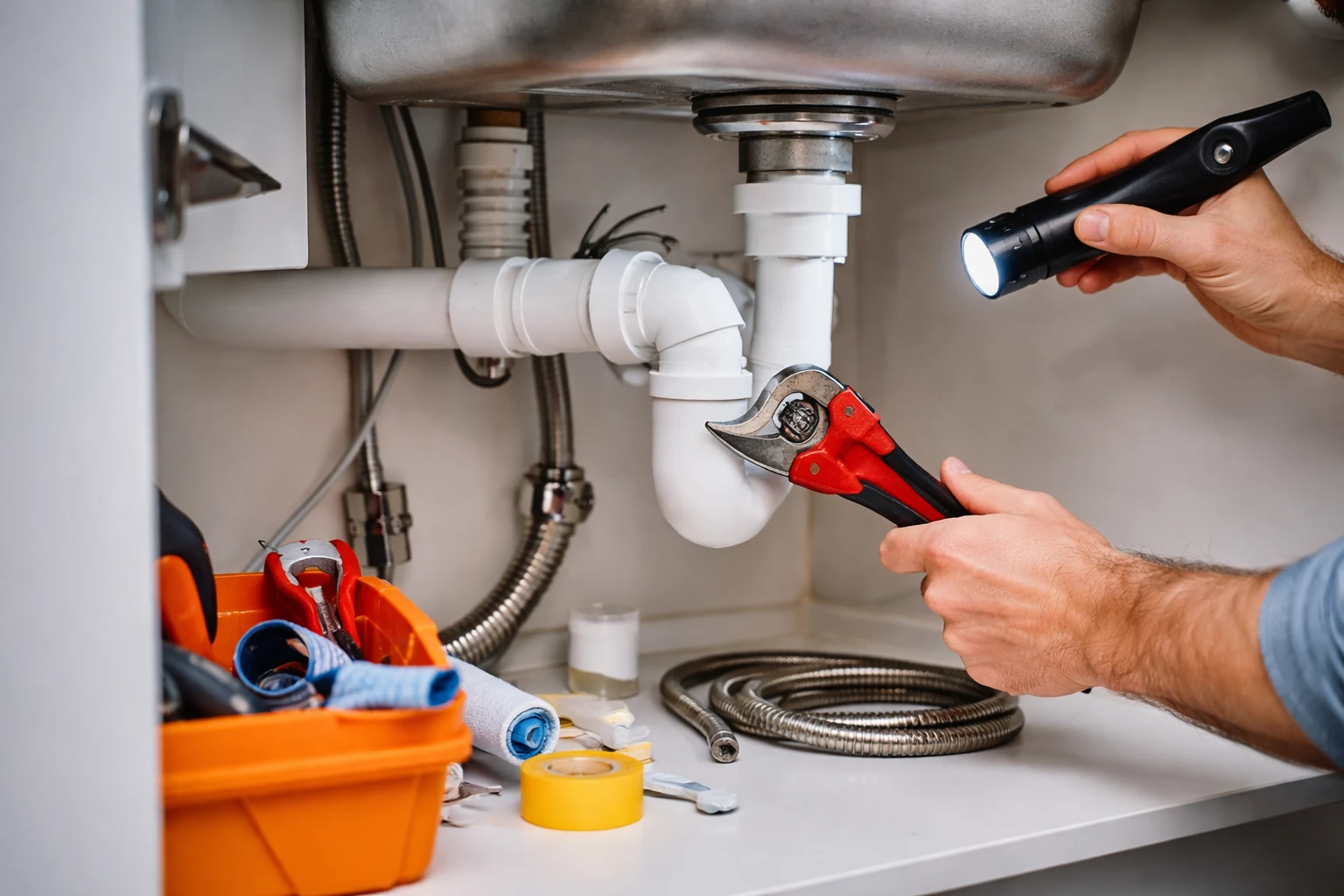
- Regularly checking under sinks for signs of moisture or small leaks.
- Cleaning sink strainers and drain covers to prevent debris from building up.
- Avoiding pouring grease or food scraps down kitchen drains.
- Flushing drains with hot water occasionally to remove residue buildup.
- Monitoring water pressure to ensure it remains within a safe range.
These small habits can significantly reduce the likelihood of unexpected plumbing emergencies. Preventive care is always easier and more affordable than emergency repairs after a major leak or burst pipe.
When Professional Help Becomes Necessary
Although many small maintenance tasks can be handled by homeowners, some plumbing issues require professional expertise. Hidden leaks, damaged pipes, or persistent clogs deep within a drainage system often require specialized equipment to diagnose and repair properly.
Professional plumbers use advanced tools such as inspection cameras and leak detection equipment to locate problems without unnecessary demolition. Their experience allows them to identify the root cause of plumbing issues and recommend effective long-term solutions.
Homeowners researching local plumbing professionals or exploring available repair services can learn more here about common residential plumbing solutions and how experienced technicians address issues that may arise in modern homes.
Maintaining Comfort and Protecting Property Value
A reliable plumbing system plays an essential role in everyday comfort. Clean water, effective drainage, and consistent water pressure are all necessary for normal daily routines such as cooking, cleaning, bathing, and laundry.
Beyond convenience, proper plumbing maintenance also helps protect property value. Water damage can affect structural materials, flooring, cabinetry, and drywall. Preventing leaks and maintaining pipes reduces the risk of costly repairs that may occur if plumbing problems go unnoticed.
By combining simple maintenance habits with occasional professional inspections, homeowners can keep their plumbing systems operating efficiently and avoid many common household problems. Over time, this proactive approach helps create a safer, more comfortable living environment while preserving the long-term value of the home.
FAQs
Homeowners should visually inspect exposed pipes, faucets, and drains at least once a month to catch small issues before they become serious problems.
Weak water pressure, slow drains, dripping faucets, damp spots, and unusual pipe noises are often early indicators of plumbing trouble.
Grease can solidify inside pipes, leading to stubborn clogs that restrict water flow and eventually cause drainage backups.
Yes, even minor leaks can lead to water damage, mold growth, and structural issues if they continue unnoticed over time.
Frequent use of chemical cleaners can damage pipes, so it’s better to rely on drain strainers, hot water flushing, and mechanical cleaning methods.
Using drain covers to catch hair and soap residue is one of the easiest ways to prevent bathroom drain blockages.
If leaks persist, drains clog repeatedly, or water pressure drops significantly, it is best to contact a licensed plumber for inspection.
Yes, older homes often have aging pipes that may corrode or weaken over time, making regular inspections especially important.
Preventing leaks and water damage helps preserve flooring, walls, and structural materials, which maintains the overall value of the home.
Absolutely. Routine checks and simple habits can prevent major plumbing failures, saving homeowners from expensive emergency repairs.