Home safety isn’t just about locks and alarms (and yes, security systems), it’s also about being prepared and organized. Families often fail to ensure that necessities like IDs, emergency contact numbers and everyday tools are kept in visible, accessible locations. In some easy DIY moves, you can have a safer and more organized home to give peace of mind for everyone in the family.
Convenient Visible ID Access storage
In emergencies, time matters. Whether it’s a rush to the hospital, scooping up children from school or evacuating quickly during a power outage, not fumbling for IDs and passes could save precious minutes.
DIY solutions include:
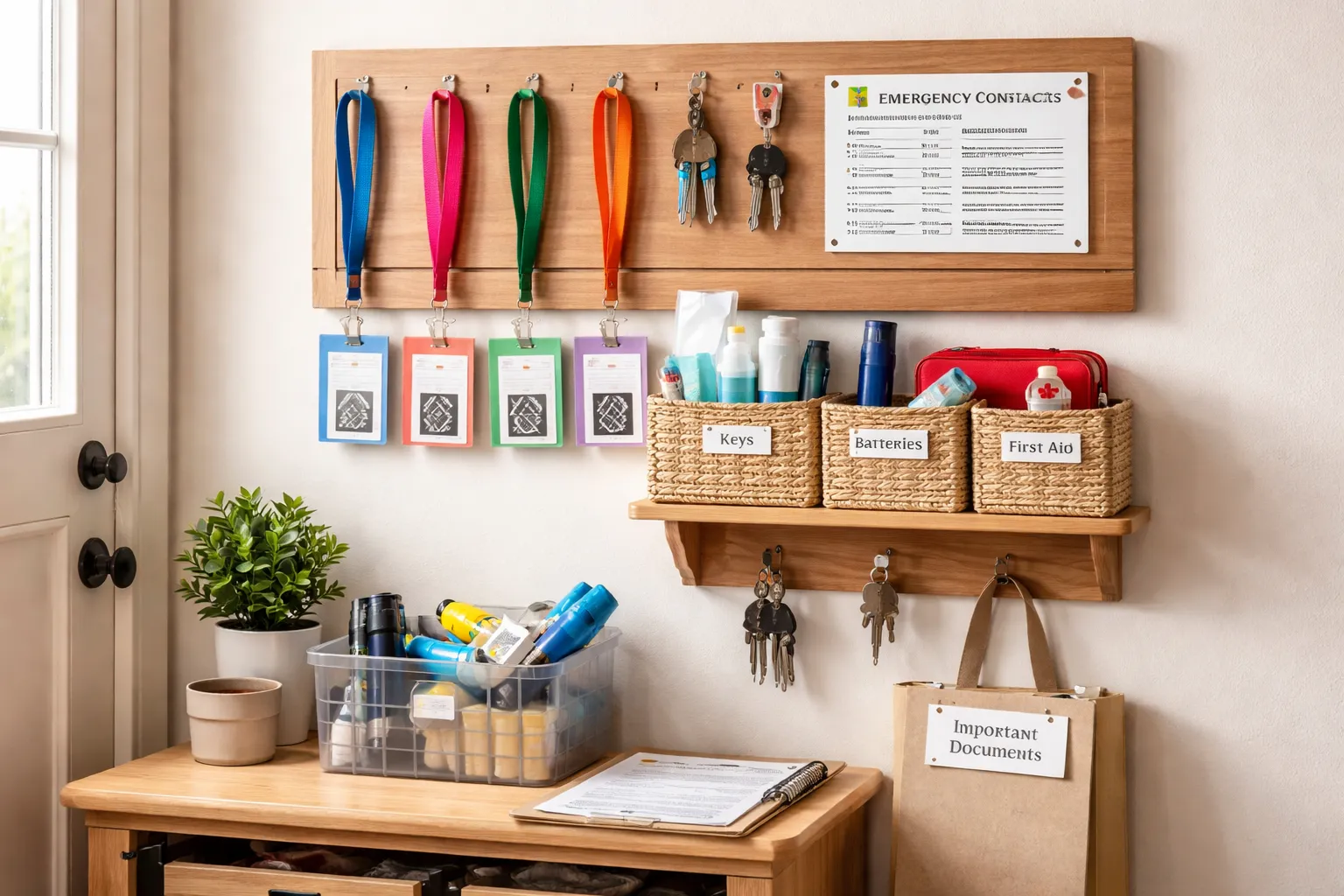
- Using wall-mounted hooks near the entrance for lanyards and badges.
- Small baskets or trays designated for each family member’s essentials.
- Hanging pegboards or magnetic strips to store keys and ID holders.
Not only does this ensure items remain visible, it also helps children learn responsibility by giving them a specific place to return their IDs.
Emergency Contact Cards – A Must-Have For Families
Contact emergency cards are such a simple, yet powerful tool. They keep essential information — phone numbers, addresses, medical information — close at hand when it counts.
DIY ideas:
- Make laminated cards with emergency contacts, medical information.
- Put extra copies in wallets, backpacks and a centralized home location.
- Keep cards visible and convenient to handle with lanyards or name badge holders.
- The fact that children are doing it is also a way of ensuring that, they too, know where to find help.
Storing Essentials for Easy Access
Apart from IDs and contact cards, families should also group together every day items, such as keys, flashlights, first aid kits spare batteries and important documents.
DIY storage tips:
- Create an entryway “grab-and-go” station with hooks and shelves.
- Use clear bins that are labeled for emergency supplies.
- Keep a checklist of family preferences posted near the storage area to remind everyone of what’s needed.
This minimizes panic during a crisis, and keeps basic necessities ready for when you need them.
How Small Tools (Like Lanyards) Help Make a House Safer
When it comes to protecting your household, simple tools can save lives. Lanyards, for instance, make IDs, emergency cards and other essentials visible and easy to carry.
DIY integration ideas:
- Give each member of your family their own color-coded lanyard for easy identification.
- For daily use, hang lanyards in a central place.
4inlanyards shows how practical accessories evolve for safety and organisation. In doing so, their versatile response demonstrates how little tools can help families create habits that enable them to keep essentials close at hand and safe.
DIY HABITS TO INCULCATE IN YOUR FAMILY
Safety is not just tools, it’s routines. There are habits families can adopt that build in preparation:
- Regular check-ins: Schedule weekly family “safety checks” to ensure basics are covered.
- Getting kids in on it: Allow children to decorate the emergency card holders or lanyards.
- Community connection: Promote these actions among your neighbours for your collective protection.
These little rituals make safety a collective duty and help to bond your family together.
Final Thoughts
Visible ID and emergency contact cards, and organized essentials are small tweaks that can change home safety achievements. By incorporating small, convenient tools including lanyards in your lifestyle, it can help lower stress, be prepared for exertions and make your surroundings safer. Preparing for an emergency doesn’t have to be daunting — it begins with a few small steps that can make a world of difference.
FAQs
Home safety also involves organization and preparedness, ensuring essential items are visible and easy to access during emergencies.
Visible ID storage saves valuable time during emergencies and helps every family member know exactly where their essentials are.
Wall-mounted hooks, labeled trays, pegboards, or magnetic strips near entryways work well for keeping IDs accessible.
They should list emergency phone numbers, home address, medical conditions, allergies, and any critical instructions.
Place copies in wallets, backpacks, and a central location at home where everyone can easily see them.
Organized storage reduces panic and ensures critical items like flashlights, first aid kits, and keys are ready when needed.
It’s a designated entryway area with hooks, shelves, or bins that holds everyday and emergency essentials for quick access.
Lanyards keep IDs and emergency cards visible, portable, and less likely to be misplaced.
Letting kids decorate lanyards or emergency cards helps them remember where items belong and builds responsibility.
Regular safety check-ins, shared routines, and community awareness turn preparedness into a consistent family habit.