A roof is something you often don’t notice until a problem begins interfering with everyday life. Leaks due to heavy rain, missing shingles after a storm, or rising energy bills can easily become costly repairs. Homeowners often have trouble spotting early warning signs, resulting in larger issues down the road. This makes the need for an effective roofing system more crucial.
A properly maintained roof protects your home and its overall structural integrity over the long haul. When you work with experts and utilize best practices, prolonging the lifespan of your roof becomes much easier. In this article, we discuss how a roofing contractor in Lincoln provides everlasting protection to the roof with practical methods and consistent care.
1. Thorough Roof Inspection and Assessment
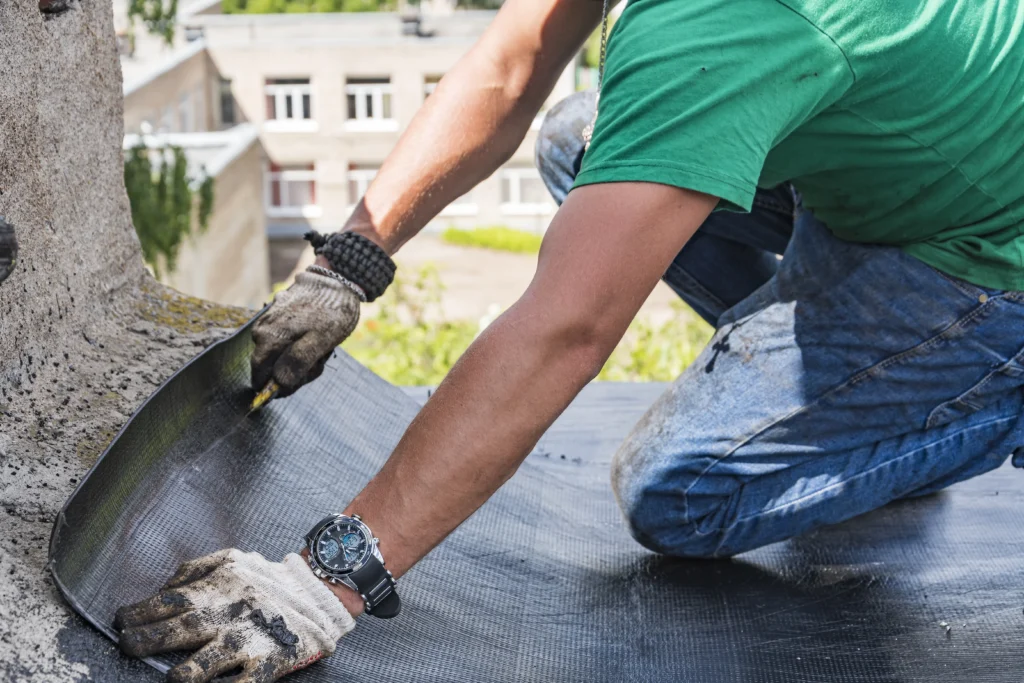
Upon connecting with a roofing contractor Lincoln, the first step involves a thorough inspection of the roof. This step is important as it helps identify problems that might affect the overall strength of the roof in the future. Instead of just looking at the roof’s exterior, roofing experts look at other factors such as structural integrity, ventilation, and the condition of the materials.
Additionally, this step helps identify problems such as small leaks, cracked shingles, and moisture buildup on the roof’s surface. This prevents such problems from escalating into more costly repairs in the future. Furthermore, this step also allows roofing experts to identify solutions that can help meet the current conditions of the roof. Therefore, this step allows homeowners to gain a better understanding of their roof’s needs without having to guess.
2. High-Quality Material Selection
The selection of materials is an important step that determines how long a roof can last. This step involves selecting materials that can meet environmental needs as well as structural needs. For instance, a roofing contractor might select materials such as impact-resistant shingles to protect a roof exposed to stormy weather.
Additionally, this step allows roofing experts to select materials that can withstand environmental factors such as moisture, UV exposure, and temperature fluctuations. This minimizes the chances of cracking, as well as warping, which might affect a roof’s lifespan. Furthermore, this step also allows roofing experts to select materials that can help meet energy needs as well as save homeowners money on their utility bills. Additionally, this step also allows roofing experts to select materials that can provide a stable roofing system regardless of environmental factors. Instead of having to make costly repairs, homeowners can enjoy a roofing system that remains stable throughout.
3. Precision Installation Techniques
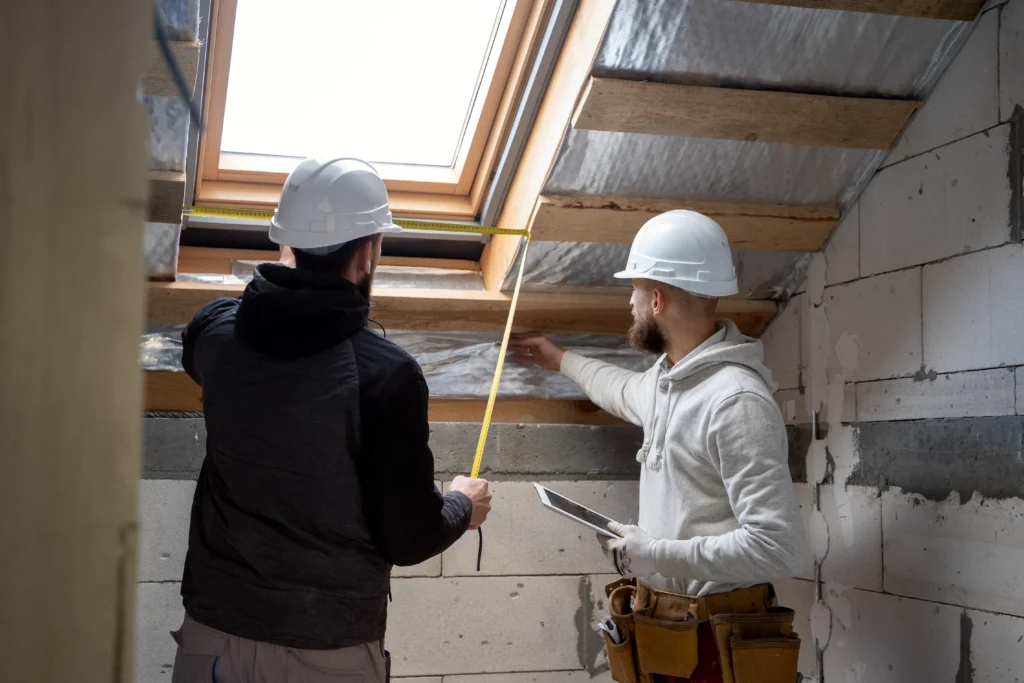
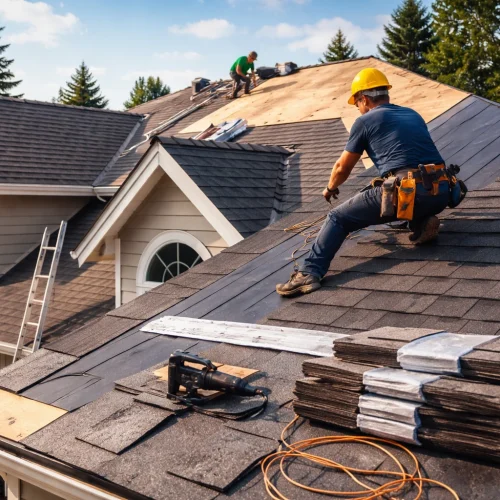
However, even the best materials can be compromised if the installation process is not carried out correctly. This is the reason experienced contractors use precise installation methods that ensure the roofs are durable. Each component of the roofing system, from the underlayment to the final shingles, is installed with attention to detail.
Furthermore, proper alignment and fastening ensure that the roof is not prone to issues like water infiltration and wind damage. The contractors also ensure that the flashing is correctly applied, which helps in the protection of vulnerable areas like the chimney and vents. In this case, the roof is able to function as expected while still maintaining its strength. This minimizes the chances of early failure, thereby extending the lifespan of the structure.
4. Effective Drainage and Gutter Integration
Effective drainage is one of the integral factors in the protection of the roof from damage. The roof could be compromised if water is allowed to accumulate on the surface, which could result in structural damage. The contractors ensure that the roof is effective in the drainage of water. Furthermore, the gutters are installed or maintained in a manner that helps in the effective drainage of water from the roof. The effective drainage of water from the roof minimizes the chances of issues like leaks, mold, and foundation problems.
In addition, the roof is designed in a manner that allows water to drain from the surface, thereby preventing water from accumulating on the roof. This is especially important for flat roofs, as water could be more likely to accumulate on the surface. Effective drainage helps in the protection of the roof from one of the common threats to the roof.
5. Regular Maintenance and Preventive Care
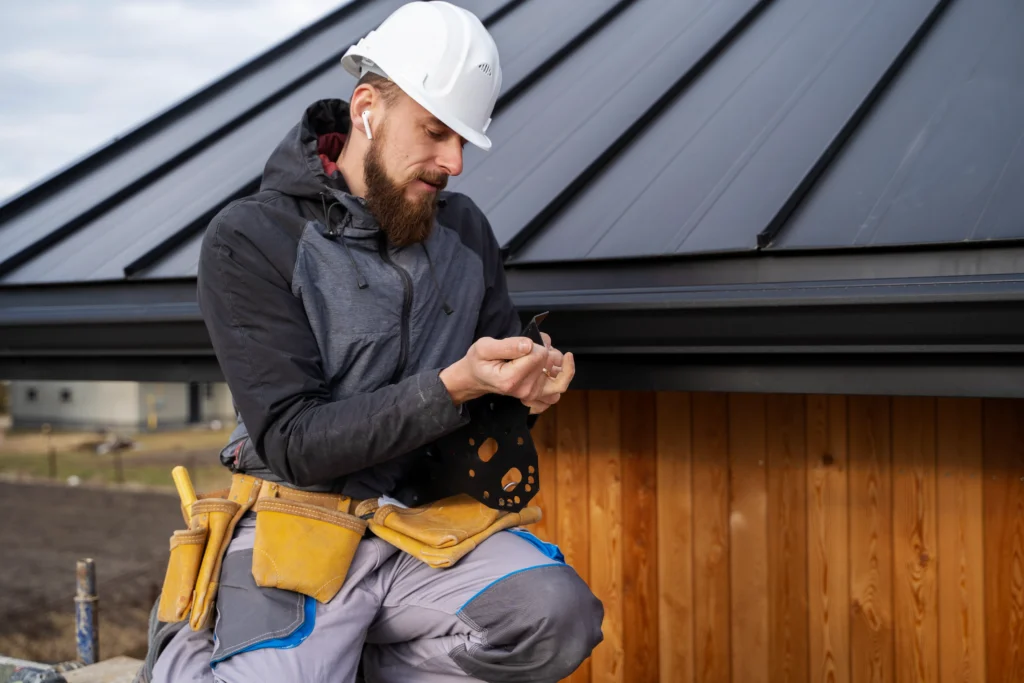
Regular maintenance helps extend the life of your roof while reducing the risk of unexpected repairs. Many roofing problems start small, but without timely attention, they can quickly become more serious and expensive to fix. To prevent this, contractors recommend periodic inspections that focus on identifying early signs of damage. These may include loose or missing shingles, small cracks, or weakened flashing. Addressing these issues early helps maintain the overall performance of the roof.
In addition, simple maintenance tasks such as clearing debris, checking gutters, and sealing minor gaps can make a significant difference. These efforts improve water flow and prevent moisture buildup. Over time, consistent preventive care ensures that the roof remains reliable. It also reduces long-term costs by avoiding major repairs and keeping the structure in stable condition.
6. Storm Damage Response and Long-Term Planning
Severe weather can impact even the strongest roofs, which makes a timely response crucial. Contractors provide support after storms by assessing damage and recommending appropriate repairs. This ensures that any vulnerabilities are addressed quickly. In addition, long-term planning plays a key role in maintaining roof strength. Contractors may suggest upgrades or reinforcements based on weather patterns and aging materials. These adjustments help the roof adapt to changing conditions.
Moreover, proper documentation and guidance during insurance claims can simplify the recovery process. This allows homeowners to restore their roofs without unnecessary delays. By combining immediate response with future planning, contractors help maintain consistent protection throughout the roof’s lifespan.
7. Ventilation Systems for Moisture and Heat Control
Proper ventilation plays a key role in maintaining roof durability, yet it is often overlooked. Without adequate airflow, heat and moisture can build up inside the attic, which gradually weakens roofing materials. This can lead to issues such as mold growth, insulation damage, and reduced energy efficiency.
To prevent this, contractors ensure balanced ventilation through intake and exhaust systems. This allows fresh air to circulate while pushing out excess heat and moisture. As a result, the roof structure remains dry and stable throughout changing seasons. In addition, proper ventilation helps regulate indoor temperatures, reducing strain on cooling systems. Over time, this not only protects the roof but also improves overall home performance.
Conclusion
Long-lasting roof protection depends on a combination of careful planning, quality materials, and consistent maintenance. Each step, from inspection to installation and ongoing care, contributes to the overall durability of the structure. When these elements are handled correctly, your roof remains strong against weather, wear, and time.
In addition, focusing on preventive measures reduces the risk of unexpected repairs and costly damage. By staying proactive and working with experienced professionals, you can ensure that your roof continues to perform efficiently. Ultimately, a well-maintained roof not only protects your property but also provides long-term value and peace of mind.
FAQs
At least once a year and after major storms to catch early signs of damage before they worsen.
Look for leaks, missing shingles, sagging areas, mold growth, or rising energy bills.
Most roofs last 20–30 years, depending on materials, installation quality, and maintenance.
It prevents heat and moisture buildup, reducing the risk of mold, material damage, and energy inefficiency.
Yes, durable materials resist weather damage better and reduce the need for frequent repairs.
They direct water away from the roof and foundation, preventing leaks and structural damage.
Immediately, as delays can lead to further deterioration and more costly repairs.
No, it’s usually affordable and helps avoid much higher costs from major repairs later.
Absolutely. Even the best materials can fail early if installed incorrectly.
It depends on the extent of damage minor issues need repairs, while widespread damage may require replacement.