Introduction
Your roof does a lot of quiet work every single day. It protects your home from rain, sun, and wind. However, many homeowners forget about checking the condition of their roofs. Regular roof inspections can help you catch small issues before they turn into expensive surprises.
That’s why having a clear roof inspection checklist matters. It gives you peace of mind and extends the life of your shingle roof. You can catch roof repair needs early before problems become more serious and learn when it’s time to call a professional.
The Basics of Residential Shingle Roofs
Before inspecting your roof, it helps to know what you are looking at. Residential shingle roofs are common for a reason—they’re affordable, durable, and look good on many home styles.
Most homes use asphalt shingles made of a fiberglass base and coated with asphalt and protective granules. The granules on the surface protect against UV rays and channel water toward the gutters during heavy rain. Then, flashing is installed around chimneys, vents, and edges to seal weak points. Together, these parts form a complete roofing system that serves as armor for your home, shedding water and resisting wind.
Shingle roofs don’t last forever, and their lifespan depends on many factors, such as weather, ventilation, and installation quality. If your roof is over 15 years old, inspections become even more important. When one part fails, problems can start, and these can quickly grow into serious damage. That is why inspections should look at more than just the shingles themselves.
Roof Inspection Checklist
Some checks can be done from the ground. Others may require climbing onto the roof, which should only be done safely. If you are unsure, it is always better to call a professional roofing company.
Condition of Shingle
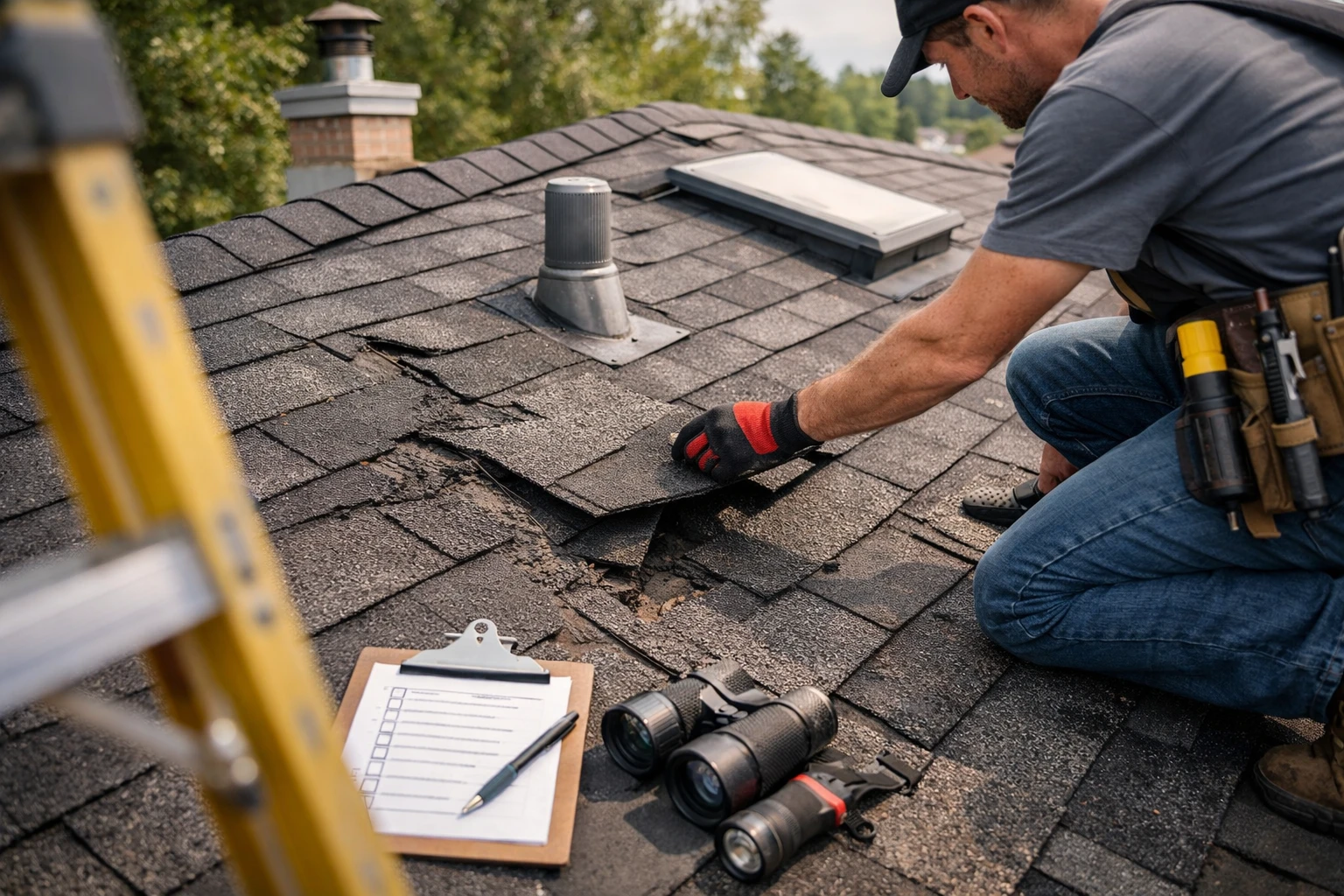
The first thing you need to inspect is the condition of the shingles. You should start by looking for shingles that are cracked, broken, or curling, often due to age or debris. Even one missing shingle can allow water to seep in. Over time, this can cause rot and interior damage.
Then, check for shingles that appear loose or lifted. Wind can get underneath them, increasing the risk of blow-offs during storms. If you notice uneven patterns or discoloration, note it; it may indicate underlying issues that need attention.
Granule Loss and Surface Wear
Granules are the rough, sand-like material on shingles, and they play a big role in protecting your roof. When granules wear away, shingles age faster, so check your gutters and downspouts.
If you see piles of granules, that’s a sign of surface wear. Some granule loss is normal over time, but large amounts are not. Excessive granule loss often indicates the roof is nearing the end of its life, and your shingles are more likely to leak, exposing the roof’s underlying structure. At this point, inspections should be more frequent.
Flashing Condition
Flashing is one of the most important, and often overlooked, parts of the roof. It is installed around chimneys, skylights, vents, and roof edges. Metal flashing should lie flat and be firmly attached; check it for rust, cracks, or lifting.
Poor flashing is a common cause of leaks because water consistently finds these weak points. Even small gaps can lead to big problems inside your home. If you see staining around flashing areas in your attic or ceiling, you need to act fast. This often leads to worse problems.
Ridge Caps
Ridge caps sit along the peak of your roof and cover the seam where roof planes meet. Their job is to seal the roof’s highest point, and this means they take a lot of wind exposure. Because of this, they can loosen over time.
So, inspect ridge caps for cracks or missing pieces and check for proper alignment. Ridge caps should sit straight and secure; if they shift, water can seep beneath them, allowing moisture into the attic and leading to mold and wood rot.
Scheduling a Professional Roofing Inspection
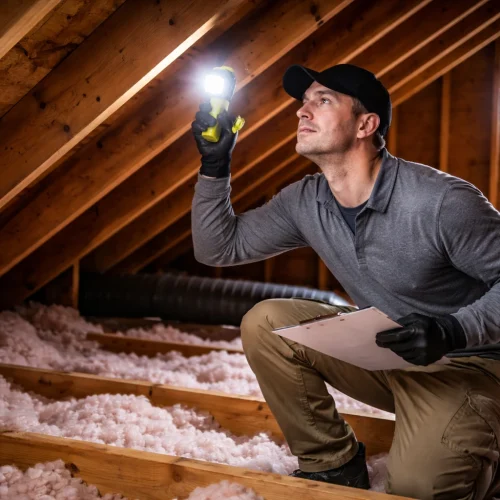
While homeowner inspections are helpful, they are not enough on their own. A professional inspection provides a deeper understanding of the situation. Expert inspectors look at every part of the roofing system, from the shingles and ridge caps to the flashing and vents. Many also check the attic for signs of leaks or poor ventilation. With their experience, they can spot issues that are easy to miss and give you clear recommendations for the next steps. This is especially helpful if your roof has been through a storm.
This is about choosing a trusted partner. Experienced professionals understand local weather patterns and know which materials perform best in your area. They also follow safety and quality standards. A trusted inspector will clearly say what needs attention now and what can wait.
Most homeowners should schedule an inspection once a year, with spring or fall being the best times due to the extreme weather changes. You should also schedule an inspection after major storms, as high winds and hail can cause roof damage. If your roof is over 20 years old, schedule inspections twice a year; catching problems earlier is cheaper than long-term roof repairs.
Final Thoughts
A roof inspection checklist is more than a to-do list. It is a tool for protecting your home. By understanding how a shingle roof works, you can spot early signs of wear. These small steps can prevent major damage.
Working with a trusted roofing partner gives assurance that nothing is missed. It also gives you clear guidance for maintenance and roof repair when needed. In the end, a well-maintained roof means fewer surprises, lower long-term costs, and peace of mind every time it rains. Take the time to inspect your roof; your home will thank you for it.
FAQs
Most homeowners should inspect their roof once a year and after major storms to catch damage early.
You can perform basic visual checks from the ground, but professional inspections are safer and more thorough.
Cracked, curling, missing, or loose shingles are common indicators that repairs may be needed.
Some granule loss is normal over time, but large amounts in gutters usually signal aging shingles nearing failure.
Flashing seals vulnerable areas like chimneys and vents, and damaged flashing is a leading cause of roof leaks.
Loose or cracked ridge caps can allow water and moisture into the attic, leading to mold and wood rot.
Frequent repairs, widespread granule loss, and shingles over 20 years old often indicate replacement may be approaching.
Yes, high winds and hail can cause hidden damage that may not be obvious until leaks appear later.
Professionals inspect flashing, ventilation, ridge caps, and attic conditions that aren’t easily visible from outside.
Spring and fall are ideal because they follow extreme weather and allow time for repairs before the next season.