Ever wonder how some properties always seem to run like clockwork lawns trimmed, exteriors spotless, HVAC humming along, not a single gutter overflowing in sight?
It’s not luck. Behind every consistently polished property is an organized, often invisible set of systems working together to keep things from falling apart. Maintenance that feels effortless rarely is. In this blog, we will share what drives that kind of reliability and what it really takes to keep a property at its best year-round.
What Consistency Really Takes
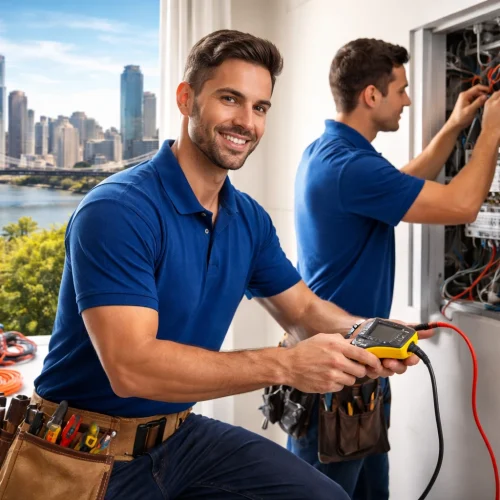
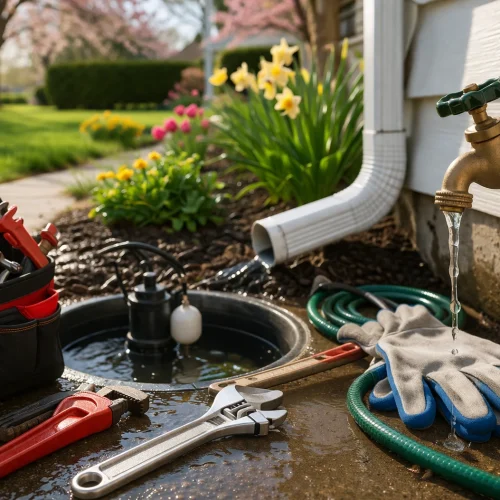
Well-maintained homes aren’t just defined by aesthetics. Behind the shine and curb appeal, there’s a long checklist—electrical systems tuned, plumbing inspected, HVAC filters swapped out on schedule, roof seams checked before they leak. This isn’t glamorous work, but it’s essential. Left undone, even minor neglect snowballs into costly disruption.
Today’s high-value properties come with high expectations. Owners want ease without compromise: no surprises, no slow-drip problems that explode into major repairs, no contractors who vanish mid-job. The demand for service that’s both invisible and impeccable is rising especially among people managing multiple properties or traveling frequently.
That’s where companies like Island Home & Estate Management enter the picture. For owners seeking peace of mind, this kind of boutique, detail-oriented property management fills a critical gap. Instead of reactive fixes, they focus on proactive routines: scheduled inspections, seasonal prep, vendor coordination, and full-spectrum oversight. The result isn’t just fewer headaches it’s confidence that the home is being run like a well-oiled machine, even when no one’s watching.
A comprehensive operation like that isn’t built on one-size-fits-all solutions. Every property has its quirks: an aging boiler that needs attention in early fall, a garden that needs specific care during dry months, security systems that must be tested and synced across devices. The systems behind seamless maintenance are customized, evolving with the property and the people who live in it. That flexibility, backed by strong planning, separates amateur upkeep from professional-grade management.
Building in Redundancy and Responsiveness
Behind the scenes of a property that never seems to “break,” there’s a layer of redundancy. Not in the wasteful sense, but in terms of having backup plans. Smart property management includes contingency thinking: extra supplies in storage, backup generators for power outages, emergency vendor access when a pipe bursts or a storm hits hard.
These systems anticipate, rather than react. That readiness doesn’t just protect the home it prevents the downward spiral of delay. One missed AC check during a heatwave leads to system failure, then water damage, then mold, then costly remediation. Professionals think in chains. They see how one skipped task opens the door to five more.
The world is only getting more unpredictable. Weather events that used to be rare now happen regularly. Storms don’t knock politely anymore. Power grids strain during extreme heat and cold. Infrastructure delays mean longer wait times for repairs. In this environment, a proactive management system isn’t just a nice-to-have it’s essential. Property owners who invest in prevention tend to avoid the headlines that start with “extensive damage” and end in insurance battles.
But even perfect systems hit snags. That’s where responsiveness matters. How quickly can the right person be on-site? Do they have context for the property, or are they walking in blind? Can decisions be made without endless back-and-forth? When you remove the lag time and friction from communication, what would’ve been a crisis turns into a quick adjustment.
Technology’s Quiet Role
Technology has changed how homes are managed, though often in subtle ways. Sensors now track water leaks in real time. Smart thermostats adjust to occupancy. Cameras offer 24/7 visibility for security and delivery monitoring. Maintenance platforms log service dates, automate alerts, and allow for digital approvals.
But it’s not just the tech it’s the integration. No one wants ten different apps doing ten different things. The trick is making sure the system actually simplifies, rather than overwhelms. Done right, tech fades into the background. It works quietly, nudging the property toward better efficiency and fewer interruptions.
Property managers who embrace this tech don’t rely on guesswork. They get data. That means they can spot trends: which parts need more frequent service, where energy use is spiking, which vendors are underperforming. It turns home oversight into something measurable, improvable, and less reactive.
This shift also meets modern expectations. Today’s homeowners are used to having real-time information in other parts of their lives from banking to health. They expect the same from the people managing their properties. The industry is adapting, and systems that rely on voicemail chains and paper files are being quietly phased out.
The People Behind the System
All the planning, scheduling, and automation in the world doesn’t replace good judgment. At the center of every robust system is a person or a team making decisions, solving problems, and paying attention.
The difference between okay and excellent property management often comes down to the people involved. Do they spot small changes before they become big problems? Do they know what “normal” looks like for each system and setting? Are they thinking ahead?
This is where professionalism matters. Anyone can mow a lawn or replace an air filter. But handling high-value properties means managing expectations, privacy, and standards that leave no margin for error. Trust is part of the service. Owners have to know their homes are being treated with care, not just kept afloat.
There’s also the matter of scale. One or two properties may be manageable with a spreadsheet and a few phone numbers. But as the number of assets grows or as owners spend more time traveling or off-site the need for a professionalized system becomes obvious. It’s not about the complexity of one task. It’s about coordinating dozens of them across seasons, vendors, systems, and unexpected conditions.
The homes people live in today are more complex than they were 20 years ago. Between technology, aging infrastructure, shifting climates, and rising standards, the old approach to maintenance wait until it breaks, then fix it doesn’t cut it anymore.
The next phase of property ownership will depend on systems that can adapt, learn, and deliver consistency in the face of change. It’s about more than staying functional. It’s about staying ahead.
The value of robust property systems isn’t just in avoiding breakdowns. It’s in creating environments where nothing distracts, delays, or deteriorates unnoticed. Homes that run like this don’t just look good on the outside they work better on the inside, every day. And that kind of reliability isn’t luck. It’s a result of the systems, planning, and people behind the scenes.
FAQs
Consistency comes from proactive systems like scheduled inspections, preventive maintenance, and clear accountability rather than waiting for things to break.
Proactive maintenance prevents small issues from escalating into costly emergencies, saving time, money, and stress over the long term.
They rely on routines, documentation, and monitoring that catch problems early, eliminating unexpected breakdowns and last-minute repairs.
Every property has unique needs, so tailored maintenance plans ensure systems, landscapes, and infrastructure receive the right care at the right time.
Backup plans like extra supplies, alternative vendors, and emergency power sources help properties stay functional during unexpected events.
Tools like sensors, smart systems, and maintenance platforms provide real-time data, automate alerts, and improve decision-making.
No, technology supports systems, but experienced professionals are essential for interpreting data, making decisions, and anticipating issues.
Modern properties are more complex, with integrated technology, higher standards, and greater exposure to climate-related risks.
Owners of high-value homes, multiple properties, or those who travel frequently benefit from reliable, hands-off oversight.
They provide structured systems, proactive care, and trusted professionals who keep properties running smoothly year-round.