Some DIY projects are exciting because they involve power tools, dramatic demolition, or complex builds. Others are satisfying for a different reason: they quietly transform your space in a way you notice every single day. Refreshing your garden beds with mulch falls firmly into that second category.
It’s not flashy. It doesn’t require advanced skills. But once you complete it, your entire yard feels calmer, cleaner, and more intentional. And best of all, it’s a project you can realistically complete in a weekend—sometimes even in a single afternoon—while still feeling proud of the results.
For DIY lovers, home improvement hobbyists, and anyone who enjoys working with their hands at home, mulching garden beds is one of those rare projects that combines creativity, practicality, and instant gratification.
Why Mulch Is One of the Most Underrated DIY Materials
Mulch doesn’t always get the credit it deserves. It’s often treated as an afterthought—something tossed down at the end of a landscaping project. But when you approach it intentionally, mulch becomes a design element, a functional upgrade, and a maintenance solution all at once.
From a DIY perspective, mulch is especially appealing because:
- It’s forgiving — mistakes are easy to fix
- It doesn’t require specialized tools
- It works with nearly every garden style
- It delivers immediate visual improvement
Beyond appearance, mulch helps regulate soil moisture, suppress weeds, protect plant roots, and reduce long-term yard maintenance. That combination makes it a favorite among experienced DIYers who value projects that look good and make life easier.
Planning Your Mulch Project Like a Pro (Without Overthinking It)
One of the biggest reasons DIY projects stall is overplanning. Mulching doesn’t need to be complicated, but a little preparation goes a long way toward better results.
Start Small (Even If You Have a Big Yard)
You don’t need to tackle every garden bed at once. In fact, many DIYers prefer starting with:
- Front yard beds for instant curb appeal
- A single flower bed near the entry
- A problem area that’s been hard to maintain
Completing one section builds momentum and confidence, and you can always expand later.
Choosing the Right Mulch for Your Space
Mulch comes in a variety of textures and tones, and this is where personal style comes in.
- Dark mulch creates contrast and drama
- Natural wood tones blend into relaxed, organic gardens
- Uniform texture feels clean and modern
- Chunkier mulch adds rustic charm
For larger projects, sourcing bulk mulch often makes the most sense. It’s more economical than bagged mulch, gives you consistent material, and is ideal when you want the entire yard to feel cohesive rather than pieced together.
The Prep Work That Makes All the Difference
Ask any seasoned DIYer: prep work is where projects are won or lost.
Before spreading a single scoop of mulch, take time to:
- Pull visible weeds and grass creeping into beds
- Remove old, decomposed mulch if it’s compacted
- Rake soil smooth to avoid uneven coverage
- Define bed edges with a spade or edger
This step may not feel glamorous, but it’s what separates “just added mulch” from “this yard looks professionally done.”
Clean edges alone can transform a space—even before fresh mulch goes down.
How to Spread Mulch the Right Way (DIY Edition)
Now comes the most satisfying part: spreading mulch and watching your garden beds come to life.
How Deep Should Mulch Be?
This is where many DIYers go wrong. Too much mulch can harm plants; too little won’t provide benefits.
A general guideline:
- 2–3 inches deep for most beds
- Keep mulch a few inches away from plant stems
- Avoid piling mulch against tree trunks
This depth allows moisture retention and weed suppression without suffocating roots.
DIY Techniques for Even Coverage
- Start at the edges and work inward
- Use a rake to distribute, then hands for fine-tuning
- Step back often to check visual balance
- Adjust thickness where soil dips or rises
Mulching is as much visual as it is functional. Take your time and trust your eye.
DIY Doesn’t Have to Mean Doing Everything Alone
There’s a misconception that DIY means doing every step without help. In reality, many home improvement enthusiasts mix hands-on work with smart shortcuts.
For example, you might enjoy spreading mulch yourself but prefer having it delivered in bulk rather than hauling bags from a store. Others choose professional help for larger projects while still handling design decisions personally.
Options like mulch installation services can support larger-scale projects where consistency and efficiency matter, while still allowing you to remain involved in the creative side of the process.
DIY is about ownership and intention—not unnecessary strain.
Styling Your Garden Beds After the Mulch Is Down
Once fresh mulch is in place, your garden beds become a blank canvas. This is where creativity really shines.
Layering Plants for Depth
A simple rule of thumb:
- Tall plants in the back
- Medium-height plants in the middle
- Low ground cover near the edges
Mulch acts as a neutral backdrop, making plant colors and shapes stand out more clearly.
Adding DIY-Friendly Accents
Small touches can elevate the space without clutter:
- Solar lights tucked into beds
- Decorative stones along edges
- Garden markers or subtle sculptures
- Repurposed containers as planters
Because the mulch creates order, even small decorative elements feel intentional rather than chaotic.
Seasonal Mulching: A DIY Project You Can Repeat and Refine
One of the reasons mulching is such a rewarding DIY project is that it evolves with the seasons.
Spring Refresh
Fresh mulch after winter brightens beds, prepares soil, and signals a new growing season.
Summer Support
Mulch helps retain moisture during hot months and keeps beds tidy even when plants grow aggressively.
Fall Protection
A refreshed layer insulates roots, protects soil, and adds warmth to autumn landscapes.
Each seasonal refresh builds on previous work, making future projects easier and more satisfying.
Why Mulch Is a Budget-Friendly DIY Win
From a cost perspective, mulching delivers one of the best returns on effort in home improvement.
Compared to:
- New hardscaping
- Large plant replacements
- Structural landscape changes
Mulch is affordable, scalable, and flexible. Buying bulk mulch often lowers cost per square foot significantly, especially for medium to large yards.
It’s one of those rare upgrades where the finished result looks far more expensive than it actually was.
The Emotional Reward of DIY Landscaping
There’s something uniquely satisfying about working outdoors. You see progress immediately. You feel the physical effort. And once the project is done, you get to enjoy it every time you step outside.
Mulching garden beds isn’t just about improving your yard—it’s about:
- Creating a space you enjoy being in
- Reducing future maintenance
- Building confidence in your DIY skills
- Making your home feel more “finished”
It’s a project you can proudly point to and say, “I did that.”
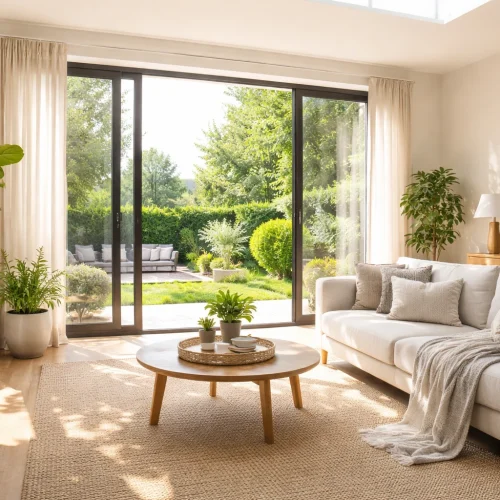
As homeowners invest more time and care into their outdoor spaces, many start thinking beyond garden beds alone. A beautifully mulched yard often becomes the foundation for bigger upgrades, such as adding insulated garden rooms that allow you to enjoy the outdoors year-round. When your landscaping feels intentional and well-maintained, structures like these blend seamlessly into the environment, creating a cohesive space that’s both functional and relaxing.
Final Thoughts: A DIY Project That Grows With You
Refreshing garden beds with mulch is one of those projects that meets you where you are. You can keep it simple or layer in creativity. You can do it all yourself or blend in professional support. And you can start small and expand over time.
No matter how you approach it, the result is the same: a cleaner, calmer, more intentional outdoor space that reflects your effort and creativity.
If you’re looking for a DIY project that delivers real impact without overwhelming complexity, this is one worth tackling. And once you’ve done it once, you’ll likely find yourself returning to it year after year—refining, improving, and enjoying the process just as much as the result.