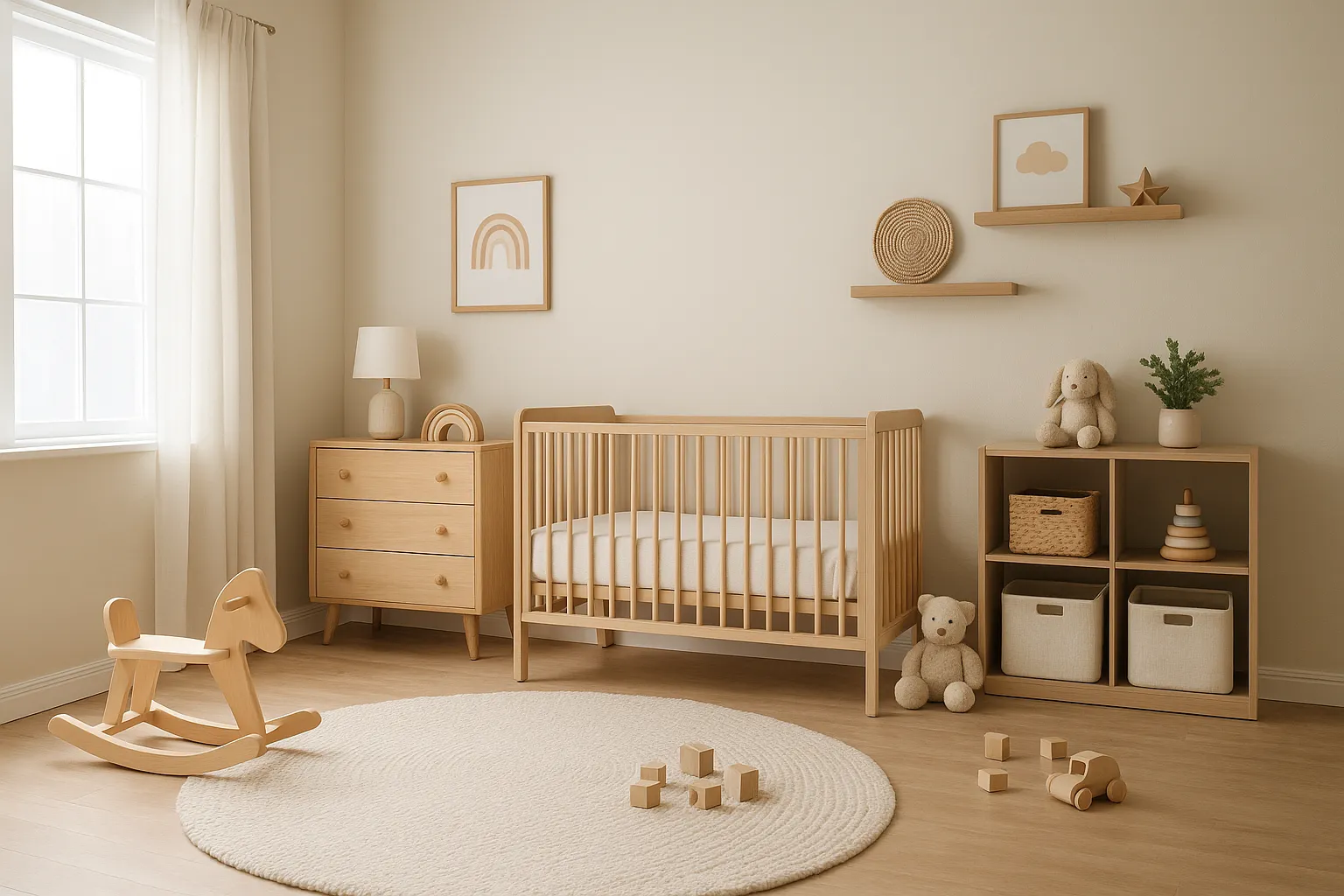
A baby’s room changes fast—sometimes faster than we expect. One month you’re quietly tiptoeing around a swaddled newborn. The next? You’re staring at a determined crawler heading straight for the one corner you forgot to baby-proof. That’s when most parents wonder if the nursery needs a full redesign. Thankfully, it rarely does. What it usually needs is a thoughtful refresh—a smarter layout, better storage, and a few intentional updates that match your baby’s rapid development.
Let’s walk through the small changes that spark big improvements!
Assessing How Your Baby Uses the Space Now
Your baby’s movement tells you a lot. If they’re crawling, pulling up, or trying those early wobbly steps, the nursery layout that once made perfect sense might now get in the way. Suddenly, the basket of blankets becomes a climbing attempt. The dresser doubles as a gripping station. And the glider—once essential—may be hogging half the room.
Start with a quick room audit. Nothing fancy. Just ask:
- What does my baby interact with most?
- What’s suddenly unsafe because of increased mobility?
- Which items do we no longer use consistently?
- Where does clutter tend to build up?
Here’s a simple assessment table to guide your observations:
| Area | What’s Working | What’s Not | Possible Fix |
| Play Zone | Soft surfaces | Too many toys scattered | Rotate toys, add low bins |
| Storage | Easy to access daily items | High shelves storing essentials | Reorganize by frequency |
| Safety | Anchored dresser | Decorative items within reach | Elevate or remove breakables |
This small analysis frames everything that comes next. It helps you refresh with purpose—not overwhelm.
Upgrading Storage Systems for a More Active Stage
Storage is the heart of an adaptable nursery. When it works well, the room feels calm and functional. When it doesn’t? Everything feels like clutter chaos.
Add Flexible, Modular Storage
Think open bins, cube organizers, and wide baskets. This stage isn’t about Pinterest perfection—it’s about your baby learning independence through accessible environments. Low storage encourages them to grab toys, books, and loveys safely. It also encourages them to help clean up, even if it’s just dropping items into a bin during evening routines.
Consider these placement strategies:
- Heavy items low; light items high
- Toys grouped by type rather than aesthetics
- Labels with icons (for grown-up clarity more than baby use, for now)
Reorganize What Stays Out vs. What Gets Stored
At this age, babies often fixate on whatever is easiest to access. That’s why smart storage isn’t just what you add—it’s what you intentionally remove. Keep only a handful of toys out. Store the rest in closed baskets or a nearby closet.
Sort belongings into categories:
- Daily-use: diapers, wipes, pajamas, sleep sacks
- Weekly-use: extra bedding, seasonal clothing
- Occasional-use: keepsakes, medical items, outgrown clothing
Anything in the “occasional” group belongs out of the daily flow so the nursery feels lighter and clearer.
Create Micro-Zones
A full redesign isn’t necessary. Micro-zoning is the trick.
You’re simply mapping the room into intuitive sections:
- Diapering station: all essentials within arm’s reach
- Reading corner: a basket of books + a small floor cushion
- Toy zone: one rug, a soft basket, and nothing else
- Sleep area: crib kept minimal and distraction-free
These micro-zones reduce your movements and your baby’s frustration. And yes—your sanity gets a boost too!
Refreshing the Space by Rotating Age-Appropriate Toys
Toy overwhelm is real. Not for you—for your baby. Too many choices can cause overstimulation, quick boredom, or messy play that never actually goes anywhere. Rotation keeps things fresh without buying anything new.
Why Toy Rotation Works
It narrows your baby’s attention and encourages deeper engagement. Babies explore their environment more meaningfully when the toy selection is intentional. They become more curious. More focused. More delighted.
Create a Simple, Low-Maintenance Rotation System
No need for a complicated spreadsheet. Just sort toys into categories:
- Sensory
- Fine motor
- Gross motor
- Soft toys
- Musical
- Stacking or sorting
Place each category in its own bin. Keep one set out, store the rest. Rotate weekly or bi-weekly.
Here’s a rotation example:
| Week | Focus Toys | Growth Benefit |
| Week 1 | Stackers + soft blocks | Fine motor + grip practice |
| Week 2 | Push toys + rolling balls | Crawling motivation |
| Week 3 | Sensory items + crinkle books | Sensory exploration |
| Week 4 | Pull toys + wobble toys | Standing + balance practice |
Add Transitional Toys as Baby Grows
As crawling shifts into pulling up and walking, introduce:
- Soft stacking rings
- Cloth books
- Simple wooden puzzles
- Push walkers
- Lightweight pull toys
Each encourages new types of movement without overwhelming the room.
Refreshing Textiles for Comfort, Safety, and Style
Textiles—bedding, rugs, curtains—quietly shape the feel of a space. Updating them can completely shift the nursery’s mood without replacing a single piece of furniture.
Bedding and Crib Accessories
Keep crib elements minimal for safety, but you can refresh:
- Mattress protectors
- Fitted sheets in updated patterns or calming neutrals
- Breathable, hypoallergenic fabrics
Swap out anything that no longer fits your baby’s needs or the season.
Rugs, Curtains, and Soft Furnishings
Rugs do more than decorate. They cushion falls during the early walking months, protect knees during crawling, and soften sound in busy households.
Look for rugs that are:
- Low-pile for easier cleaning
- Dense enough for soft landings
- Neutral or lightly patterned to reduce visual clutter
Curtains matter, too. As naps change, blackout or light-filtering options help regulate sleep. Choose washable materials so you can refresh them with seasonal cleaning.
Quick Hygiene Updates—That Make a Big Impact
Textiles trap dust and allergens. So do carpets. A fast refresh like laundering curtains or washing throw blankets goes a long way. And a simple professional carpet cleaning provides a crisp reset to the room—especially during high-contact crawling months.
This is also a great time to mention that Shoreline carpet cleaning companies often offer quick, low-moisture services ideal for nurseries. It’s a practical hygiene upgrade that keeps the play environment fresh and safer for tiny hands and knees.
Adjusting the Layout for Crawling and Early Walking Safety
Nothing changes a nursery quite like movement. Crawlers need space. Early walkers need even more.
Make More Floor Space
Remove anything you’re no longer using:
- Swings
- Rocking bassinets
- Bulky décor
- Oversized storage furniture
More space equals more freedom to explore. It also means fewer hazards during the early walking stage.
Anchor and Secure Everything
If your baby can pull up, they will use any furniture edge they can reach.
Safety essentials include:
- Anchoring dressers and bookshelves
- Securing wall shelves
- Using corner bumpers on sharp edges
- Adding non-slip pads under rugs
Professional nurseries and childcare spaces follow this principle religiously because it prevents accidents and reduces injury severity.
Create Soft Landing Zones
Strategic rug placement softens falls, which are unavoidable during the learning-to-walk period. Foam tiles can also work, but avoid overusing them—they can dominate the room visually.
A small section of soft flooring is enough:
- Near the bookshelf
- In the play zone
- Around the crib side where your baby often stands
Clear Pathways Matter
A clear, open pathway helps your early walker build balance, speed, and confidence. Minimize decorative pieces on the floor. Shift furniture outward to the room’s edges and maintain a smooth walking lane for exploration.
Minor Visual Updates That Don’t Require a Redesign
Visual updates are the fun part—they’re easy, satisfying, and completely transform the nursery’s tone.
Swap Wall Art or Add Decals
Peel-and-stick decals offer a subtle design refresh without any long-term commitment. They’re ideal for changing themes without repainting, especially during the toddler transition.
Introduce Small Pops of Color
Small touches do the heavy lifting:
- A new throw blanket
- A fresh set of storage baskets
- A patterned crib sheet
- A textured pillow for the reading corner
These micro-decor choices tie the room together effortlessly.
Upgrade Lighting
Lighting affects both atmosphere and functionality.
Useful upgrades include:
- A dimmable lamp for bedtime routines
- A soft nightlight for comfort
- A warm ambient bulb that mimics natural daylight
Lighting is one of the simplest ways to modernize the nursery while keeping it practical.
Maintaining a Nursery That Evolves With Your Child
Refreshing a nursery isn’t a one-time event—it’s an ongoing rhythm. Small, consistent updates make the entire process manageable.
Monthly Mini-Resets
Set a reminder each month to:
- Rotate toys
- Check clothing sizes
- Reorganize low-reach shelves
- Swap seasonal items in or out
It takes 15 minutes, and the payoff is huge.
Seasonal Deep Declutters
Every season, do a deeper sweep:
- Remove outgrown gear
- Reassess safety placements
- Launder larger textiles
- Inspect rug grip pads and anchors
This keeps the nursery aligned with your child’s growth patterns.
Knowing When It’s Time for the Next Stage
You’ll know it’s time for toddler-level updates when:
- Crib climbing becomes a recurring adventure
- You need more book storage
- Pretend play becomes a daily activity
- Your baby begins choosing their own toys with intention
These stages don’t require panic—just another gentle refresh.
FAQs
Every 1–3 months is ideal, especially during crawling and early walking stages when mobility changes quickly.
Rearranging the layout to create more floor space and improve safety often makes the biggest immediate impact.
Keep out only what your baby is actively using, and store items that cause clutter or overstimulation.
Yes—low-pile, dense rugs provide cushioning for falls and help define safe play areas.
Wash curtains regularly, vacuum often, and schedule periodic carpet cleaning to remove dust and allergens.
Use low, open bins and modular cubes that offer easy access while keeping the visual footprint light.
As soon as your baby begins pulling up—anchoring prevents tipping risks and makes the room much safer.
Weekly or bi-weekly rotations keep the space fresh and encourage deeper, more focused play.
Yes, most are non-toxic and remove cleanly, making them perfect for quick, low-commitment visual updates.
Not at all—small changes like opening pathways, softening landing zones, and reorganizing storage are usually enough.
Conclusion
Refreshing a nursery doesn’t mean starting over. It means adapting—with purpose and with calm. When you make small, intentional updates that match your baby’s developmental stage, the entire room feels new again. Better storage. Smarter layout. Cleaner flooring. More intentional textiles. Safer movement zones. All of it contributes to a space that grows with your child rather than against them.
And the best part? These changes are achievable, affordable, and incredibly rewarding.
A nursery should evolve—just like your little one. Embrace these mini-transformations, and their room will continue feeling warm, functional, and perfectly suited for every new milestone ahead.