Homebuyers today are looking beyond square footage and floor plans. Where a home is located and what surrounds it often matter just as much as the home itself. Communities that offer opportunities to stay active, socialize, and enjoy daily life tend to attract more attention in the real estate market. These features are no longer extras; they are key decision factors.
Recreation-rich neighborhoods in Virginia are becoming increasingly popular as homebuyers seek more than just a house. They want a complete lifestyle. Communities across the state are now designed to offer active living, social spaces, and everyday convenience, all within easy reach. Buyers are drawn to neighborhoods where outdoor activity, community engagement, and wellness are part of daily life.
This article explores why these recreation-focused communities continue to attract interest and how their features enhance overall real estate appeal.
Recreation Options Support Health and Wellness
Easy access to recreation encourages healthier routines. Buyers appreciate neighborhoods where staying active does not require extra travel or planning. Walking paths, fitness areas, and courts make it easier for residents to maintain physical wellness. These features appeal to buyers who value balance and daily movement. A community designed around wellness supports long-term satisfaction and often attracts residents who plan to stay.
Signature Amenities That Drive Buyer Interest
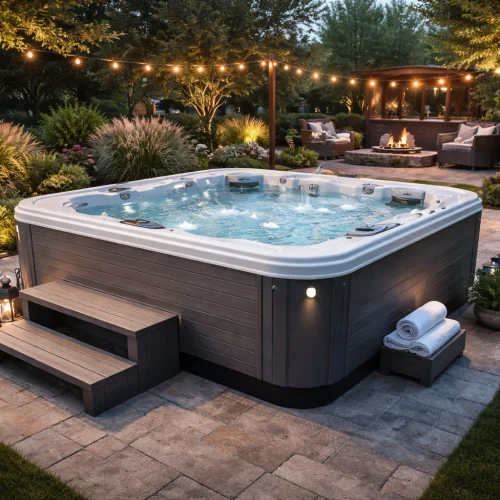
Standout amenities often create a strong first impression. Buyers are drawn to neighborhoods that offer more than basic shared spaces. Features like fitness facilities, courts, and pools suggest a well-planned community focused on active living. These amenities also signal long-term investment in resident experience, which adds to buyer confidence. When a neighborhood offers high-quality shared features, it immediately feels more desirable and complete.
Communities with signature offerings, such as a swim and racquet club, become a major catch for interested buyers. These amenities support fitness, social connection, and daily convenience. Buyers often view access to these facilities as a lifestyle upgrade that enhances both enjoyment and long-term property value, which makes communities like The Virginian so popular today among modern buyers.
Shared Spaces Strengthen Community Connection
Recreational spaces within communities also function as social spaces. When residents use shared facilities, they naturally interact and build relationships. This sense of connection creates a stronger neighborhood identity. Buyers often look for communities where social interaction feels natural, not forced. A welcoming environment helps residents feel at home faster, which increases overall neighborhood appeal and long-term demand.
Family-Friendly Features Broaden Buyer Appeal
Families are drawn to neighborhoods that offer safe and engaging activities for all ages. Recreation areas provide children and adults with structured and unstructured ways to stay active. Parents value communities where kids can participate in activities close to home. These features make neighborhoods attractive to a wider range of buyers, from young families to multi-generational households.
Well-Maintained Amenities Enhance Visual Appeal
How well these recreational spaces are maintained matters. Clean, well-kept facilities reflect positively on the entire neighborhood. Buyers often associate good maintenance with strong management and long-term care. Attractive amenities improve first impressions and help neighborhoods feel polished and inviting. Visual appeal plays a significant role in buyer decisions, especially during initial property tours.
Recreation Features Help Protect Property Value
Neighborhoods with strong recreational options tend to hold value more consistently over time. Buyers see these features as lasting benefits rather than temporary trends. When amenities are built into the community, they continue to support demand even when market conditions change. This stability makes properties more appealing to both primary buyers and long-term investors. Homes in these neighborhoods are often viewed as safer investments because lifestyle appeal remains strong year after year.
Appeal to Buyers Across Different Life Stages
Recreation-rich neighborhoods attract a wide range of buyers. Younger residents enjoy active spaces and social opportunities, while older buyers appreciate wellness-focused features close to home. These communities adapt well to changing needs over time. Buyers often prefer neighborhoods that can support their lifestyle today and in the future. This flexibility increases buyer interest and helps communities maintain steady demand across generations.
Strong Amenities Support Resale Potential
When it comes time to sell, shared amenities can make a property stand out. Buyers comparing multiple homes often favor neighborhoods that offer added lifestyle value. Recreation features help listings feel complete and competitive. This can lead to shorter time on the market and stronger offers. Sellers benefit from amenities that continue to attract interest long after the initial purchase.
Lifestyle Features Encourage Longer Ownership
Buyers who enjoy where they live are more likely to stay. Recreation options encourage daily use and long-term satisfaction. When residents feel connected to their surroundings, they are less likely to move quickly. Longer ownership supports neighborhood stability and a positive reputation. Communities with high resident satisfaction often gain attention through word-of-mouth, which further strengthens buyer interest.
Recreation Enhances Overall Neighborhood Reputation
A neighborhood known for quality amenities develops a strong identity. Buyers often research community features before scheduling visits. Positive impressions, reviews, and resident feedback increase visibility and interest. When recreation spaces are active and well-used, they signal a vibrant community. This reputation helps neighborhoods remain desirable and competitive within the real estate market.
Recreation-rich neighborhoods continue to attract strong buyer interest for clear reasons. These communities offer more than homes. They provide daily lifestyle benefits that support wellness, connection, and long-term satisfaction. Buyers recognize the value of shared amenities that enhance both living experience and property appeal. From protecting property value to supporting resale potential, recreation plays a meaningful role in real estate demand. As buyers place greater importance on quality of life, neighborhoods with well-designed recreational options remain highly desirable and well-positioned for long-term success.
FAQs
A recreation-rich neighborhood offers built-in amenities like walking trails, fitness facilities, courts, pools, or social spaces that support active and connected living.
Buyers value the convenience, lifestyle benefits, and daily wellness opportunities that come from having recreation close to home.
Yes, well-designed and well-maintained amenities often help protect property value by sustaining long-term buyer demand.
Absolutely. Families appreciate safe, nearby spaces where children and adults can stay active and engaged without leaving the community.
Shared recreational spaces encourage natural social interaction, helping residents build relationships and feel more connected to their neighborhood.
Yes, they appeal to multiple life stages, from young professionals seeking social spaces to older buyers focused on wellness and convenience.
Strong maintenance signals good management and long-term care, which boosts buyer confidence and overall neighborhood appeal.
Homes in these communities often stand out in the market, leading to faster sales and stronger buyer interest during resale.
Yes, lifestyle-focused features increase satisfaction, which often results in longer ownership and greater neighborhood stability.
Their consistent lifestyle appeal helps maintain demand even during market shifts, making them attractive to both homeowners and investors.