Let’s be honest: we’ve all been there. You’re standing in the fabric aisle or scrolling through an online shop, and you see a gorgeous, bold print. You absolutely love it, but then that little voice of doubt kicks in: “Will this actually look good in my living room? Or is it just going to look like a cluttered mess?”
It’s so much easier to play it safe with plain greys and beiges, but “safe” can quickly turn into “boring.” Patterns are what give a room its soul. They tell a story about who you are. The good news? You don’t need an interior design degree to get it right. You just need a few simple rules to keep the chaos in check.
1. The Rule of Three (Scales)
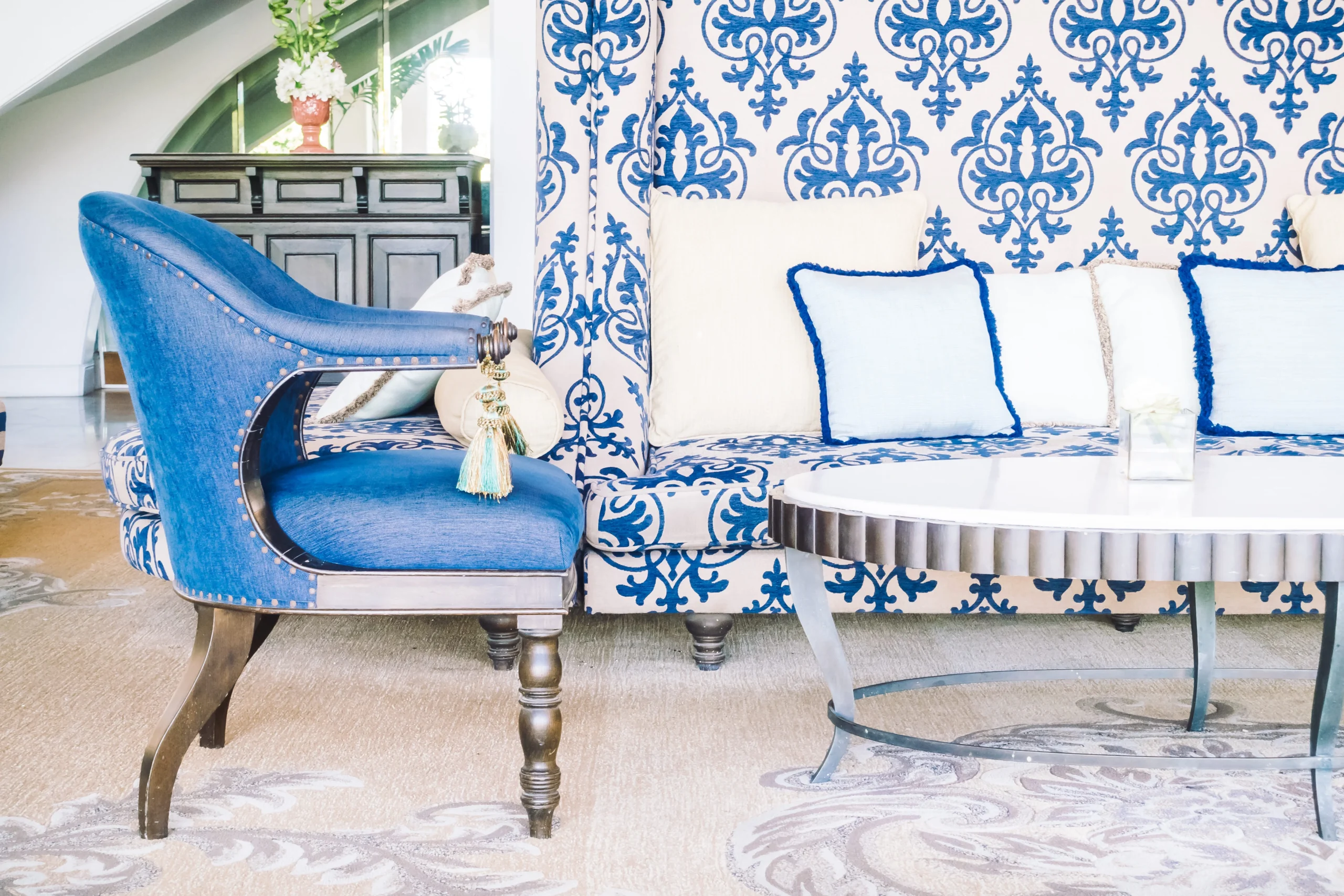
The biggest mistake people make is picking patterns that are all the same size. If everything is “loud,” nothing gets heard. Instead, try to work in threes:
- Large-scale: This is your statement piece (like a bold floral on your curtains or a rug).
- Medium-scale: Something with more structure, like a classic stripe or a trellis pattern.
- Small-scale: A subtle “micro-print” that looks almost like a solid color from a distance.
When you vary the sizes, your eyes naturally know where to look first, and the room feels balanced.
2. Connect the Dots with Color
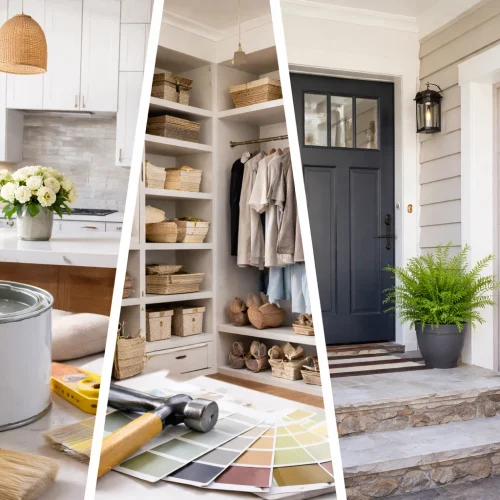
You can actually mix completely different styles – think edgy animal prints with traditional botanicals – as long as they speak the same color language. Before you start buying, it’s a huge help to curate a cohesive color palette.
If there’s a specific shade of sage green in your wallpaper, make sure that same green shows up in your throw pillows. Even if the patterns are worlds apart, that “common thread” of color makes them look like they belong together.
3. Don’t Forget the “Breathing Room”
Every busy pattern needs a place to rest. If you put a patterned pillow on a patterned chair in front of patterned wallpaper, it’s too much. Use solid-colored blocks as anchors. A simple, neutral sofa acts like a blank canvas, allowing your favorite decorative fabrics to really pop without overwhelming the senses.
4. Trust Your Gut
At the end of the day, your home shouldn’t feel like a stiff showroom catalog. It should feel like you. If you have a vintage quilt that you love, don’t be afraid to pair it with a modern geometric rug. Sometimes the best designs come from breaking the rules just a little bit.
If you’re still feeling a bit nervous about taking the plunge, I found this great breakdown of tips for styling patterned fabrics that really helps simplify the whole process. It’s a total game-changer for anyone ready to level up their decor and add some personality to their space.
Conclusion: Pattern With Purpose, Not Fear
Mixing patterns isn’t about being fearless. It’s about being intentional. Once you understand scale, color, and balance, patterns stop feeling risky and start feeling fun. They become tools, not traps. A bold print no longer threatens to overwhelm your space—it gives it character, depth, and a sense of life that flat neutrals can’t replicate.
Start small if you need to. Add one patterned pillow. Then another. Let your eye adjust. Over time, you’ll build confidence and instinct, and what once felt chaotic will feel cohesive. The goal was never perfection. It was personality. When a room feels layered, lived-in, and unmistakably yours, you’ve done it right.
FAQs
Yes, as long as you vary the scale and connect them with a shared color palette, different patterns can work beautifully together.
Three patterns is a safe and effective rule, especially when they’re different sizes and balanced with solid colors.
Stripes are a great starting point because they’re structured, versatile, and easy to pair with both bold and subtle prints.
They don’t need identical colors, but repeating at least one common shade helps everything feel intentional.
Absolutely. Mixing styles often adds more interest, as long as scale and color tie them together.
Use solid-colored furniture or walls as visual breaks to give your eyes a place to rest.
No—bold patterns can work in small spaces too, especially when used selectively as accents.
Yes, but balance is key; if your walls are patterned, keep larger furniture mostly solid.
A little tension can be good—it often makes a space feel more dynamic and less staged.
Rules are helpful guidelines, but trusting your taste matters more than sticking to them perfectly.