Los Angeles, often called the City of Angels, is a vibrant hub of culture, entertainment, and innovation. From the bustling streets of Downtown to the scenic beaches of Santa Monica, the city offers a mix of urban excitement and natural beauty. Its diverse neighborhoods, iconic landmarks, and thriving arts scene make Los Angeles a unique place to live, work, and explore.
When it comes to managing large amounts of waste for home renovations, construction projects, or cleanouts, finding reliable services is crucial. Asking the right questions before making a choice can save time, money, and stress. For those looking to handle their waste efficiently, understanding your options for the best dumpster rentals in Los Angeles is an important first step toward a smooth and organized project.
1. What Size Dumpster Do I Need?
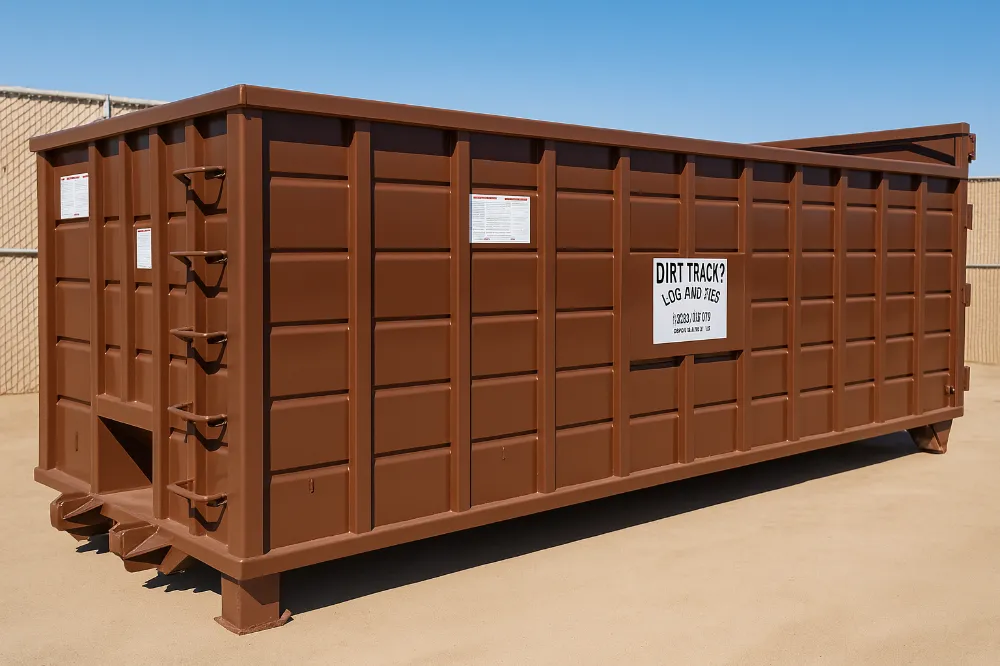
One of the most common questions about renting a dumpster concerns size. Dumpsters come in various sizes, typically measured in cubic yards, ranging from as small as 4 yards to as large as 40 yards. Selecting the right size depends on the scope of your project and the amount of waste you expect to generate.
Sizing: How to Choose the Right Size
- A 4- to 10-yard dumpster is ideal for small cleanouts or yard waste.
- Home renovations and medium-sized projects work well with 15- to 20-yard dumpsters.
- Large construction or demolition jobs often require 30- to 40-yard dumpsters.
It’s a good idea to choose a slightly larger dumpster than you think you’ll need. This helps you avoid the inconvenience and additional fees that come with ordering another one if your first fills up too quickly.
2. What Can I Put in a Dumpster?
Some rentals have strict restrictions on what can be placed inside and how heavy the debris can be. It’s highly recommended that you note down what the rental company specifies to avoid mistakes and unnecessary charges.
Commonly Accepted Items:
- Household junk and furniture
- Yard waste
- Construction and demolition debris, such as wood, metal, drywall, and concrete
- Leftover renovation materials like tiles and cabinets
Prohibited Items:
- Hazardous waste (paint, chemicals, asbestos)
- Electronics (TVs, computers)
- Refrigerant appliances (refrigerators and air conditioners)
- Tires, batteries, and medical waste
3. How Much Does It Cost to Rent a Dumpster?
Cost is a major factor for most renters. Knowing the total cost in advance allows you to budget properly and avoid unwanted surprises, giving you peace of mind.
Pricing Factors:
- Dumpster size: Larger dumpsters are more expensive to rent.
- Rental duration: Most rentals last about 7 to 10 days, with daily extension fees if kept longer.
- Weight limits: Dumpsters have weight limits; overage fees apply if these are exceeded.
- Delivery and pickup fees: Some companies include these in the base price, while others charge extra.
- Type of waste: Disposal of hazardous or special materials often increases the cost.
For example, when searching for the best dumpster rentals in Los Angeles, look for companies that offer transparent pricing with no hidden fees, reliable delivery schedules, and flexible rental periods. Many local providers now offer online booking, real-time tracking, and upfront quotes to make the process seamless and stress-free.
4. How Long Can I Keep the Dumpster?
Duration is another important consideration. Be sure to review the rental agreement, which typically outlines the rental period, usually 7 to 10 days. Estimating your project timeline accurately in advance helps you plan better.
If you think you’ll need the dumpster longer, inform the company beforehand. Many service providers offer rental extensions with prior notice, which can be a lifesaver during unexpected project delays. Besides these important questions, don’t forget to ask additional area-specific questions, such as whether you’ll need any permits. This will help make the entire process smoother and hassle-free for you.
Key Takeaways
- Choose the right dumpster size based on the scope of your project to avoid extra fees.
- Know what items are allowed and prohibited to prevent violations and additional charges.
- Understand all cost factors, including size, weight, rental duration, and delivery fees.
- Confirm how long you can keep the dumpster and arrange extensions if needed.
- Check for local requirements, like permits, to ensure a smooth rental process.
FAQs
Choose based on your project’s scope small cleanouts need 4–10 yards, while renovation or construction jobs often require 15–40 yards.
Most household junk, yard waste, and construction debris are allowed, but hazardous materials, electronics, and appliances are not.
Yes. Paint, chemicals, asbestos, tires, batteries, medical waste, and electronics are typically prohibited.
Costs vary by size, weight limit, rental duration, and type of debris. Expect additional fees for overages or special disposal needs.
Some include them in the base rate, while others charge additional fees always check the breakdown before booking.
Most rentals last 7–10 days, with optional extension fees if you need more time.
A permit may be required if the dumpster sits on a public street or sidewalk. Check local regulations beforehand.
You’ll incur overage fees based on the rental company’s per-ton pricing.
Some companies offer short-term rentals, but availability varies, and minimum charges may apply.
Many Los Angeles providers offer same-day or next-day delivery, especially if ordered early.