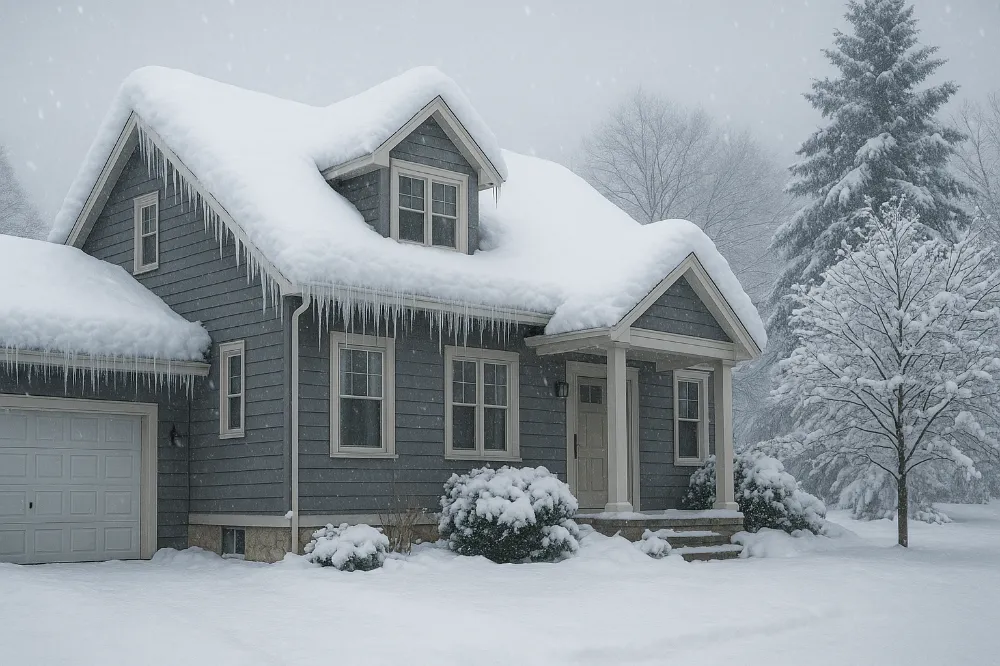
Winter can be one of the most challenging seasons for homeowners, especially in regions where snow, ice, and freezing temperatures are common. Heavy snowfall, ice buildup, and extreme cold can cause serious damage to homes if preventive measures are not taken. Protecting your property before the harshest weather arrives is essential for maintaining comfort, preventing costly repairs, and ensuring long-term home durability. From roofing to insulation and exterior maintenance, a combination of strategies can help keep your home safe and functional throughout the winter months.
Understanding Seasonal Risks for Homes
Homes face multiple risks during winter and other harsh seasonal conditions. Some of the most common problems include:
- Roof collapse from heavy snow accumulation
- Ice dams that cause water leaks inside the home
- Frozen pipes leading to plumbing damage
- Drafts and heat loss from poorly insulated areas
These issues can escalate quickly, leading to expensive repairs and disruptions to daily life. By understanding the risks, homeowners can take proactive steps to reduce damage and maintain a safe living environment.
The Role of Roofing in Home Protection
A strong and well-maintained roof is the first line of defense against snow, ice, and extreme temperatures. Roofs must be able to withstand the weight of snow and allow ice and water to drain properly to avoid damage. Factors such as roof slope, materials, and installation quality play a major role in winter resilience.
Regular inspections are essential to identify worn shingles, leaks, or weak areas that may fail under heavy snow. Ensuring that the roof is in good condition prevents ice dams and water infiltration, which can compromise both the structure and interior of the home.
For homeowners looking for reliable roofing solutions, it is recommended to visit IroSteel Ltd. for Metal roofing Winnipeg. Metal roofs are particularly effective at shedding snow and resisting ice buildup, making them a durable and long-lasting choice for harsh weather regions. Investing in professional roofing solutions provides peace of mind and long-term protection for your home.
Insulation and Energy Efficiency
Insulation is another critical component in keeping a home comfortable and protected during winter. Proper insulation reduces heat loss, maintains indoor temperatures, and lowers energy bills. Poor insulation can result in cold spots, increased heating costs, and a greater risk of ice dams forming on the roof. Homeowners should evaluate their current insulation levels and consider upgrading to more efficient options if necessary. Effective insulation works hand in hand with a well-maintained roof to create a barrier against the cold, preventing drafts and maintaining consistent indoor comfort.
Gutter and Drainage Maintenance
Gutters and downspouts are essential for directing water away from the home and preventing ice buildup. Clogged or damaged gutters can lead to ice dams, water infiltration, and structural damage. Regular cleaning and maintenance before winter ensures that water can flow freely, reducing the risk of leaks and roof damage. Some homeowners may also consider installing heating cables or gutter guards to prevent ice buildup and maintain proper drainage. Taking these steps protects both the roof and the home’s exterior walls from water-related issues.
Protecting Plumbing and Exterior Systems
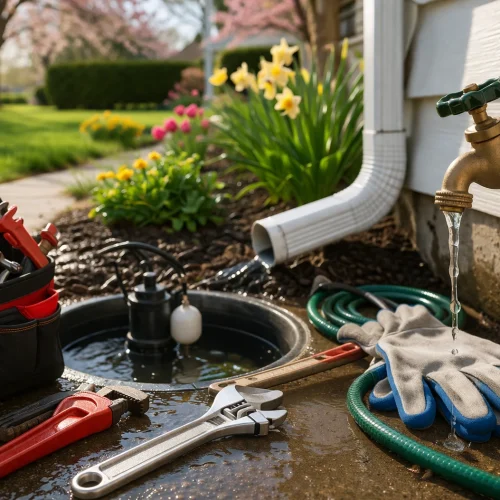
Frozen pipes are a common winter hazard that can cause major damage if left unaddressed. Homeowners should insulate exposed pipes and maintain indoor heat to prevent freezing. Checking outdoor faucets, sprinkler systems, and vents is also important to ensure they are properly winterized. Proper maintenance of exterior systems enhances the overall resilience of the home. Preventing pipe bursts, leaks, and other plumbing issues keeps the property safe and minimizes emergency repairs.
Landscaping and Exterior Considerations
Winter hazards extend beyond the structure itself. Overhanging branches or trees close to the home can cause roof damage during ice storms or heavy snow. Pruning trees and maintaining landscaping reduces these risks.
Additionally, proper snow removal around the home and attention to areas with high wind exposure can prevent accidents and structural damage. Managing moisture accumulation and ensuring clear pathways helps maintain both safety and home integrity.
Emergency Preparedness and Smart Home Tools
Harsh weather events can sometimes result in power outages or emergency situations. Preparing ahead with essential supplies, backup power options, and emergency kits ensures safety and comfort. Smart home tools, such as programmable thermostats, leak detection systems, and home monitoring devices, can help homeowners maintain stable indoor conditions, detect problems early, and optimize energy usage during extreme weather.
Long-Term Benefits of Seasonal Home Protection
Investing in preventative measures provides lasting benefits. A well-maintained roof, effective insulation, and proper drainage reduce repair costs and extend the lifespan of home components.
Homeowners enjoy improved comfort, enhanced energy efficiency, and increased safety during harsh seasons. Additionally, investing in durable solutions like metal roofing and high-quality insulation can increase the property’s value and resilience, ensuring that the home remains safe and efficient for years to come. By addressing potential vulnerabilities and implementing protective measures, homeowners can confidently face winter and other harsh seasonal conditions while keeping their homes comfortable and secure.
FAQs
Heavy snow can overload the roof, increasing the risk of sagging, leaks, or structural collapse.
Ice dams form when heat escapes through the roof, melting snow that refreezes at the edges and blocks proper drainage.
A roof inspection once or twice a year especially before winter helps identify weak spots or damage.
Metal roofing sheds snow more efficiently and resists ice buildup, making it ideal for harsh winter conditions.
Proper insulation reduces heat loss, prevents drafts, and minimizes the formation of ice dams.
Gutters should be cleaned, checked for damage, and ensured to drain properly to prevent ice buildup and leaks.
Insulate exposed pipes, maintain indoor heat, and disconnect outdoor hoses to reduce freezing risks.
Yes, heating cables help melt snow and ice, reducing the chance of ice dams and improving water flow.
Unprotected outdoor faucets can freeze and cause interior plumbing damage if ice expands inside the pipes.
Smart thermostats, leak detectors, and monitoring tools help maintain stable temperatures and alert homeowners to problems early.