
Maintenance on the front lines of industry is rarely quiet or predictable. Equipment works hard, buildings get old, and little problems can turn into big ones if they aren’t fixed right away. For maintenance teams, the pressure is always on: keep things running, keep people safe, and do it all with little time and money. The tools they use can either make that job easier or harder than it needs to be.
That’s where modern property maintenance software comes in. Frontline teams don’t have to deal with paperwork, spreadsheets, phone calls, and systems that don’t talk to each other anymore. They can now get all the information they need about maintenance work from one place. It’s not just about using technology for the sake of using it; it’s also about giving people on the ground the support, clarity, and speed they need to keep things running.
The Truth About Frontline Maintenance Work
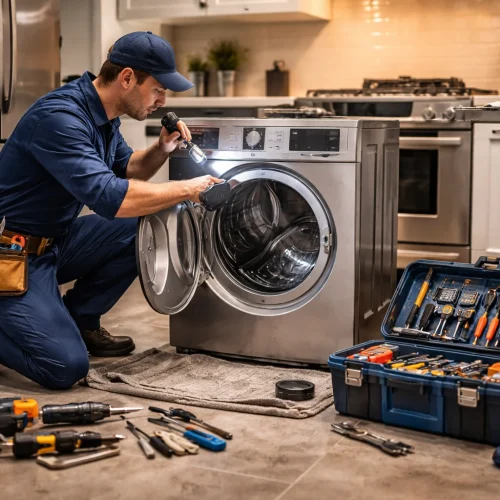
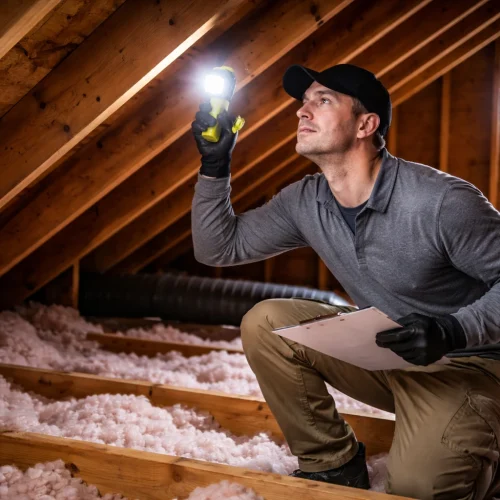
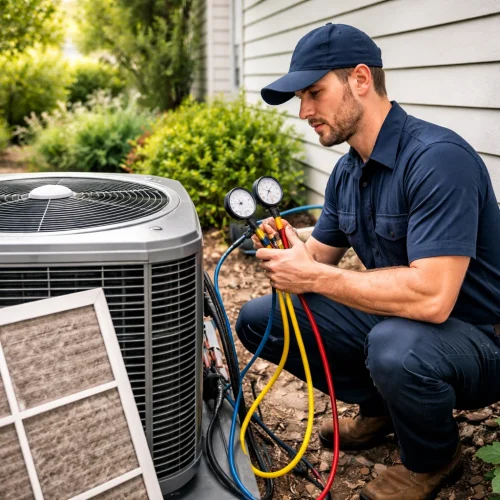
Maintenance on the front lines is quick and hands-on. Technicians are answering urgent requests, moving between sites, and making decisions in real time that affect safety and uptime. But in a lot of companies, they still have to use old ways of doing things.
People lose track of paperwork orders. It’s hard to find asset histories, or they are incomplete. People either keep preventive maintenance schedules in their heads or on a spreadsheet that isn’t often updated. These gaps don’t just slow teams down; they also make it more likely that inspections will be missed, failures will happen again, and downtime will happen without warning.
The people who work on the front lines feel it first. When systems break down, they are the ones who get called in after hours to deal with angry customers or rush to fix a small problem before it becomes a shutdown.
Helping Preventive Maintenance Work in the Real World
People talk a lot about preventive maintenance, but it’s hard to do without the right tools. On the front lines, schedules change, emergencies happen, and the first thing to go is preventive work.
Property maintenance software helps you plan and remember preventive work better. Tasks are automatically scheduled based on how long they take, how often they are used, or how well they are working. Reminders and alerts make sure that inspections don’t get missed. Asset histories show what has happened and what is going to happen next.
Over time, this consistency makes failures less likely. Assets last longer, performance levels out, and frontline teams spend less time in crisis mode.
Less Downtime, Faster Response
Things still break, even in the most proactive settings. When they do, speed is important. If you wait too long to respond, small problems can become big ones that cost a lot of money.
Problems are logged and sent to the right people right away with modern maintenance software. Work orders have information about the assets, where they are, and what to do, so technicians are ready when they get there. Teams can update job status, add photos, and close work orders from the field with mobile access.
This means that response times are shorter and handoffs go more smoothly. Things get fixed faster, and downtime is kept to a minimum.
Getting Data to Work for the Frontline
Data is only useful if it can be used. People collect maintenance data too often but don’t do anything with it. Property maintenance software fixes that by organizing data in ways that help you make better choices.
Frontline teams can spot trends in failures, find assets that need to be fixed often, and mark equipment that might be close to the end of its useful life. Supervisors can better balance the work that needs to be done. Leaders can make budgets based on what needs to be done for maintenance instead of what they think needs to be done.
When data helps with daily tasks instead of just reports, it becomes useful instead of a burden.
Giving People Power, Not Taking It Away
People are often worried that new technology will make them work harder or take the place of human judgment. In fact, the best maintenance software does the opposite. It gets rid of friction so people can do what they do best.
Technicians have more time to fix problems and less time looking for information. Supervisors don’t have to spend as much time looking for updates and can instead spend more time making processes better. Everyone gains from having clearer goals and better tools.
Morale and performance go up when people feel prepared instead of overwhelmed.
Conclusion
It takes time to build strong maintenance operations. They come from processes that are always the same, data that is always correct, and teams that are given the power to make decisions. All three are supported by property maintenance software.
It helps organizations stop putting out fires all the time by making things more visible, supporting preventive work, and speeding up responses. Over time, maintenance gets easier to plan, safer, and more efficient.
This change is very important for businesses that want to change the way work is done on the industrial front line. Property maintenance software is more than just a system; it’s the basis for long-term operational success, accountability, and resilience.
FAQs
Property maintenance software is a digital system that helps teams manage work orders, assets, preventive maintenance, and maintenance data in one place.
It gives frontline technicians quick access to information, reduces paperwork, and helps them respond faster to issues that affect safety and uptime.
It automates scheduling, sends reminders, and tracks asset histories so inspections and routine tasks are less likely to be missed.
Yes, it speeds up issue reporting, assigns work orders instantly, and ensures technicians arrive prepared, which helps fix problems faster.
Work orders include asset details, locations, and instructions, allowing teams to act immediately without searching for information.
It tracks work orders, asset performance, failure trends, maintenance history, and preventive maintenance schedules.
It helps them spot recurring problems, prioritize urgent tasks, and avoid repeated failures that waste time and effort.
No, it removes administrative friction so technicians and supervisors can focus on problem-solving and informed decisions.
Yes, it helps balance workloads, plan budgets realistically, and make decisions based on accurate maintenance data.
Over time, it leads to more reliable assets, safer operations, lower costs, and a more resilient maintenance operation overall.