There is something deeply satisfying about transforming a home. Whether you are opening a wall, adding exposed beams, replacing a roof structure, or installing oversized windows, renovation projects are where vision meets reality. But some home upgrades require more than creativity and a good contractor. They demand serious lifting power, careful planning, and specialized rigging equipment.
Many homeowners underestimate the weight of structural improvements. Steel beams, engineered trusses, stone slabs, large HVAC units, and prefabricated components can weigh hundreds or even thousands of pounds. That is where professional lifting help becomes not just helpful but essential.
If you are planning a renovation and wondering whether you need expert lifting assistance, here are some things to consider.
When Structural Elements Are Being Removed or Installed
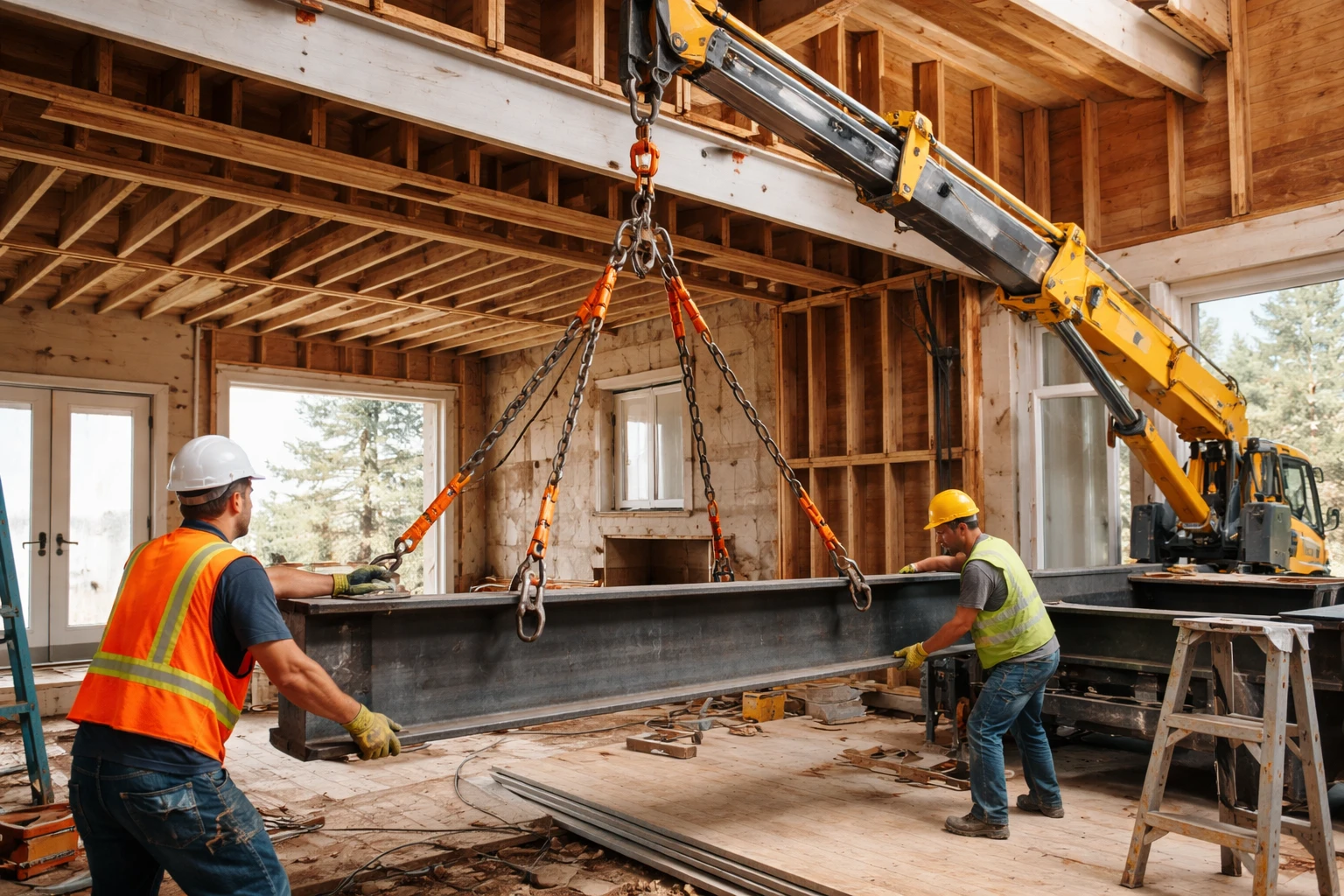
One of the clearest signs that you need professional lifting assistance is when structural elements are involved. Removing a load-bearing wall often requires installing a heavy steel beam in its place. That beam must be lifted, positioned, and secured with precision.
This is not a job for makeshift supports or improvised methods. Professional rigging crews use tools such as chain slings, wire rope slings, and adjustable lifting beams to evenly distribute weight and prevent shifting. Shackles and rigging hooks ensure secure connections between the load and the lifting equipment. Every component is selected based on weight ratings and safety standards.
Without proper rigging, a structural beam can twist, drop, or damage surrounding framing, and it can also cause serious injury. When the structure of your home is at stake, professional lifting is the safest option.
When Materials Are Oversized or Extremely Heavy
Large-format stone countertops, custom glass panels, and prefabricated roof trusses are becoming more common in modern renovations. These materials are stunning, but they are not easy to move.
For example, a single slab of granite or quartz can weigh several hundred pounds. Glass wall panels can be both fragile and heavy. In these cases, professional crews may use synthetic slings to protect finished surfaces during lifting. They may also rely on spreader bars to ensure even load distribution and prevent bending or cracking.
Using the right rigging tools prevents damage to both the materials and your home and ensures the load is balanced and controlled during lifting and placement.
When Access Is Tight or Complex
Urban renovations and multistory homes often pose access challenges. You may need to lift materials over a roof, through a second-story opening, or into a backyard with limited access points.
Professional lifting teams know how to assess these situations. They may use crane services, properly rated slings, and lifting hardware to guide materials safely into position. Tag lines are often attached to loads to control swing and rotation.
Attempting this type of lift without experience can result in property damage, broken materials, or unsafe working conditions. A professional team plans the lift path, calculates load angles, and ensures all rigging components are properly inspected before use.
When You Are Installing Heavy Mechanical Equipment
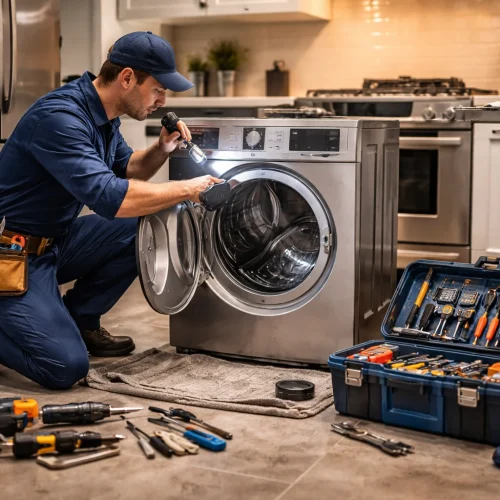
Renovations sometimes include upgrading HVAC systems, generators, or large appliances. These units are not only heavy but also awkwardly shaped. Improper lifting can damage internal components or void the manufacturer’s warranty.
Professional riggers use equipment such as plate clamps, beam clamps, and hoists to position heavy mechanical systems. Wire rope assemblies and chain hoists enable controlled vertical movement. Every connection point is carefully selected to prevent slippage or uneven loading.
If your project involves lifting a heavy air conditioning unit onto a roof or placing a large generator on a concrete pad, hiring professionals ensures the job is done safely and efficiently.
When Safety and Liability Matter Most
Homeowners often focus on budget and timelines, but safety should always come first. Injuries from improper lifting can delay a project and create significant liability.
Professional lifting crews adhere to established safety standards. They calculate working load limits, inspect slings and hardware, and ensure all equipment is rated for the job. Rigging components, such as alloy chain slings and wire rope slings, are selected based on precise weight calculations, not guesswork.
They also understand how angle factors affect load tension. A sling used at a shallow angle increases stress on the hardware. Without proper knowledge, even a strong sling can fail under the wrong conditions.
Hiring professionals reduces risk and gives you peace of mind. It protects your home, your contractors, and your investment.
When the Project Timeline Is Tight
Time is money in any renovation. Improvised lifting solutions often cause delays, adjustments, and repeated attempts to position materials properly.
Professional lifting teams deliver efficiency. With the right combination of lifting beams, shackles, rigging hooks, and slings, they can execute complex lifts smoothly and accurately. Their experience reduces trial and error.
Instead of spending hours figuring out how to move a heavy beam into place, a trained crew can complete the lift quickly and safely.
The Value of Planning Ahead
The best time to call in professional lifting help is before the materials arrive. Early planning allows the team to review blueprints, calculate weights, and select the appropriate rigging configuration.
This may include selecting between synthetic slings for delicate surfaces and alloy chain slings for high-strength applications. It may involve designing a custom lifting beam to accommodate unique load dimensions.
Planning also ensures that access points are clear and that crane placement or hoist installation is coordinated with other trades. The more complex the renovation, the more valuable professional input becomes.
Building Beautiful Spaces With the Right Support
Home renovation is about transformation. It is about turning ideas into spaces that reflect your style and support your life. Behind many of these transformations is serious engineering that most homeowners never see.
Professional lifting help is not only for massive construction sites. It plays a critical role in residential projects, where safety, precision, and structural integrity are paramount.
If your renovation involves structural beams, oversized materials, heavy mechanical systems, or difficult access, it is time to bring in experts who understand rigging tools and load control. With the correct combination of slings, shackles, rigging hooks, and lifting equipment, even the heaviest components can be safely and accurately placed.
Your home deserves careful handling at every stage. When the project becomes heavy, professional lifting support ensures your vision is built on a foundation of strength and safety.
FAQs
If your project involves structural beams, oversized materials, rooftop equipment, or loads weighing several hundred pounds or more, professional lifting support is recommended.
Some contractors can manage moderate loads, but complex or high-risk lifts require trained riggers with certified equipment and load calculations.
Steel beams, engineered trusses, stone slabs, large glass panels, HVAC units, and generators often require specialized lifting equipment.
Renting equipment does not replace the expertise needed to calculate load angles, working load limits, and safe rigging configurations.
Improper lifting can cause structural damage, material breakage, serious injury, project delays, and potential liability issues.
It’s best to involve lifting professionals during the planning phase, before materials arrive on-site.
Not always, but cranes are often needed for rooftop installations, multi-story access, or tight urban job sites.
Yes, experts use synthetic slings, spreader bars, and protective rigging techniques to prevent cracks, bending, or surface damage.
While there is an upfront cost, it often saves money by preventing material damage, injuries, and costly delays.
No, residential renovations frequently require specialized lifting when structural integrity, safety, and precision placement are involved.