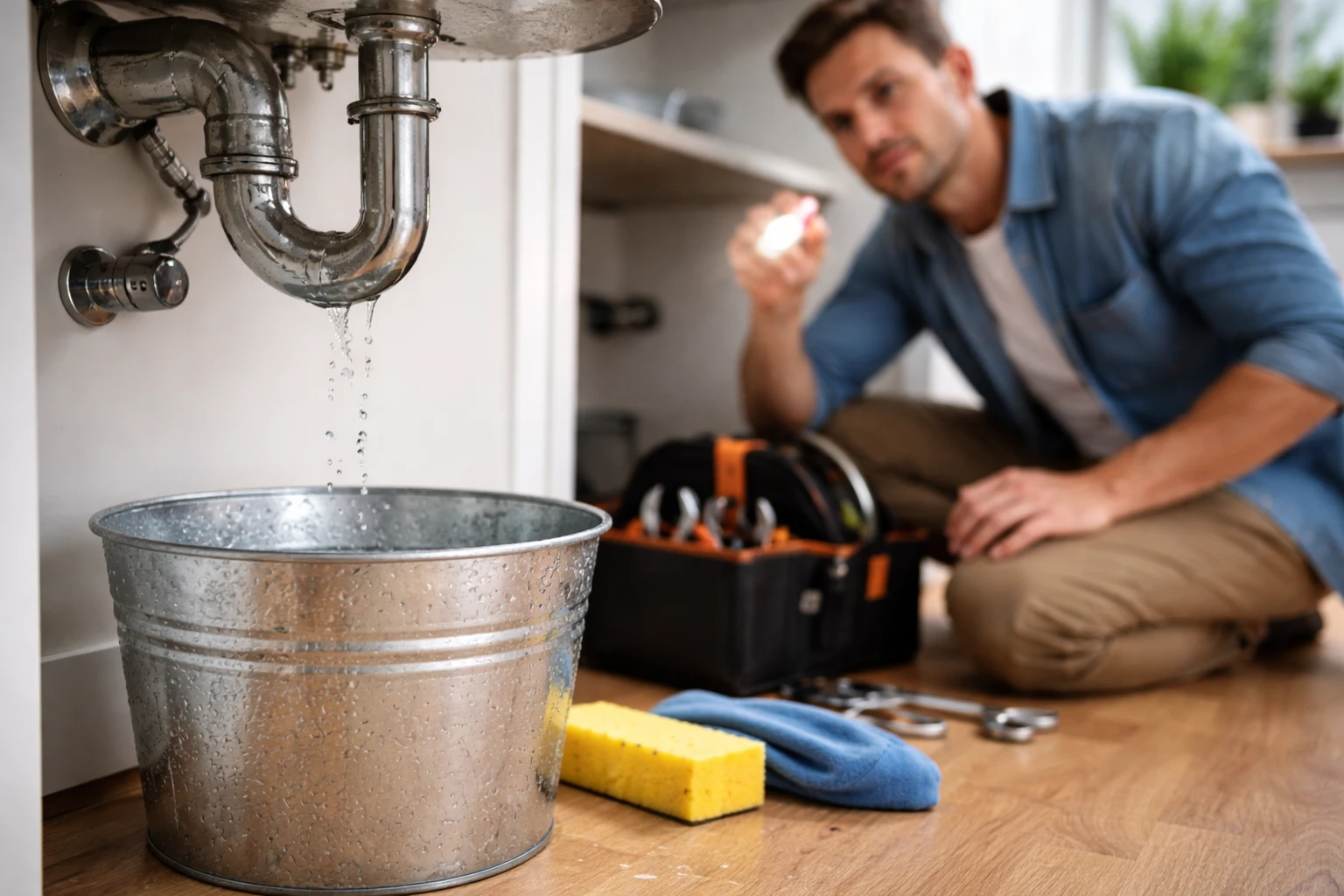
Water damage rarely announces itself with drama.
It whispers first.
A faint stain on the ceiling. A soft spot near the sink. A drip you tell yourself you’ll fix this weekend. And that’s how it starts. How to prevent water damage at home: small leaks that turn into big repairs is not about panic or worst-case scenarios. It’s about attention. Consistent, calm, practical attention.
I’ve seen it happen more times than I can count. What looked like a minor plumbing issue quietly soaked framing, warped floors, and turned into a months-long repair project. The difference between a $50 fix and a five-figure repair often comes down to timing.
This guide focuses on exactly that. Where small leaks hide. How they grow. And what homeowners can realistically do to stop water damage before it becomes structural, expensive, and stressful – especially if you’re dealing with routine maintenance – or need help with water heater repair services.
Let’s start with why water damage escalates so fast.
Why Water Damage Escalates Faster Than You Expect
Water is patient.
It doesn’t need force.
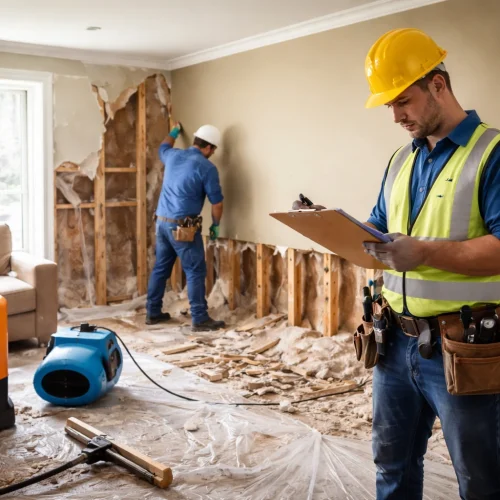
A slow leak behind drywall can spread horizontally and vertically, following gravity, wood grain, and insulation paths. It saturates materials designed to stay dry. Over time, wood weakens. Fasteners corrode. Mold spores find the perfect environment.
And because this damage happens out of sight, it’s often discovered late.
By the time you see visible signs, the real damage has usually been happening for weeks—or months.
Here’s why small leaks turn into big repairs so quickly:
- Water travels farther than most homeowners expect
- Drywall and insulation hide moisture effectively
- Structural materials absorb water before showing damage
- Drying trapped moisture takes far longer than stopping the leak
Prevention isn’t about being paranoid.
It’s about understanding where water quietly wins.
The Small Leaks Homeowners Commonly Miss
Plumbing Fixtures and Supply Lines
Under-sink cabinets are ground zero for overlooked leaks. Supply lines loosen. Valves age. Drain traps shift slightly over time.
Common issues include:
- Slow drips at shut-off valves
- Hairline cracks in plastic supply lines
- Minor seepage at threaded connections
These leaks don’t flood. They dampen. And that’s worse in the long run.
Appliances That Leak Quietly
Modern appliances are efficient. They’re also complex.
Washing machines, dishwashers, and refrigerators with ice makers rely on hoses and internal seals that wear out gradually. A slow appliance leak can run for months before anyone notices—especially if the water drains into flooring or wall cavities.
Appliance hoses should never be “install and forget” components.
Roof and Attic Entry Points
Not all roof leaks pour water into living spaces. Many drip slowly onto insulation, rafters, or attic flooring.
Common sources:
- Flashing around vents and chimneys
- Nail penetrations that loosen over time
- Small shingle failures after storms
These leaks often go unnoticed until ceilings stain or insulation becomes saturated.
Bathrooms and Wet Areas
Bathrooms hide water damage exceptionally well.
Caulk cracks. Grout erodes. Shower pans fail slowly. Toilets can leak at the base without any visible dripping.
If you’ve ever noticed flooring that feels soft near a tub or toilet, you already understand how how to prevent water damage at home: small leaks that turn into big repairs plays out in real life.
Water Heaters and Utility Areas
Water heaters deserve special attention. When issues develop, they often start at the base.
A water heater leaking from the bottom can indicate internal tank failure, sediment buildup, or pressure-related issues. These leaks don’t always spray. Sometimes they seep—slowly saturating nearby materials.
Utility closets and garages are often checked last. That’s a mistake.
Early Warning Signs You Should Never Ignore
Water damage almost always leaves clues. The challenge is recognizing them early.
Watch for:
- Discoloration on ceilings or walls
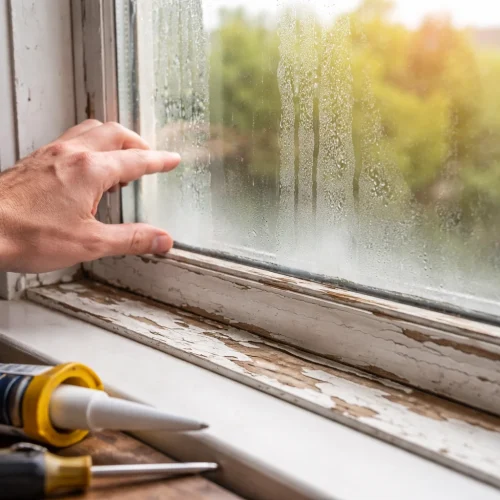
- Bubbling or peeling paint
- Warped flooring or lifted baseboards
- Musty or earthy odors
- A sudden increase in your water bill
Sounds matter too.
If you hear water running when nothing is on, something is wrong. Period.
Ignoring early signs doesn’t make them go away. It just gives water more time.
Practical Habits That Prevent Water Damage Long-Term
You don’t need to inspect your home daily.
You do need a system.
Monthly Visual Checks (10 Minutes Max)
Once a month, take a slow walk through your home.
Check:
- Under sinks
- Around toilets
- Behind washing machines
- Near water heaters
Look. Touch. Smell.
Moisture often reveals itself subtly.
Seasonal Maintenance Matters
Before heavy rain seasons or freezing temperatures:
- Inspect exterior drainage
- Clear gutters and downspouts
- Check hose bibs and outdoor connections
Water finds the weakest path. Seasonal changes create new ones.
Replace Before Failure
Supply lines, appliance hoses, and shut-off valves all have lifespans. Replacing them proactively is cheaper than repairing what happens when they fail.
Braided stainless steel lines are a simple upgrade that reduces risk dramatically.
Tools That Help Catch Leaks Early (Without Overkill)
Technology can help—but it’s not a substitute for awareness.
Useful tools include:
- Basic water leak detectors near appliances
- Smart shut-off valves for whole-home protection
- Moisture meters for targeted checks
These tools work best when paired with manual inspections. They don’t replace them.
What to Do Immediately When You Discover a Leak
This moment matters.
Stay calm.
Step 1: Shut Off the Water
Locate the nearest shut-off valve or the main supply. Every adult in the home should know where this is.
Step 2: Address Safety
If water is near electrical outlets or appliances:
- Turn off power to affected areas when appropriate
- Avoid standing water near electricity
Gas appliances may require additional caution if water exposure is significant.
Step 3: Contain the Water
Use towels, buckets, or temporary barriers. Slowing spread reduces secondary damage.
Step 4: Document What You See
Photos and notes help with future repairs and insurance documentation.
Then—and only then—decide next steps.
When a “Small Leak” Isn’t Small Anymore
Some situations require professional evaluation.
Consider outside help if:
- Moisture persists after drying
- Damage is behind walls or under flooring
- Leaks keep returning in the same area
- Structural materials feel soft or compromised
Early intervention saves materials. And sanity.
Home Water Damage Prevention Checklist
Use this as a quick reference—not a burden.
- Know the location of your main water shut-off
- Inspect appliance hoses annually
- Check under sinks monthly
- Maintain caulk and grout in wet areas
- Monitor water bills for unexplained increases
- Ensure exterior drainage directs water away from the home
Small actions. Big protection.
The Right Mindset for Preventing Water Damage
Prevention isn’t about fear.
It’s about familiarity.
When you know how your home behaves—where water flows, where it collects, where it shouldn’t be—you catch problems earlier. You respond faster. You spend less.
That’s the real lesson behind how to prevent water damage at home: small leaks that turn into big repairs.
Homes don’t fail suddenly.
They whisper first.
Listening is the skill every homeowner can learn.
FAQs
Most water damage starts with small, unnoticed leaks from plumbing, appliances, roofs, or bathrooms that worsen over time.
A quick visual inspection once a month is usually enough to catch early signs before they escalate.
Yes. Small leaks can quietly damage drywall, flooring, and framing long before visible signs appear.
Discoloration, musty smells, warped flooring, peeling paint, and unexplained water bill increases are common clues.
If water is near outlets or appliances, turning off power to the affected area is a smart safety step.
Under sinks, behind appliances, around toilets, in attics, and near water heaters are common problem areas.
Yes. Slow leaks from washing machines, dishwashers, and refrigerators often go unnoticed and spread beneath floors.
No. They help catch problems early, but regular visual checks are still essential.
If moisture persists, damage is hidden, or leaks keep returning, professional evaluation is recommended.
Consistent inspections, timely repairs, and knowing how to shut off your water supply make the biggest difference.