Michigan winters can put any roof to the test. Heavy snow, ice buildup, and sudden temperature swings all place pressure on roof structures across the state. The longer the snow sits, the more weight it adds, and that stress can cause leaks, sagging, or even collapse. The most effective way to prevent roof collapse from heavy snowfall in Michigan is to remove snow safely and maintain the roof before winter hits.
Proper maintenance and awareness make a major difference. Regular inspections reveal weak spots early, and routine care prevents small issues from turning into structural failures. Understanding the warning signs, such as ceiling cracks, bending rafters, or sticking doors, helps homeowners act before it becomes an emergency.
This guide explains how to recognize the risks, spot early warning signs, and follow practical roof care steps that keep homes safe through Michigan’s harshest snow seasons. Each section offers clear advice that helps protect both property and family safety through preparation and consistent attention.
Key Risks and Warning Signs of Roof Collapse
Michigan’s long winters put heavy pressure on homes and buildings. Thick snow, ice buildup, and poor maintenance can strain a roof’s structure and lead to partial or full collapse. Early attention to weight distribution, drainage issues, and age-related wear protects both property and safety.
The Impact of Heavy Snowfall and Snow Accumulation
Heavy, wet snow loads weigh far more than light, dry snow. Over time, this snow presses on rafters and trusses, which can cause sagging or cracking. Roofs with low slopes or flat designs trap more snow and meltwater, leading to uneven stress that weakens structural support.
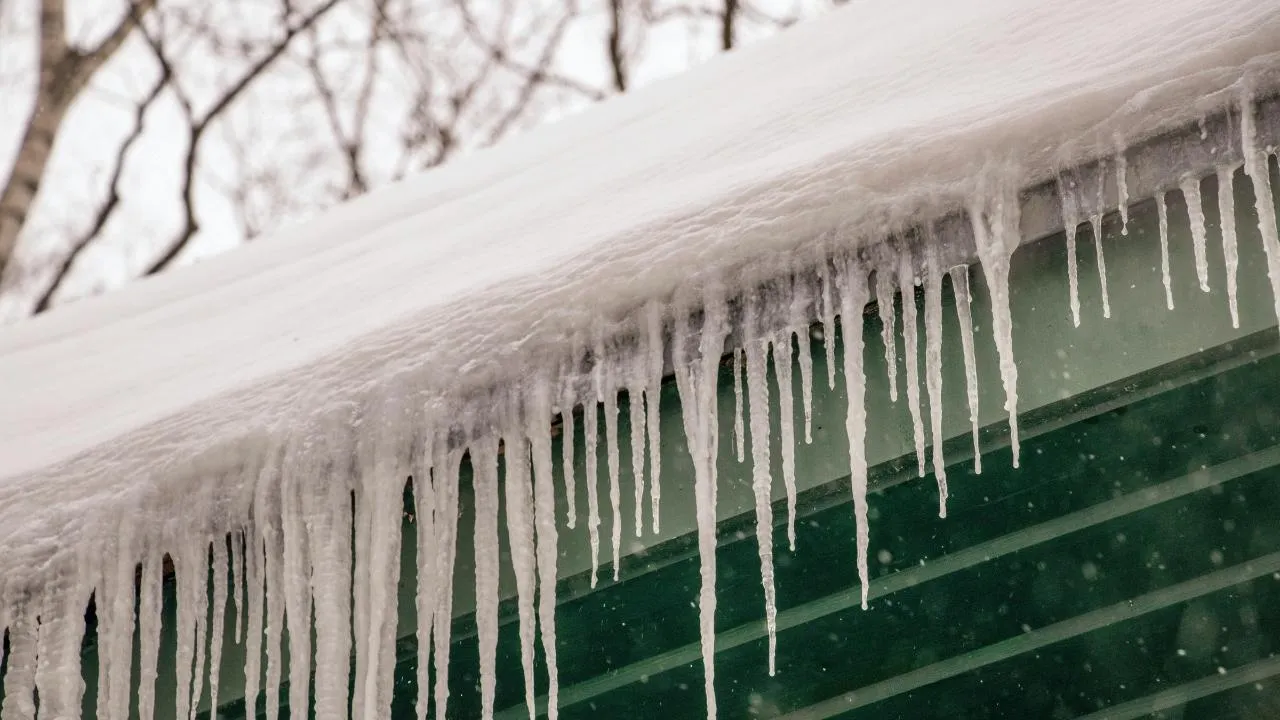
Ice dams worsen the problem by blocking water flow. Melted snow that refreezes near the roof’s edge can cause leaks and rot under shingles. Poor attic ventilation raises roof temperatures, speeding up snowmelt that refreezes on colder edges.
Experts often recommend hiring professionals such as Affordable Roofing by Roach Home Improvements to safely remove roof snow in stages. Their crews can evaluate load conditions and identify areas at higher risk before weather conditions worsen.
Common Causes of Roof Collapse in Michigan Winters
Roof collapse rarely happens overnight. It typically starts with a mix of design issues, aging materials, and poor upkeep. Older homes may not meet today’s snow load standards, so even moderate storms can expose weak points.
Poor drainage plays a large role. Clogged gutters and blocked roof drains trap meltwater that adds unnecessary weight. Ice buildup along eaves or valleys makes the load even heavier. Homes that lack proper insulation or attic airflow often face repeated freeze-thaw cycles, which degrade framing over time.
Frequent inspections and minor repairs help reduce this risk. Replacing worn shingles, resealing flashing, and reinforcing trusses prevent small problems from turning into structural failures during harsh winters.
Warning Signals of Structural Roof Issues
A few early signs often point to developing roof stress. Noticeable sagging along the roofline, cracked ceilings, or new interior leaks suggest trouble. Strange creaks or popping noises during or after a snowstorm can also hint that framing joints are under pressure.
Residents should step back and check for bowed walls, jammed doors, or windows that no longer close easily. These indicate shifting loads and structural strain. If the roof decks dip or the ceiling tiles bulge, occupants should leave the space and contact a licensed contractor for inspection.
Ignoring these warnings can lead to serious damage or collapse. Early action remains the safest way to protect both property and occupants through Michigan’s heavy winter months.
Basic Prevention Strategies and Maintenance
Heavy snowfall can push Michigan roofs past their safe load limits. To reduce risk, homeowners should focus on consistent inspections, safe snow removal, proper drainage, and controlled attic temperature. Each area directly affects how well a roof withstands weight, ice, and moisture through the winter months.
Routine Roof Inspections and Professional Assessment
Frequent roof inspections help identify weaknesses before damage spreads. Homeowners should look for cracked shingles, sagging areas, or ceiling stains that show water intrusion or stress. Small issues often point to deeper structural strain that requires attention.
A detailed inspection by licensed roofing contractors once per year gives a more complete picture. Professionals measure roof deflection, check trusses and decking, and review ventilation systems. They also estimate the building’s snow load capacity based on design and age.
Early discovery allows timely roof maintenance or partial repair instead of a full roof replacement. Regular checks after storms help keep conditions safe through Michigan’s severe winters. Consistent inspection habits cost little compared with repairing collapsed structures.
Snow Removal Methods and Safe Practices
Heavy, packed snow can weigh hundreds of pounds per square foot. Safe snow removal helps avoid roof failure and prevents falls or surface damage. A roof rake with a telescoping handle lets homeowners clear snow from the ground instead of climbing on a slippery surface.
Snow should be removed evenly to avoid unbalanced loads that twist roof sections. Ice dams near roof edges deserve prompt attention because trapped meltwater seeps into roofing materials. Homeowners should never chip thick ice directly with shovels or heavy tools, which may harm shingles.
If snow piles reach more than about 18 inches or create sagging, a professional snow removal service is safer. Contractors have specialized tools and safety gear to remove buildup without cracking roofing materials or blocking vents.
Roof Drainage, Gutters, and Ice Dam Prevention
Effective drainage keeps meltwater from freezing along the roofline. Clean gutters, clear downspouts, and open roof drains allow water to flow off safely. Before winter, gutter guards reduce blockages from leaves and debris. Maintaining clear drainage paths lowers the chance of ice dams forming under shingles.
Homeowners should check that gutters slope slightly toward downspouts. Ice dams often form where trapped water refreezes on shaded eaves. Installing heat cables in these sections can melt channels for runoff.
Routine gutter maintenance also extends roof life by preventing wood rot and leaks near fascia boards. In Michigan’s freezing climate, even small drainage clogs can add unnecessary strain to the roof structure.
Attic Insulation, Ventilation, and Heat Management
Balanced attic temperature reduces roof stress during snowy months. Proper attic insulation keeps household heat from escaping into the roof deck, which prevents uneven melting and refreezing of snow. Uneven melt patterns increase ice dam buildup, weight stress, and leaks.
Adequate attic ventilation allows cold air to circulate and maintain a consistent roof temperature. Soffit and ridge vents help release moisture and prevent condensation that could weaken rafters over time. Insulation should never block ventilation openings; both systems must work together.
Heat cables or controlled roof heating systems may support temperature management in trouble-prone spots. By combining insulation, airflow, and careful heat control, Michigan homeowners keep roofs stable and reduce the chance of collapse during long snow seasons.
Conclusion
Regular roof care protects Michigan homes from heavy snow damage. Homeowners who stay alert to early warning signs, such as sagging or ceiling cracks, can stop small problems from becoming severe. Simple actions like clearing snow safely and maintaining gutters reduce stress on the roof structure.
Seasonal inspections also make a difference. A professional can check for weak spots and advise on the best repairs before winter storms arrive. Proper attic insulation and good ventilation help prevent ice dams that add weight and cause leaks.
By keeping up with maintenance, watching for early damage, and removing excess snow, homeowners greatly lower the risk of roof collapse. Small, steady efforts keep roofs strong through Michigan’s harsh winters.