Ever had to move your coffee maker to the bedroom because the kitchen was a construction zone? In Wisconsin, where winter forces everyone indoors for months on end, planning for a major remodel takes more than wishful thinking and a Pinterest board. You can’t just start knocking down walls when snow’s piling up on the deck. In this blog, we will share how to properly prepare your home and your sanity for a serious remodel.
Preparation Starts Outside the Blueprint
Before the first contractor pulls up to your driveway or the demo crew touches a thing, the groundwork has to be done. And not just permits or budgets. We’re talking about the prep that happens inside your home, where daily life continues even as ceilings are opened and insulation flutters through the air like February confetti. This is where people misjudge what “living through a remodel” actually feels like. They assume it’s a few weeks of noise and dust. But in reality, it’s shifting routines, dodging tools, remembering your fridge is unplugged, and pretending the smell of sawdust is part of your aromatherapy regimen.
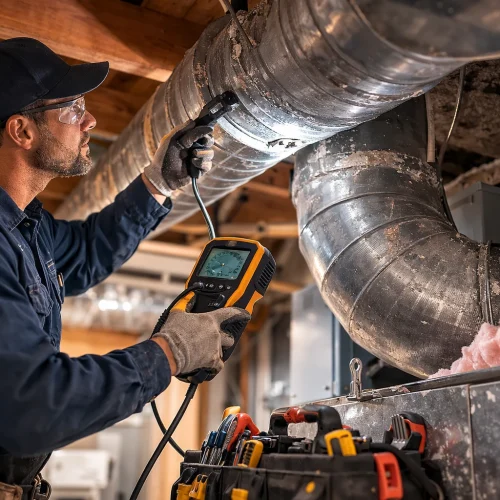
Start with storage. You can’t remodel around clutter. Everything in the construction zone needs to be cleared out—furniture, decor, and all those cords you promised to organize two years ago. Rent a storage pod or rearrange existing space. The less that stays behind, the smoother the process. Then there’s the matter of systems. Projects involving kitchens, garages, or additions often affect HVAC lines, electrical circuits, and insulation zones. Moving these things safely and strategically means getting professionals involved early. For example, garage remodels are more complex than people expect. Structural changes, insulation upgrades, even door replacements come into play.
Working with a reliable overhead garage door company in Sheboygan, WI can make a huge difference when that part of your home gets a facelift. These pros understand what’s at stake when older doors don’t seal properly or fail to support insulation goals. Modern garage doors aren’t just about looks—they’re about efficiency, security, and integrating smoothly with smart home systems. A good company helps you get those details right the first time, without pausing the whole project mid-stream. Too many remodels hit snags because people underestimated how integrated their garage is with the rest of the home’s structure. From wiring to water lines, it’s all connected. Ignoring that makes the remodel reactive instead of strategic.
Plan for the Chaos, Not Against It
There’s a strange optimism people bring to remodeling. They believe the timeline. They believe things will be clean-ish. They imagine still making dinner in the one-foot-wide strip of kitchen that remains accessible. That’s cute, but it rarely plays out that way. Instead of resisting the disruption, build around it. Create “living zones” in advance. Move essentials—coffee, snacks, chargers to accessible places far from the work. If your kitchen’s going under, set up a mini prep station in the basement or guest room. Microwave, toaster oven, cutting board. It’s not glamorous, but it works.
And while you’re planning, remember the pets. A barking dog or curious cat wandering into a demolition site is a hazard waiting to happen. Noise, dust, and constant foot traffic stress them out. Find them a quiet zone, or better yet, get them out of the house during peak construction periods. The same goes for people. If you work from home, don’t assume noise-canceling headphones will save you. Jackhammers have opinions, and they express them loudly. Book co-working spaces or rotate remote days away from the site if possible. Protect your focus while your walls get ripped open.
Your Budget Needs a Backup Budget
Everyone tells you to pad the budget. Few people listen. It’s easy to believe your project will be the exception the one that stays on track and under cost. But inflation, material shortages, and shipping delays don’t care how well you planned. The construction industry is still playing catch-up from the supply chain disruptions of the last few years. Wood, electrical components, even basic hardware have seen waves of price fluctuation. And depending on the season, labor availability can shift quickly. Planning your remodel with a 10 to 20 percent contingency fund isn’t being cautious it’s being realistic.
There’s also the hidden cost of temporary adjustments. Eating out more often, boarding pets, storing furniture, or commuting longer distances all eat into your wallet. Not to mention the occasional sanity-saving weekend getaway just to get a break from the dust and noise. Build those into your financial plan so they don’t feel like unexpected burdens. Also, be careful not to cut corners on essential upgrades. It’s tempting to go cheap when the finish line’s in sight, but decisions like low-quality insulation or bargain-rate plumbing fixtures often lead to rework later. Prioritize longevity over shortcuts.
The Emotional Side of Construction
This doesn’t get talked about enough. Remodeling your home, especially a major one, is stressful. It upends your routines, invades your space, and tests your patience. Even with a well-managed project, you’ll have days when you want to scream at drywall.
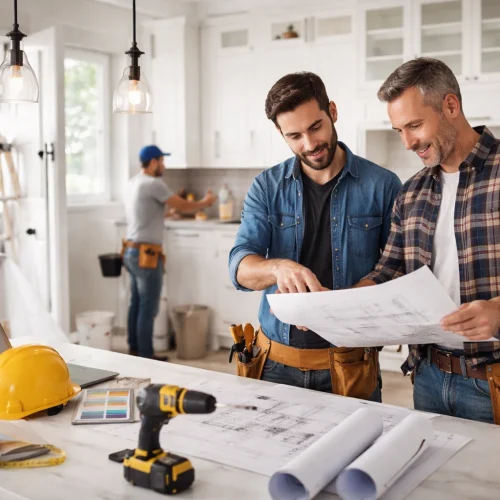
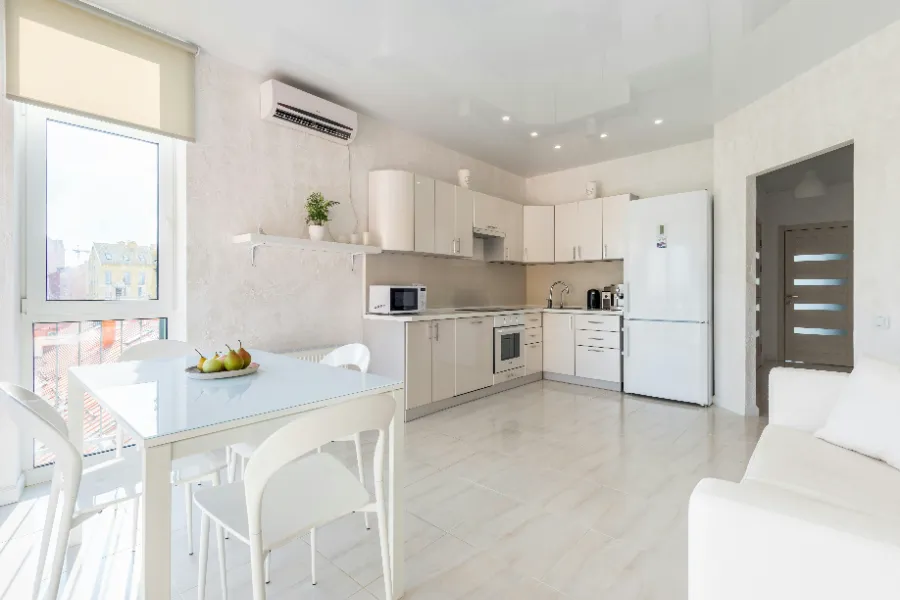
Recognize that going in. Set realistic expectations. If you’re doing the remodel with a partner, decide how you’ll handle disagreements, delays, or surprises before they show up. This isn’t just about changing a room it’s about managing change. It helps to keep a visual reminder of the goal. A rendering of the finished kitchen, a swatch board of your new color palette, something to remind you what all the mess is for. When your living room is stacked with boxes and the plumber just cut a hole in the wrong wall, those little things pull you back into perspective.
FAQs
Begin by clearing out the work zone, organizing storage, and confirming project details with your contractor.
Yes remove all furniture, décor, and valuables from the affected area to prevent damage and streamline the workflow.
Use plastic barriers, seal off vents, and place floor coverings to help reduce dust transfer to non-construction areas.
Absolutely. A designated “living zone” helps you maintain daily routines when key rooms become inaccessible.
Create a quiet, safe room away from noise, or relocate them temporarily during high-activity periods.
Have professionals assess lines, circuits, and insulation before work begins—especially for kitchen, garage, or addition projects.
Garages often connect to HVAC, wiring, and structural elements, so coordinating with a reliable door or insulation pro helps avoid delays.
A contingency of 10–20% of your total budget is recommended due to fluctuating material and labor costs.
It’s possible, but noise and disruption may be significant. Consider off-site workdays or temporary coworking spaces.
Set realistic expectations, communicate openly with your contractor or partner, and keep visual reminders of your finished design goals.