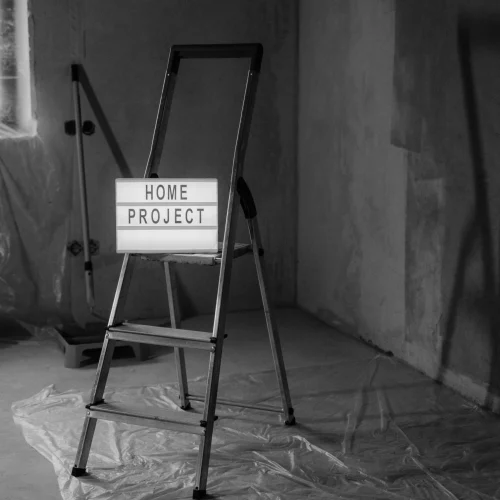

Daily home projects can feel heavier than expected. Small repairs often wait longer than planned. Loose handles, uneven shelves, and minor fixes add quiet pressure. These tasks compete with work and family responsibilities. Stress grows when projects feel disorganized or unclear. Many people delay tasks to avoid frustration. That delay creates even more mental clutter over time.
Relief comes from simple changes in approach. Better habits reduce wasted effort and energy. Clear preparation lowers stress before work begins. Small adjustments create smoother progress each day. Projects feel easier when expectations stay realistic. These tips focus on control and simplicity rather than speed. No major changes are required. Each idea supports calm, steady progress. The goal is to make daily projects feel lighter and more manageable.
1) Plan Tasks Before Starting
Starting a task without a plan often leads to confusion. Steps feel unclear and scattered from the beginning. Mistakes happen when details are overlooked. A short plan adds structure almost immediately. Writing down steps helps organize thoughts clearly. A clear order prevents repeated effort and backtracking.
Planning also saves time and physical energy. Materials can be gathered once instead of repeatedly. Fewer interruptions help maintain focus. Tasks feel smoother when the direction is clear. Small plans prevent second-guessing later. Expectations remain calm and realistic. Each step feels achievable and controlled. Planning reduces frustration during simple home projects. A clear start supports a calmer finish.
2) Use the Right Tools for the Job
Tools strongly influence how a project feels from start to finish. Poor tools slow progress and create errors quickly. Slips and mistakes increase frustration and fatigue. Proper tools improve control, accuracy, and comfort. Handling becomes easier during repeated movements. Reliable tools reduce unnecessary physical strain.
For example, many homeowners preparing for small repairs look for quality tools at shepherd’s hardware for everyday work. The focus usually stays on practical and durable options that feel easy to handle. Dependable tools reduce repeated effort and delays. Tasks feel predictable and controlled when tools perform as expected. Fewer interruptions break focus. Projects move forward more smoothly. Confidence grows with each completed step. Reliable tools help work feel calmer and less demanding.
3) Keep a Clear Work Area
A cluttered space increases frustration very quickly. Searching wastes time and patience. Clear areas support steady focus throughout a task. Even small spaces can support better organization. Defined zones improve efficiency during work. When the workspace feels calm, tasks feel less tiring. Visual order reduces mental overload during projects.
Keeping tools nearby saves effort and movement. Materials stay within reach at all times. Returning items after use prevents mess buildup. Clear spaces reduce distractions and mistakes. Safety improves without clutter underfoot. Fewer interruptions support better workflow. Work feels lighter and calmer overall. Progress stays visible throughout tasks. Organization builds confidence over time. A clean area supports calm thinking. A simple order makes projects easier to complete. Consistency keeps the space useful for future tasks.
4) Break Tasks Into Smaller Steps
Large tasks feel overwhelming almost immediately. Smaller steps reduce pressure and hesitation. Each step feels manageable on its own. Progress becomes visible much faster. Momentum builds naturally with each completed action. Breaking work down helps reduce resistance at the start. The task feels less intimidating when viewed in parts.
Short sessions support better focus and energy. One completed step creates satisfaction quickly. Small wins reduce mental resistance. Motivation grows without force or pressure. Tasks feel less demanding overall. Clear steps prevent confusion during work. Breaks stay intentional and helpful. Progress feels steady and controlled. Energy stays balanced throughout the task. Smaller steps support calm effort. Completion feels achievable without added stress. Confidence increases with each finished step.
5) Ask for Simple Advice When Needed
No one knows every solution for home projects. Asking questions saves time and effort. Guidance helps prevent common mistakes early. Learning from others reduces trial and error. Early input often shortens the entire process. Advice can help avoid unnecessary frustration.
Friends often share useful experiences. Online groups offer practical suggestions quickly. Advice builds confidence faster than working alone. Questions help clarify next steps. Early guidance avoids repeated errors. Support reduces pressure during tasks. Shared knowledge improves results. Work feels less isolating. Confidence grows with understanding. Collaboration lightens mental load. Simple advice supports calmer project completion. Asking for help often leads to better outcomes.
Conclusion
Daily projects feel easier with better habits in place. Small changes reduce stress steadily over time. Planning creates direction and calm. Proper tools support control and confidence. Organization improves focus and safety. Smaller steps build momentum naturally. Advice prevents unnecessary frustration. These tips support smoother daily routines. No major effort or renovation is required. Consistency matters more than speed. Calm progress leads to better results. Confidence grows through preparation and clarity. Stress fades when tasks feel manageable. Daily home projects become lighter and more satisfying overall.
FAQs
They feel stressful when tasks lack planning, tools, or clear steps, which creates confusion and delays.
Planning clarifies each step, reduces mistakes, and helps you work with calm expectations.
Yes, proper tools improve control, reduce effort, and prevent frustration caused by errors or delays.
A clear workspace reduces distractions, saves time, and keeps your focus steady.
Smaller steps feel manageable and build momentum through quick, visible progress.
A short list of steps and materials is often enough to stay organized and focused.
Yes, visual order reduces mental clutter and helps you think more clearly during tasks.
Ask early if you feel unsure, since guidance prevents mistakes and wasted effort.
Yes, these habits apply to any small daily tasks, regardless of home ownership.
Many people feel improvement immediately once tasks feel clearer and more controlled.