When was the last time you actually cleaned the coils behind your fridge?
Odds are, it’s been a while. Most people don’t think about their home’s hidden parts until something leaks, breaks, or stops working altogether. But houses don’t fall apart overnight. They decay slowly quietly while you’re busy doing literally anything else. In this blog, we will share how regular home maintenance keeps your space safe, efficient, and less likely to surprise you with a giant repair bill.
The Cost of Waiting
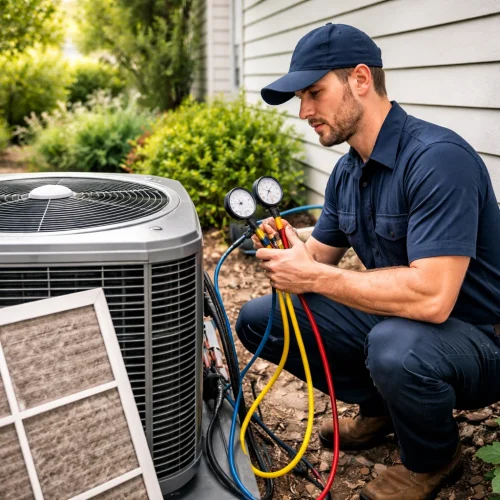
There’s a growing trend toward reactive living. People skip oil changes, delay dentist visits, ignore software updates. Homes get the same treatment. But small problems compound fast. A dripping faucet can hike your water bill. Clogged gutters can flood a basement. A dirty HVAC filter strains the system, and that strain can shave years off its life.
The shift to remote work added fuel to this fire. When your house became your office, gym, daycare, and restaurant, its wear and tear doubled. Floors got scratched faster. Filters filled up quicker. Appliances cycled nonstop. Maintenance went from being a once-a-season chore to a real-time necessity.
Still, many homeowners ignore the signs because they assume maintenance means tackling everything alone. But you don’t need to do it all. That’s where support comes in. Some companies specialize in the stuff you forget or don’t want to touch. Bailey Boys Services, for example, offers cleaning solutions that help keep high-traffic surfaces, windows, and outdoor areas in better shape freeing you up for the tasks only you can handle. The truth is, maintenance isn’t about doing everything. It’s about knowing what needs attention and keeping a rhythm before small issues grow legs.
And it’s not just your house you’re protecting it’s your time.
Technology Can Help, But It Won’t Save You
Smart homes have added layers of convenience but not immunity. Leak sensors, smart thermostats, automatic reminders they’re tools, not magic. You still have to act. Take filters. Smart systems might tell you when it’s time to change them, but they won’t walk outside and swap them out for you. You still need to check. Same with batteries in your smoke detectors, or inspecting your roof after a storm. Tech gives you data. It doesn’t replace the human element.
And ironically, more devices mean more things to maintain. Security cameras get dirty. Smart locks glitch. Batteries die. The future has its own checklist. That said, apps and reminders can reduce human error. Calendar alerts help. A recurring note to flush your water heater once a year might save you from a mineral buildup that kills it early. The tools exist you just have to use them.
Prevent Now or Pay Later
Ignoring maintenance doesn’t save you anything. It just delays the cost and multiplies it. Consider HVAC systems. Replacing a filter costs $20. Replacing a whole unit costs $5,000. A cracked caulk line around your window lets water in. That water causes rot. That rot spreads into the framing. Then you’re not caulking you’re reconstructing a wall.
Regular attention is boring, but emergencies are expensive. In a world where inflation has hiked the cost of labor and materials, a minor fix today might be out of reach six months from now. Think of maintenance like health care. Skipping a checkup might seem fine until something hurts. By then, the fix is bigger, costlier, and scarier. No one needs to overhaul their entire routine overnight. But starting with a list monthly, seasonal, and annual tasks creates a blueprint. You can spread it out. Delegate. Tackle what you’re comfortable with. But pretending the house will take care of itself? That’s how things fall apart.
Time, Not Just Tools
The most overlooked piece of home maintenance isn’t money or skill it’s time. People underestimate how long these things take. Cleaning gutters might only take an hour, but finding the hour is the hard part. And when the list builds up, it feels overwhelming, which makes it easier to delay everything.
That’s where scheduling helps. Set days for maintenance, not just cleaning. Treat them like appointments. A few hours on a Saturday can protect thousands in value. And if time is tight, outsource what you can. Some jobs don’t need your personal touch. Focus on the ones that do.
This mindset shift from firefighting to pacing makes maintenance less of a grind and more of a ritual. Your home supports you daily. You don’t need to love caulking baseboards or flushing water heaters. But it’s worth doing, because when your house holds up, you’re free to focus on the parts of life that actually matter.
In a world of rising costs, aging infrastructure, and less downtime, a well-maintained home is more than shelter. It’s stability. And stability is rare. Take care of it.
FAQs
Most tasks fall into monthly, seasonal, and annual categories. Creating a simple schedule helps you stay consistent without feeling overwhelmed.
Check HVAC filters, test smoke detectors, inspect for leaks under sinks, and clear debris from exterior drains.
Dirty filters reduce airflow, strain the system, and can shorten the lifespan of your HVAC unit.
Use calendar reminders, maintenance apps, or a printed checklist divided by month and season.
Minor issues like small leaks or cracked caulking can escalate into costly structural or mold problems.
Smart devices provide alerts, but you still need to take action they don’t replace hands-on upkeep.
Hire experts for electrical work, roof inspections, HVAC servicing, or tasks that require specialized tools or safety precautions.
Preventive care reduces emergency repairs, extends equipment lifespan, and improves energy efficiency.
Clean gutters in fall, service HVAC systems before summer and winter, inspect roofs after storms, and seal drafts before cold weather.
Yes, especially when time is limited. Professional support ensures critical tasks are handled correctly and consistently.