Cooling systems play a vital role in maintaining comfort productivity and safety in both residential and commercial environments. Whether used in offices retail spaces or industrial settings these systems work continuously to regulate temperature and protect equipment. Without proper care even the most advanced cooling systems can lose efficiency over time leading to higher energy costs and unexpected breakdowns.
Regular maintenance and professional support are essential to ensure reliable performance throughout the year. In the second stage of planning ongoing care many property managers turn to specialists such as Christy Cooling Services to help keep systems running smoothly while meeting safety and compliance standards. Taking a proactive approach allows cooling equipment to perform consistently even during periods of high demand.
Understanding How Cooling Systems Operate
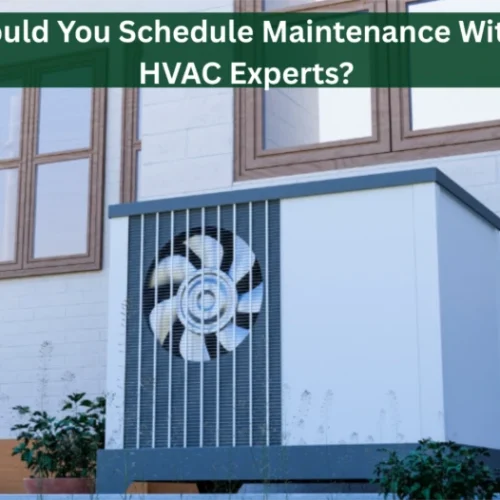
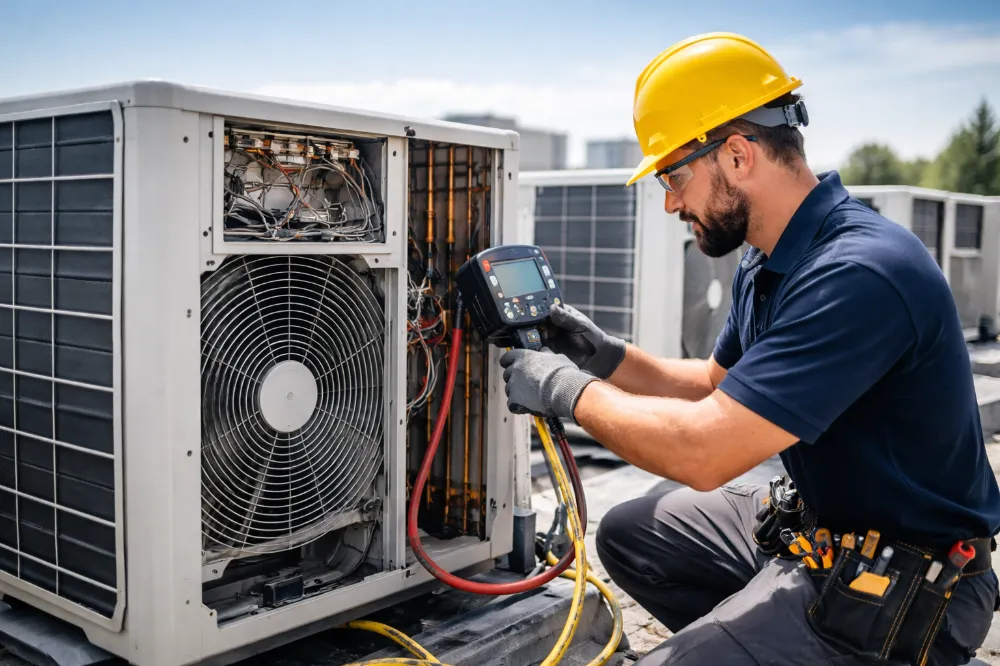
Cooling systems function by removing heat from an indoor environment and releasing it externally. This process relies on several components working together including compressors condensers evaporators and control systems. When one part underperforms the entire system can become less effective.
Common elements found in cooling systems include:
- Compressors that circulate refrigerant
- Condenser units that release heat
- Evaporator coils that absorb heat
- Fans and airflow systems
- Thermostats and control panels
Understanding these basics helps users recognise early warning signs of inefficiency and respond before issues escalate.
Why Regular Maintenance Matters
Routine maintenance is the foundation of dependable cooling performance. Systems that are serviced regularly operate more efficiently consume less energy and experience fewer breakdowns. Preventative care also helps identify worn components before they fail completely.
Key benefits of regular maintenance include:
- Improved energy efficiency
- Reduced operating costs
- Longer system lifespan
- More consistent temperature control
- Lower risk of emergency repairs
Scheduled inspections allow engineers to clean components test performance and ensure all parts are operating within recommended limits.
Common Issues That Affect Cooling Efficiency
Cooling systems often show subtle signs of trouble before a major fault occurs. Ignoring these indicators can result in reduced comfort and higher repair costs.
Typical issues include:
- Reduced airflow from vents
- Inconsistent temperature control
- Unusual noises during operation
- Increased energy consumption
- Refrigerant leaks or pressure imbalances
Addressing these problems early through professional servicing helps maintain efficiency and avoids system downtime.
Improving Energy Efficiency in Cooling Systems
Energy efficiency is a major concern for both businesses and homeowners. An inefficient cooling system can significantly increase electricity usage especially during warmer months. Simple maintenance steps can make a noticeable difference.
Ways to improve efficiency include:
- Keeping filters clean and unobstructed
- Ensuring coils are free from dust and debris
- Checking airflow pathways regularly
- Calibrating thermostats accurately
- Upgrading outdated components where appropriate
Professional engineers can also advise on modern energy saving solutions that align with current regulations and sustainability goals.
Seasonal Care and System Preparation
Cooling systems benefit from attention throughout the year not just during peak usage periods. Seasonal preparation ensures systems are ready to perform when demand increases.
Pre summer preparation should include:
- Full system inspection and testing
- Cleaning of internal and external components
- Verification of refrigerant levels
- Assessment of airflow and controls
Post season checks help identify wear and plan repairs before the next cycle of heavy use begins.
Ensuring Reliability in Commercial Environments
In commercial and industrial settings cooling systems often support essential operations. Any interruption can impact productivity product quality or customer comfort. Dependability is therefore critical.
Reliable systems support:
- Comfortable working conditions
- Protection of temperature sensitive equipment
- Compliance with health and safety standards
- Continuous business operations
Working with experienced professionals ensures that systems are designed maintained and supported to meet these demands consistently.
The Role of Professional Cooling Specialists
Professional cooling engineers bring technical expertise industry knowledge and practical experience. They understand how different systems perform under varying conditions and can tailor maintenance plans accordingly.
Advantages of professional support include:
- Accurate diagnosis of performance issues
- Safe handling of refrigerants and components
- Compliance with environmental regulations
- Access to quality replacement parts
- Ongoing advice and performance monitoring
Choosing a trusted provider ensures peace of mind and long term system reliability.
Planning for Repairs and Upgrades
Even well maintained cooling systems eventually require repairs or upgrades. Understanding when to repair and when to replace equipment can help manage budgets and avoid inefficiencies.
Signs that upgrades may be beneficial include:
- Frequent breakdowns despite regular servicing
- Rising energy costs
- Difficulty maintaining stable temperatures
- Limited availability of replacement parts
Professional assessments help determine the most cost effective solution based on system age usage and performance.
Creating a Long Term Maintenance Strategy
A structured maintenance strategy is essential for dependable cooling performance. Rather than reacting to faults a planned approach focuses on prevention and optimisation.
An effective strategy includes:
- Scheduled inspections and servicing
- Clear records of maintenance and repairs
- Performance monitoring and reporting
- Budget planning for future upgrades
This approach reduces unexpected disruptions and supports consistent efficiency over time.
Conclusion
Maintaining efficient and dependable cooling systems requires regular attention professional expertise and thoughtful planning. Through routine maintenance early intervention and expert support cooling systems can deliver reliable performance while controlling energy costs.
By adopting a proactive maintenance approach and working with experienced specialists property owners and businesses can ensure their cooling systems remain effective safe and efficient throughout the year.
FAQs
Regular maintenance improves efficiency, reduces energy costs, and prevents unexpected breakdowns.
Most systems benefit from professional servicing at least once a year, with more frequent checks for commercial use.
Reduced airflow, uneven temperatures, unusual noises, and rising energy bills are common indicators.
Yes, clogged filters restrict airflow and force the system to work harder, reducing efficiency.
Professionals inspect, test, and calibrate components while ensuring safety and regulatory compliance.
Properly calibrated thermostats ensure accurate temperature control and prevent unnecessary energy use.
Not always, but frequent repairs and rising costs can signal that an upgrade is more cost-effective.
Scheduled maintenance, seasonal preparation, and professional monitoring help ensure dependable performance.
Yes, incorrect refrigerant levels reduce cooling capacity and increase energy usage.
A planned approach minimizes downtime, controls costs, and extends the system’s lifespan.