The air inside your home could be slowly degrading without you ever noticing. This is not a dramatic statement about chemical leaks or gas emergencies. It is a quiet reality that affects millions of households across the country. Indoor air quality problems develop so gradually that most people never realize anything has changed until the effects become impossible to ignore.
The Science of Slow Adjustment
Human beings are remarkably adaptable creatures. Our senses are designed to alert us to sudden changes in our environment. A new smell grabs our attention immediately. A shift in temperature makes us reach for a sweater. But when changes happen slowly over weeks or months, our brains simply adjust. This phenomenon is called sensory adaptation, and it explains why you cannot smell your own home the way a visitor might.
When air quality declines gradually, your nose and lungs adapt to the new normal. Dust accumulates particle by particle. Mold spores multiply slowly in hidden corners. Volatile compounds off-gas from furniture and building materials at imperceptible rates. Each day brings such a tiny change that your body never sounds the alarm. By the time the air quality has declined significantly, you have already adjusted to breathing it.
Daily Habits That Contribute to the Problem
Consider the morning routine in an average household. Someone takes a hot shower, releasing moisture into the air. Breakfast cooking adds grease particles and combustion byproducts from the stove. Hair products, deodorants, and cleaning sprays contribute their own chemical signatures. Pets shake off dander. Family members track in pollen and outdoor pollutants on their shoes and clothing.
Each of these activities seems harmless in isolation. And in truth, they mostly are. The problem emerges from accumulation. These daily contributions to indoor air pollution happen over and over, day after day. Without adequate ventilation and filtration, particles and compounds build up faster than they dissipate. The process is so incremental that nobody notices the air getting heavier or staler.
Evening habits compound the problem. Cooking dinner produces more particles. Candles release soot. Gas fireplaces emit nitrogen dioxide. Even the simple act of moving around the house stirs up settled dust and redistributes it through the air. By the time everyone goes to bed, the home has absorbed another full day of pollutants.
The Hidden Spaces Where Problems Grow
Most homeowners never think about what happens inside their walls and ductwork. These hidden spaces can harbor problems for years without detection. Moisture from daily activities condenses in unexpected places. Dust accumulates in air ducts and gets recirculated every time the heating or cooling system runs.
Many homeowners eventually search for services like duct cleaning in Waco TX when they notice their air feels persistently stale despite regular surface cleaning. This often comes as a revelation. People assume that keeping visible surfaces clean means their air must be clean too. They forget about the hidden network of passages that move air throughout the home.
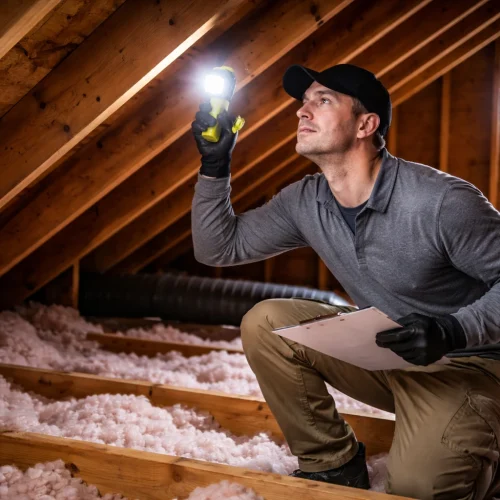
Attics, crawl spaces, and wall cavities create their own micro environments. A small roof leak can introduce moisture that supports mold growth for months before anyone notices a musty smell. Insulation can degrade and release fibers. Rodents can leave behind allergens. All of these hidden problems slowly affect the air that circulates through living spaces.
Why We Blame Other Causes
When symptoms of poor air quality appear, people rarely connect them to their indoor environment. Persistent congestion gets attributed to allergies or seasonal changes. Fatigue is blamed on busy schedules or poor sleep. Headaches are written off as stress. Dry skin and irritated eyes seem like separate problems requiring their own solutions.
The gradual nature of air quality decline makes it almost impossible to identify as the source. If you woke up one morning and suddenly could not breathe, you would know something had changed. But when you feel slightly more tired than usual, or when your allergies seem slightly worse this year, you look for explanations that match the gradual nature of the symptoms. The air quality never makes the list of suspects.
The Seasonal Reset That Never Happens
Many people assume that changing seasons naturally refresh their indoor air. Opening windows in spring and running air conditioning in summer feels like enough. But modern homes are built to be energy efficient, which often means they are also sealed tight. Air exchange with the outdoors happens more slowly than in older, draftier buildings.
Heating and cooling systems recirculate the same air repeatedly. Filters catch some particles but not all. Without intentional ventilation strategies, indoor air can become significantly more polluted than outdoor air, even in urban environments. The seasonal reset that people imagine is happening often falls far short of actually refreshing the indoor environment.
Breaking the Cycle of Ignorance
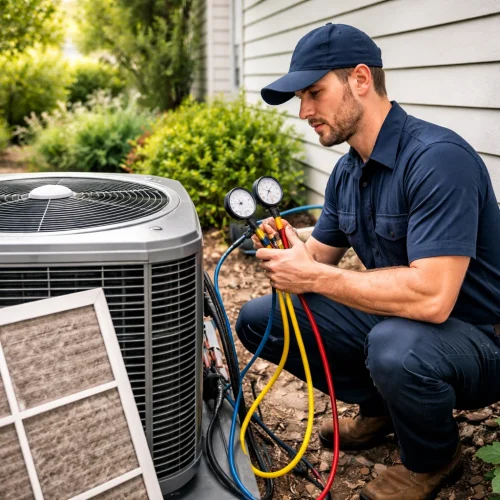
Awareness is the first step toward better indoor air quality. Understanding that problems develop gradually helps homeowners stay vigilant. Regular maintenance of heating and cooling systems, attention to humidity levels, and periodic professional assessment of air quality can prevent invisible problems from growing into serious concerns.
The air you breathe at home matters enormously for your health and wellbeing. Just because you cannot see a problem or smell a change does not mean everything is fine. By recognizing how daily habits and gradual accumulation work together to degrade air quality, you can take meaningful steps to protect yourself and your family. The invisible problem becomes visible once you know where to look.
FAQs
Indoor air quality declines gradually, allowing the body to adapt through sensory adjustment instead of triggering an immediate warning.
Sensory adaptation is the brain’s tendency to stop noticing slow environmental changes, which is why stale or polluted air can feel normal over time.
Cooking, showering, using cleaning products, grooming, and having pets all release particles or moisture that accumulate without proper ventilation.
Yes, repeated everyday actions create a steady buildup of pollutants that can degrade indoor air when filtration and airflow are insufficient.
Spaces like ducts, walls, and attics collect moisture, dust, and allergens that circulate through the home without being seen.
Surface cleaning helps but does not address pollutants trapped in ductwork, insulation, or hidden cavities where air circulates.
Symptoms such as fatigue, congestion, or headaches develop slowly and are often blamed on stress, allergies, or seasonal changes instead of indoor air.
Yes, energy-efficient construction reduces air exchange, allowing indoor pollutants to build up faster than they escape.
Temporary ventilation helps, but it rarely provides enough air exchange to counter daily pollutant accumulation.
Awareness is key—recognizing that invisible, gradual changes affect air quality allows homeowners to take preventive action before problems escalate.