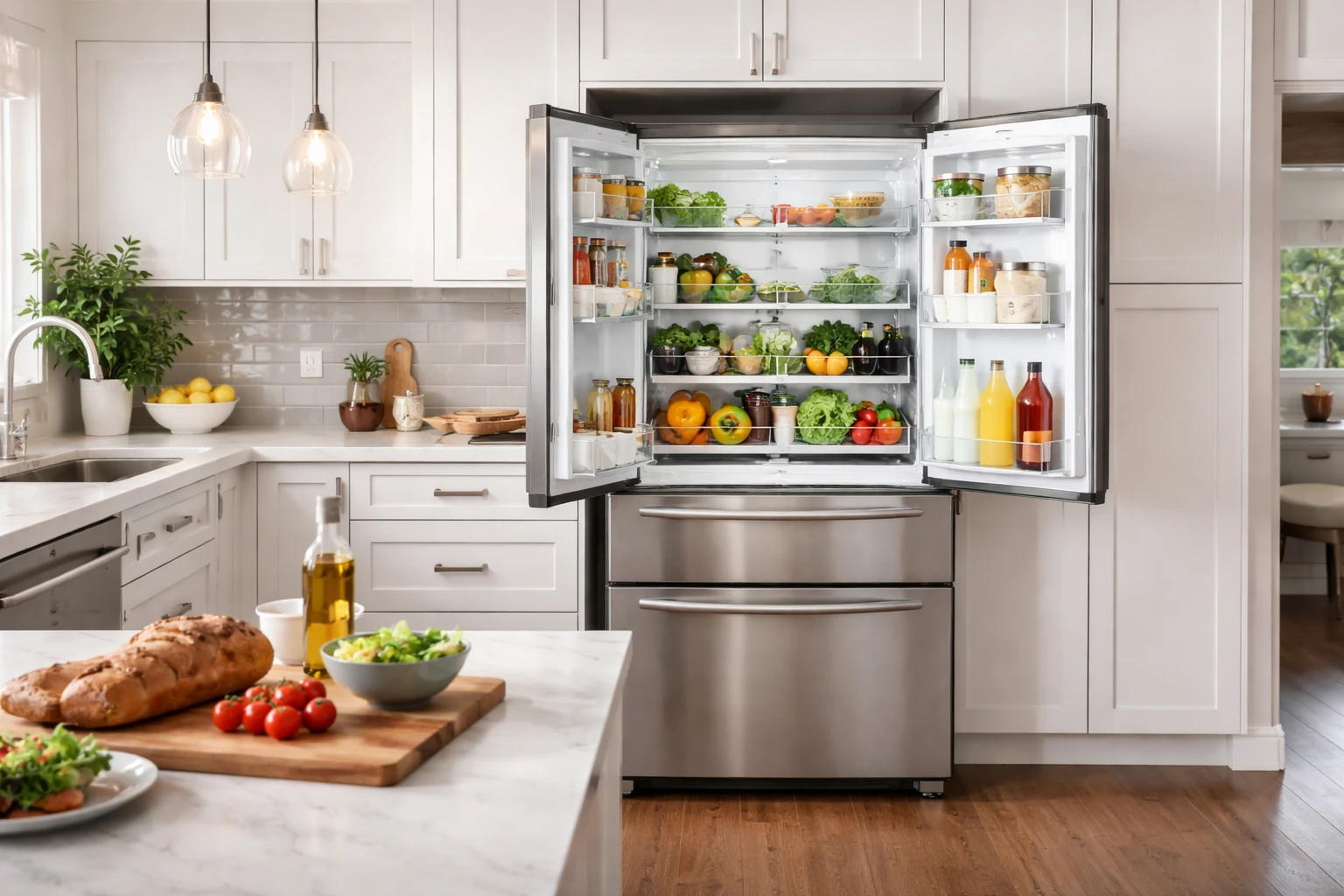
There are occasions when a homeowner should consider upgrading their appliances. Technology continues to advance, with some items for the home saving energy while lowering bills and doing a better job than their older counterparts. As lots of time is spent in the home, it makes sense to increase comfort in it to enjoy life without worrying about packing up at any moment.
Why Choosing the Right Refrigerator Matters
Choosing the right refrigerator is an important decision because it is one of the most frequently used appliances in any home, keeping food fresh, helping reduce waste, and making everyday kitchen tasks easier. It might be a Mitsubishi fridge that catches the eye, among the many makes, models and sizes that can fit into any kitchen, but what should anyone look for when purchasing the ideal product?
Measure Your Available Kitchen Space Carefully
The best start is to measure the space where the refrigerator will go, considering its height, width, and depth of the area, but also remembering to allow space for ventilation and door clearance. It is also wise to measure hallways, doorways, and staircases to ensure the appliance can be delivered into the home and save potential embarrassment.
Choose the Refrigerator Layout That Fits Your Kitchen
The best choice often depends on the cooking habits and kitchen design, with refrigerators coming in several different layouts. They include top-freezer, bottom-freezer, side-by-side, and French-door refrigerators, which require thought on how groceries are organised and choosing a layout that will make daily use convenient, maybe assisted by fluorescent lighting.
Consider Household Size and Storage Needs
The number of people living in the home plays a major role in determining how large a fridge should be. A single person or couple may only need a compact refrigerator, while a large family will likely require much more storage space. Those who frequently cook large meals, store leftovers, or buy groceries in bulk are likely to want additional space from their new unit.
Prioritize Energy Efficiency for Long-Term Savings
The energy efficiency provided by a fridge should be part of the equation when buying a new one, as it will be running 24/7, meaning its energy consumption can significantly affect household electricity bills. Choosing an energy-efficient model can save money over time and reduce environmental impact, often through the inclusion of modern inverter compressors.
Check Electrical Safety and Interior Storage Features
Ensuring the home has safe electrical wiring, particularly in older properties, is a good idea before buying a new fridge. The cooling appliance should include adjustable shelves, door bins, and specialised compartments that can make a big difference in how easy it is to organise food, as clear compartments and interior lighting can also make it easier to access items quickly.
Evaluate Modern Refrigerator Features and Budget
Modern refrigerators often include advanced features such as ice makers, water dispensers, smart connectivity, and touch screens, which, while offering increased practicality and looking good, are also likely to cost more. Leading manufacturers offer a range of quality models to fit all budgets, sometimes also coming with payment options.
Final Thoughts
Choosing the ideal refrigerator should involve measuring the available space carefully, selecting the right style, considering household size, and prioritising energy efficiency while remaining within a set budget.
FAQs
The right size depends on the number of people in your household and how much food you typically store. Larger families or those who buy groceries in bulk usually benefit from bigger models.
Measure the height, width, and depth of the installation space and allow extra room for ventilation and door clearance. Also check doorways and hallways to ensure the refrigerator can be delivered inside.
It depends on your kitchen habits, but French-door and bottom-freezer designs are popular because they provide easy access to fresh foods.
Refrigerators run continuously, so an energy-efficient model can significantly reduce electricity costs and environmental impact over time.
Adjustable shelves, door bins, humidity-controlled drawers, and clear compartments help keep food organized and easy to access.
Smart features like touch screens, Wi-Fi connectivity, and app controls can add convenience, but they may not be necessary for every household.
Most refrigerators last around 10–15 years, depending on the brand, maintenance, and how frequently they are used.
Yes, especially in older homes, ensuring the wiring and outlets are safe can prevent electrical issues and protect your appliance.
French-door refrigerators are among the most popular because they combine wide shelving with convenient freezer storage.