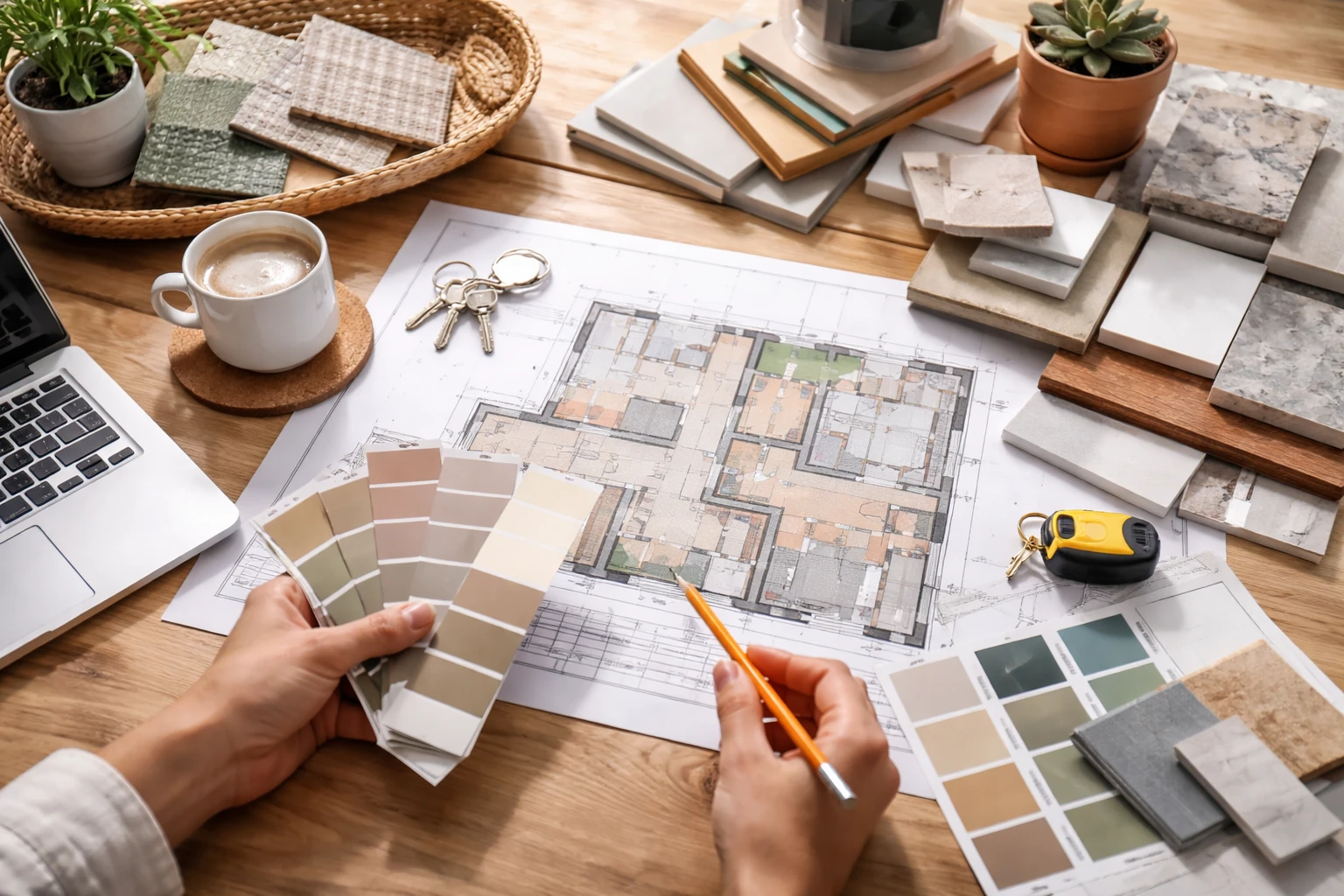
Renovating your home is one of the most rewarding projects you could ever take on, but it’s also a dizzying minefield of decisions.
From choosing the right shade of off-white to finding your favorite countertop material, it’s so easy to feel overwhelmed by the sheer possibilities. But figuring out your style early isn’t all about aesthetics—it will keep you sane throughout the project.
By locking in a clear vision before you swing the sledgehammer, you eliminate mid-project stress and avoid expensive last-minute changes. Here’s how to create that dreamy end result that actually looks like the home you imagined.
Design with daily routines in mind
Before you get inspired by the latest interior mood boards, look at the way you actually live. A minimalist white-on-white living room might look crisp in the photos, but if you’ve got two golden retrievers and a toddler, it’s going to pretty much be a nightmare.
Your daily habits are your best pointers for layouts, colors, and textures to support your lifestyle. Ask yourself:
- Where do we spend the most time? If everyone hangs out in the kitchen while you cook, prioritize a large island with durable seating.
- What do our mornings look like? If you need calm to start the day, lean toward soft, cool tones and natural textures.
- Are we high-maintenance? If you hate scrubbing grout, steer clear of tiny mosaic tiles in the shower.
Think about your real preferences, not just cute ideas
Once you really understand what you need, it’s time to get inspired. Start collecting pictures, fabric swatches, and paint samples that resonate with you.
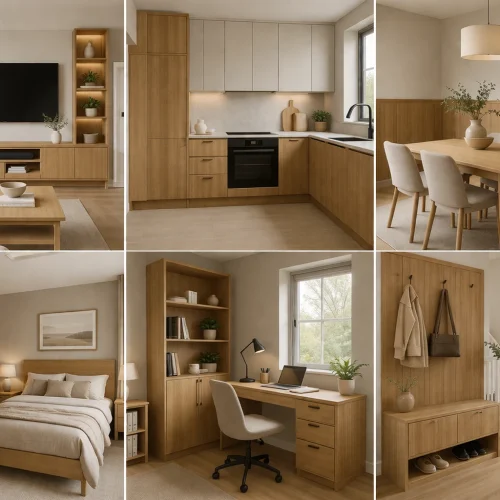
As you gather these images together, you might start to notice patterns. Maybe every kitchen you’ve saved features matte black hardware, or every bedroom has light oak wood flooring. Any theme that appears to recur points towards your personal style emerging.
- Our pro tip: Don’t limit yourself to American interior trends. Explore international design choices from across Europe or even Asia, where modernism meets heritage in many houses. If you run into regional content blocks during your research, you can use a VPN extension to bypass those restrictions. Let your creativity lead the way!
Compare ideas with your budget and timeline
Finally, there needs to be a reality check phase, too. It’s all too easy to fall in love with a $20,000 custom staircase, but if that eats up half your total budget, something has to give.
Prioritizing your must-haves versus your nice-to-haves will help you to avoid any disappointment later. A good rule of thumb is to invest in the things that are more difficult to change later, like the flooring and windows, so you can save on the things that are easy to swap out, including lighting and furniture.
Conclusion
This level of planning is the secret to a smooth renovation. And when you commit to specific finishes and details, you prevent the midway pivot that sends budgets spiraling out of control. With your practicalities, preferences, and budget in mind, you’ll already have the answers to your contractors’ questions.
FAQs
Planning helps define your goals, budget, and timeline before work begins. It prevents costly changes and keeps the renovation organized from start to finish.
Start by collecting inspiration such as photos, color palettes, and materials you like. Over time, patterns will appear that reveal your personal design preferences.
Functionality should always come first. A beautiful design works best when it also supports your daily routines and practical needs.
Your routines determine how spaces should function. For example, frequent kitchen gatherings may require larger islands or open seating areas.
Use mood boards, magazines, online galleries, and social media to collect ideas. Saving multiple examples helps identify recurring themes you naturally prefer.
Create a clear budget and separate must-haves from optional upgrades. Focus spending on structural elements like flooring and windows first.
Ideally, most design decisions should be finalized before construction begins. This reduces delays and prevents unexpected budget increases.
International styles can introduce unique materials, layouts, and aesthetics that may not appear in local trends. This can help create a more distinctive and personalized home.
Many homeowners underestimate costs, change designs mid-project, or prioritize trends over lifestyle needs. Careful planning helps avoid these issues.
Clear plans allow contractors to understand your expectations and execute the project efficiently. It also reduces misunderstandings and keeps the timeline on track.