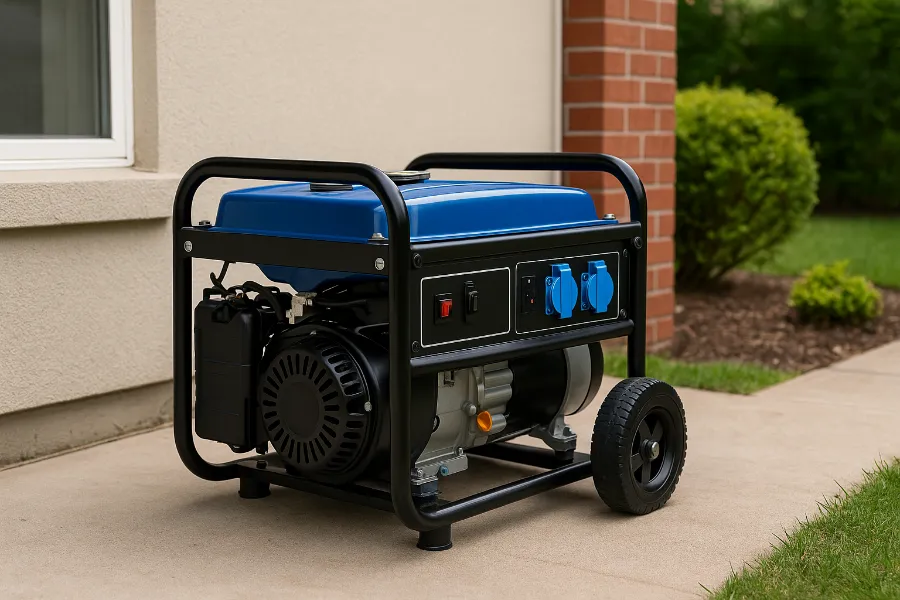
Choosing the best petrol generator for home use starts with understanding what kind of power supply suits everyday needs. The best petrol generator for a home provides enough wattage to run essential appliances, uses fuel efficiently, and operates safely during outages. A clear idea of household energy demand helps narrow down options and prevents paying for more capacity than necessary.
Power interruptions can happen at any time, so having a dependable backup source brings peace of mind. A good generator should start easily, run smoothly, and handle both short and long outages without wasting fuel. It should also meet local safety standards and be simple to maintain. This guide explains the key factors that matter most, from power output and fuel efficiency to noise levels and portability. It also covers practical points such as placement, maintenance, and usage tips to help every household choose a generator that fits both budget and lifestyle.
Key Factors When Choosing a Petrol Generator
Selecting the right petrol generator depends on knowing how much power the household needs, the difference between starting and running wattage, the generator type, and how long it can operate on a full tank. Paying attention to these details helps buyers match performance, noise, and fuel efficiency to their actual use.
Assessing Your Power Needs
Before buying, the user should list every appliance or tool that may need power during an outage. Each item has a wattage requirement, usually printed on its label or in the manual. Add these figures to estimate total demand. Divide devices into important(like fridges, lights, and medical equipment) and non-essential items. This helps priorities which devices must stay on if capacity is limited.
A small home may need a generator rated between 2 kVA and 4 kVA, while larger homes or properties with multiple air conditioners may require 6 kVA or higher. For a wide range of portable units, buyers can explore https://www.chainsawspares.com.au/ebay-store-3/generators/ to find generators suitable for various needs. Always plan for a bit more capacity than the total calculated load. This prevents overloading and allows extra room for temporary surges.
Understanding Wattage: Starting vs Running
Every generator lists two power ratings: starting wattage and running wattage. Starting wattage covers the brief surge that occurs when a motor-driven appliance, such as a refrigerator or pump, first turns on. Running wattage reflects the steady power needed after the appliance has started. For example, a fridge may need 1,200 watts to start but only 200 watts to keep operating. If several appliances start at once, total demand spikes.
To size a generator accurately, add the highest single starting wattage to the total running wattage of all other devices. This method prevents tripping the overload circuit and keeps the generator stable. A clear understanding of these figures helps buyers choose a generator that can handle both normal and peak loads without strain.
Types of Petrol Generators: Conventional vs Inverter
Petrol generators generally fall into two categories: conventional and inverter. Conventional models use a fixed engine speed to produce current. They cost less and suit heavy-duty tasks such as powering tools or large appliances. Inverter generators use advanced electronics to convert DC to AC power. They deliver cleaner electricity that protects sensitive electronics like laptops and televisions. They also adjust engine speed based on load, which reduces fuel use and noise.
Those who value quiet operation and efficiency often prefer inverter units. However, users who need higher wattage at a lower price may find conventional generators more practical. Choosing between the two depends on intended use, budget, and noise tolerance.
Fuel Tank Capacity and Runtime
Fuel tank size directly affects how long a generator can operate before refueling. A larger tank means longer runtime, but adds weight and bulk. Smaller tanks suit short-term use or portable setups. Runtime also depends on engine efficiency and load. A generator may run for 6 to 12 hours on a full tank, depending on size and power draw.
To compare models, check the liters per hour rate listed in the specifications. This figure helps estimate fuel costs and how often refueling will be required. For safety, refuel only after the engine cools. Keep fresh petrol and store it in approved containers. Proper fuel management extends the generator’s service life and reduces maintenance issues.
Practical Considerations for Home Use
A home generator should fit the household’s space, power needs, and safety setup. Proper storage, safe connection to the home’s electrical system, and careful management of power during outages all help maintain steady electricity without damage or risk.
Portability and Storage
Portability matters for households that move their generator between areas or store it after each use. A portable generator with solid wheels and a foldable handle allows easier movement across driveways or lawns. Weight also affects convenience; lighter models suit smaller homes, while heavier ones may need two people to lift safely.
Storage space must stay dry, shaded, and well-ventilated. Petrol should remain in approved containers away from direct sunlight or heat sources. Regular checks for leaks or rust help prevent fire hazards. Before storage, users should drain old fuel or add a stabilizer to keep the engine clean. Covering the generator with a breathable, weather-resistant cover protects it from dust and moisture. Proper storage extends engine life and keeps the unit ready for the next power outage.
Using a Transfer Switch Safely
A transfer switch connects a generator to a home’s main electrical system without back-feeding power into the grid. It prevents electric shock and damage to appliances. Professional installation is strongly advised because incorrect wiring can cause fires or harm utility workers.
Before starting the generator, the homeowner should confirm the main switch is in the off position. After that, the transfer switch can safely direct power from the generator to selected circuits. Each model supports a specific power load, so matching the switch’s capacity to the generator’s output avoids overload. Clear labelling of circuits helps identify which appliances receive backup power. Regular inspection of the switch for loose wires or corrosion keeps the system safe and functional.
Managing Power During Outages
A home generator cannot power every appliance at once, so careful planning helps avoid overload. High-demand devices such as air conditioners or water heaters should run separately from smaller electronics.
Users should switch on one item at a time and monitor performance. Fuel levels and oil should also be checked regularly during long power outages. Turning off the generator for short breaks allows cooling and prevents engine strain. Good load management keeps the generator steady, reduces fuel waste, and protects appliances from sudden power drops.
Conclusion
A petrol generator can meet household power needs during outages or outdoor use. The right choice depends on power capacity, fuel efficiency, noise level, and safety features. Each factor influences performance and convenience in daily use.
Buyers should compare models based on wattage, runtime, and portability. Regular maintenance such as checking oil, using fresh fuel, and cleaning filters keeps a generator in good shape. A well-chosen petrol generator provides steady power for essential appliances and supports daily comfort even during blackouts.
FAQs
Most homes need between 2 kVA and 6 kVA depending on essential appliances and total wattage demand.
List each appliance’s wattage, add them together, and include extra capacity for starting surges.
Starting wattage is the temporary surge when appliances start; running wattage is the steady power needed afterward.
Inverter generators are quieter, more fuel-efficient, and produce cleaner power for sensitive electronics.
Runtime typically ranges from 6 to 12 hours depending on tank size, load, and engine efficiency.
Most portable units only cover essential circuits. Whole-house power requires a larger generator and proper transfer switch setup.
Yes, a transfer switch ensures safe connection to home circuits and prevents back-feeding into the grid.
Noise levels vary, but inverter models are generally much quieter than conventional units.
Keep it in a dry, ventilated area, drain old fuel or add stabilizer, and cover it with a breathable protective cover.
Regular oil checks, fresh fuel, clean air filters, and periodic test runs help keep the generator reliable.