Self-care has become a popular part of modern life. We talk about mindfulness, journaling, boundaries, and morning routines more than ever before. While these practices are valuable, many self-care routines still miss one foundational element: physical recovery.
Mental clarity, emotional balance, and resilience don’t exist in isolation from the body. When the body is under constant physical stress poor sleep, muscle tension, inflammation, or nervous system overload no amount of positive thinking can fully compensate. True self-care isn’t only about how you feel emotionally. It’s about how well your body recovers, resets, and adapts to daily stress.
The Modern Definition of Self-Care Is Incomplete
Scroll through wellness content online and you’ll see a familiar pattern:
- Meditation apps
- Skincare routines
- Productivity boundaries
- Digital detoxes
These tools focus heavily on the mind. Meanwhile, the body is often treated as something that should simply “keep up.”
But stress is not just psychological. It’s physical.
Long hours sitting, intense workouts, constant screen exposure, and poor sleep all place real demands on the body. Without recovery, these stressors accumulate quietly until they show up as fatigue, irritability, anxiety, or burnout.
Ignoring physical recovery doesn’t make stress disappear it just pushes it deeper into the system.
What Physical Recovery Actually Means
Physical recovery is often misunderstood as something reserved for athletes. In reality, it applies to everyone.
Recovery includes:
- Allowing muscles and connective tissue to relax
- Supporting circulation and lymphatic flow
- Calming the nervous system
- Reducing low-grade inflammation
- Restoring energy and sleep quality
You don’t need to run marathons to need recovery. A full workday, emotional stress, or lack of rest can tax the body just as much as exercise.
The Body Stores Stress Whether We Acknowledge It or Not
Stress doesn’t only live in the mind. It shows up physically as:
- Tight shoulders and jaw
- Shallow breathing
- Digestive discomfort
- Headaches
- Poor sleep
Over time, this tension becomes the body’s “normal.” Many people don’t realize how much stress they’re carrying until they experience deep physical relaxation.
This is why physical recovery practices often feel emotional. When the body finally lets go, the mind follows.
Why Mental Self-Care Alone Isn’t Enough
Meditation and journaling are powerful but they don’t address circulation, muscle tension, or physical fatigue.
If your nervous system is constantly activated, mental practices may feel like a temporary pause rather than a reset. This leads to frustration: “Why am I doing everything right but still feel exhausted?”
Physical recovery helps the body shift from survival mode into repair mode. Once that happens, mental and emotional practices become far more effective.
Heat Therapy as a Gateway to Recovery
Heat has been used for centuries as a recovery tool across cultures from Nordic sauna traditions to Eastern bathing rituals.
Modern research shows that heat exposure supports:
- Increased blood flow
- Muscle relaxation
- Nervous system calming
- Improved sleep patterns
Heat doesn’t just relax the body it sends a signal of safety, allowing the system to unwind.
Why Saunas Fit Naturally Into Self-Care Routines
Sauna use bridges the gap between physical and mental wellness.
Inside a sauna, external distractions fade. There’s no phone, no multitasking, no productivity pressure. The experience encourages stillness physically and mentally.
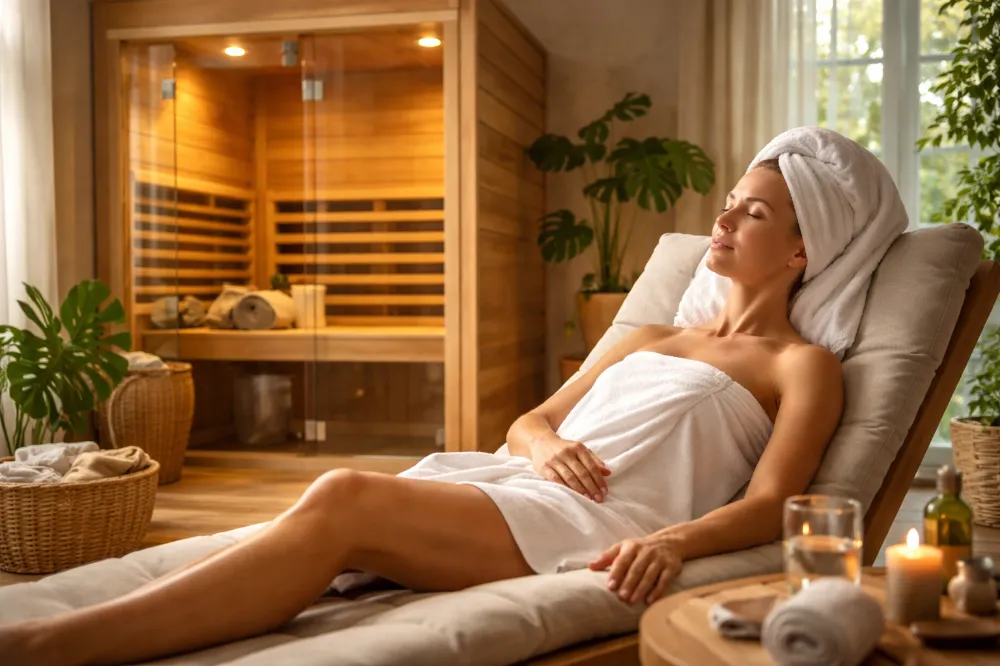
A traditional sauna for home use, for example, allows people to integrate recovery into daily life rather than treating it as an occasional luxury. Consistency is what transforms recovery from an indulgence into a habit.
The Nervous System: Where Recovery Really Happens
One of the most overlooked benefits of physical recovery is its effect on the nervous system.
Most people live in a state of chronic sympathetic activation the “fight or flight” mode. This state is useful in short bursts but damaging when constant.
Recovery practices such as heat exposure help activate the parasympathetic nervous system, which is responsible for:
- Rest and digestion
- Tissue repair
- Emotional regulation
- Deep sleep
This shift is subtle but powerful. It’s often why people feel calmer, clearer, and more grounded after physical recovery sessions.
Hybrid Recovery: Meeting the Body Where It Is
Not everyone responds the same way to recovery tools. Some people prefer high heat, others benefit from gentler approaches.
An indoor hybrid sauna combines different heating methods, allowing flexibility in how the body receives heat. This adaptability supports a broader range of recovery needs from stress relief to muscle relaxation without overwhelming the system. For people new to recovery practices, hybrid approaches can make consistency easier and more approachable.
Why Recovery Supports Emotional Resilience
Emotional resilience isn’t just about mindset it’s about capacity.
When the body is exhausted, small stressors feel overwhelming. When the body is recovered, the same challenges feel manageable.
Regular physical recovery can support:
- Better emotional regulation
- Reduced anxiety responses
- Improved patience and focus
- Greater sense of presence
This is why people often describe recovery rituals as “grounding.” The body becomes a stable foundation for emotional life.
Recovery as a Boundary, Not a Reward
One reason recovery is missing from self-care routines is that it’s often treated as something to earn.
People say:
- “I’ll rest when things slow down.”
- “I’ll recover after I finish this project.”
- “I’ll relax once I’m less busy.”
But stress doesn’t wait for permission.
Reframing recovery as a non-negotiable boundary, rather than a reward, changes everything. Just like sleep, recovery works best when it’s regular and protected.
Real-Life Examples of Recovery in Everyday Life
- A remote worker uses heat therapy in the evening to transition out of work mode.
- A parent incorporates short recovery sessions to release physical tension after long days.
- A fitness enthusiast balances intense training with deliberate recovery to avoid burnout.
These aren’t extreme wellness lifestyles. They’re practical adaptations that recognize the body’s limits.
How to Start Integrating Physical Recovery Into Self-Care
You don’t need a complex plan. Start small.
- Schedule recovery like any other appointment
- Choose practices that feel restorative, not punishing
- Pay attention to how your body responds
- Prioritize consistency over intensity
Recovery should leave you feeling calmer and clearer not depleted.
Why Long-Term Self-Care Depends on the Body
Self-care trends come and go, but the body’s needs remain constant.
Without recovery:
- Stress accumulates
- Motivation declines
- Emotional resilience weakens
With recovery:
- Energy stabilizes
- Sleep improves
- Mental clarity increases
Physical recovery doesn’t replace mental self-care it makes it sustainable.
Final Thoughts
Self-care isn’t just about what you think or feel. It’s about how well your body is supported beneath it all.
Physical recovery is the missing piece that allows self-care routines to work at a deeper level. When the body feels safe, rested, and restored, the mind naturally follows. In a culture that rewards constant output, choosing recovery is a powerful act of self-respect and one that pays dividends far beyond the moment of rest.
FAQs
Physical recovery focuses on helping the body rest, reset, and repair through practices that reduce tension, stress, and fatigue.
Many self-care routines focus on mental and emotional wellness while assuming the body will naturally keep up without dedicated recovery.
No, physical recovery is essential for everyone, including people with sedentary jobs, high stress levels, or poor sleep patterns.
Unresolved physical stress can contribute to fatigue, irritability, anxiety, poor focus, and emotional burnout.
Persistent muscle tension, poor sleep, headaches, shallow breathing, and ongoing exhaustion are common indicators.
Mental practices help, but they cannot fully address muscle tension, inflammation, or nervous system overload on their own.
Heat therapy improves circulation, relaxes muscles, calms the nervous system, and can enhance sleep quality.
Saunas combine physical relaxation with mental stillness, helping shift the body into a restorative state.
Recovery activates the parasympathetic nervous system, which supports rest, digestion, tissue repair, and emotional regulation.
Begin with small, consistent practices such as heat exposure, gentle stretching, or scheduled rest time.