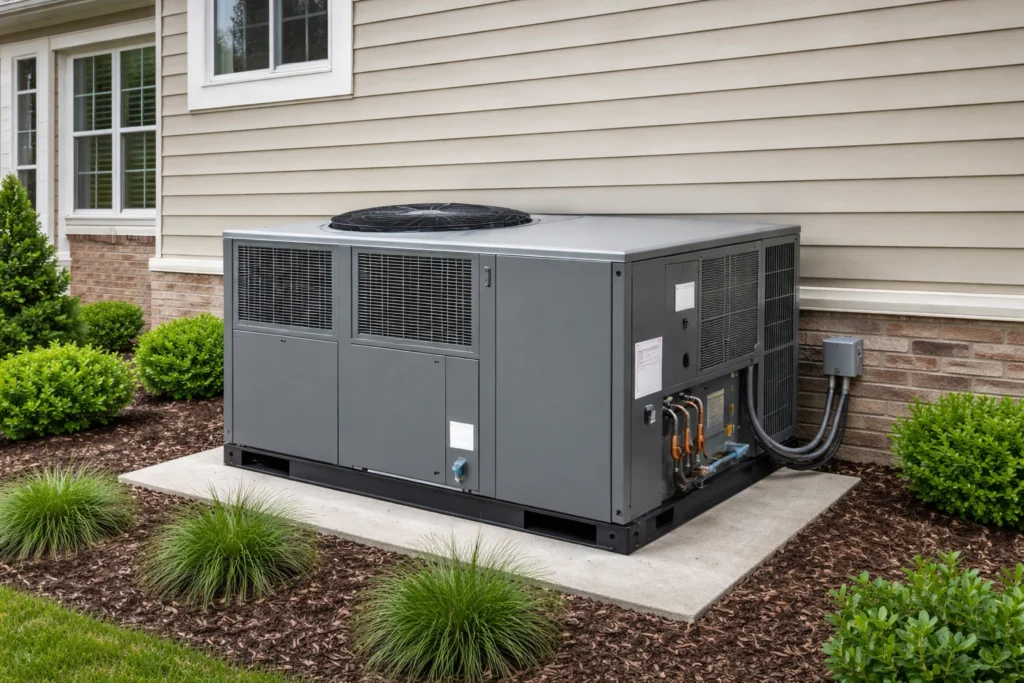
Many homeowners hear the term “packaged HVAC” and feel unsure about what it actually describes. A packaged system places all major heating and cooling components inside one outdoor cabinet. This makes the setup different from a split system that separates indoor and outdoor equipment. Many people appreciate how a single-unit approach keeps indoor areas free from large mechanical components. A clear understanding of how these systems operate gives readers a better idea of what to expect when comparing them to the more familiar split layout.
How Packaged HVAC Systems Work
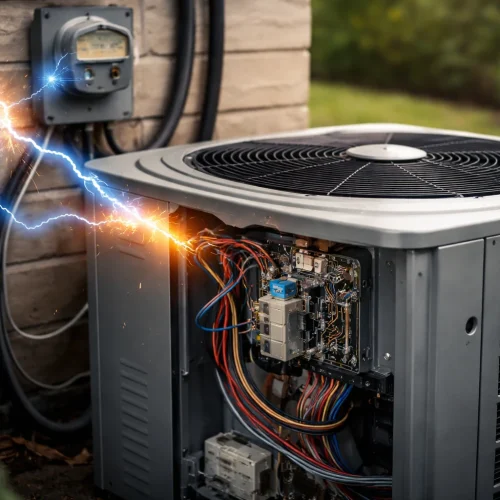
A packaged HVAC system manages heating and cooling through one outdoor cabinet that holds the compressor, coil, blower, and heating components. Air moves from the home through the ducts and reaches the cabinet, where the system begins either cooling or heating based on the current demand. During cooling mode, the compressor circulates refrigerant through the coil to absorb heat from the incoming air before sending the cooler air back inside. This entire process happens within the single cabinet, which keeps the mechanical setup compact and easy to understand. Heating performance shifts depending on the system’s design. Some setups rely on a heat pump that reverses the refrigerant flow to draw heat from the outdoor air, while others use electric heating elements or a gas-fired section to warm the air. The blower inside the cabinet keeps the airflow steady as it pushes conditioned air through the ducts. Many homes benefit from this consistent flow because comfort levels remain stable across different rooms.
Main Types of Packaged HVAC Units
Many homeowners want a clear picture of how packaged systems differ from one another, and each type serves a slightly different purpose. Four common configurations appear across residential and light commercial properties. Each one handles temperature control in a unique way that suits different climates and layouts. A closer look helps readers understand which setup may match their needs.
- Packaged Air Conditioner
This option cools indoor air through a refrigerant cycle and can include electric heat strips for light heating needs. The single outdoor cabinet holds the compressor, coil, and blower. Many mild-climate homes use this setup because it focuses on cooling performance. Maintenance often feels straightforward because the unit stays in one place. - Packaged Heat Pump
This type uses a heat pump mechanism that both cools and heats the home. It works well in areas with moderate winters because it moves heat rather than generating it. The system reverses the refrigerant flow during heating mode. Many households appreciate the steady performance during long warm seasons. - Packaged Gas or Electric Unit
This configuration combines an electric cooling section with a gas or electric heating section. It offers stronger heating performance for regions with colder winters. The cabinet contains the furnace components along with the cooling equipment. Many homes rely on this setup for reliable winter comfort. - Packaged Dual Fuel System
This design pairs a heat pump with a gas heating section. The heat pump handles mild temperatures while the gas section activates during colder conditions. The switch happens based on outdoor temperature readings. Many homeowners pick this option for balanced year-round performance.
Advantages of Choosing a Packaged HVAC System
Many homeowners appreciate how a packaged system frees up indoor space because all major components stay outside. This layout helps create a quieter indoor environment since the blower and compressor operate away from living areas. Many installations also feel simpler because the technician connects one outdoor cabinet to the home’s duct network. Fewer indoor parts mean fewer areas that need attention during routine checkups. Many people value how the single-unit design keeps mechanical components contained in one spot, which can make future access easier during maintenance or inspections.
Potential Drawbacks to Consider
Outdoor placement exposes the cabinet to weather changes, which can affect wear over time. Heavy rain, debris, and long sun exposure may influence how often the unit needs attention. Many homes with tight outdoor spaces might also face challenges when trying to position the cabinet without blocking walkways or yard areas. Repairs can feel more involved because all major parts sit in one cabinet, and this setup may require replacing larger sections of equipment during certain service situations. Some homeowners notice that efficiency can vary based on climate conditions, so choosing a suitable type becomes an important step for stable performance.
Ideal Situations for Installing a Packaged HVAC System
Many homes without basements or large utility rooms gain an advantage from a packaged system because it eliminates the need for indoor equipment. Smaller homes also benefit from the outdoor cabinet since it preserves storage space and keeps interior areas open. Properties in mild or warm climates often find this setup practical because certain system types handle long cooling seasons with steady airflow. Mobile homes and manufactured homes frequently rely on this approach because the structure limits indoor mechanical placement. Homes with limited attic access may also find the single-unit layout helpful, especially when indoor installation would require major structural changes.
Maintenance Needs and Lifespan Expectations
Regular attention helps a packaged system maintain steady performance through different weather conditions. Filter changes support clean airflow, and many homeowners follow a simple schedule to keep dust from building up inside the ducts. The outdoor cabinet benefits from routine cleaning because leaves, dirt, and grass can gather around the coil and reduce efficiency. Seasonal inspections help identify worn parts before they interrupt heating or cooling, and this keeps the system operating at a stable level. Lifespan often depends on climate, usage patterns, and maintenance habits, and many units reach long service years when cared for consistently.
Smarter HVAC Choices
Packaged systems offer a clear path for homeowners who want heating and cooling performance in one outdoor cabinet. Many people appreciate how these units simplify the layout of a home while still providing steady comfort throughout the year. Each type supports different climate needs, which gives readers a better chance of choosing a design that matches their property. Routine care plays a meaningful role in helping the system last, especially because outdoor placement exposes it to changing weather. A deeper understanding of how these systems work gives homeowners the confidence to explore options that fit their long-term comfort goals.
FAQs
Packaged HVAC is a heating and cooling system that houses all major components in a single outdoor cabinet.
A packaged HVAC system keeps everything in one outdoor unit, while a split system separates indoor and outdoor components.
Yes, certain types like packaged gas or dual fuel systems provide strong heating for colder regions.
Maintenance costs are generally comparable to split systems, but outdoor exposure may require more frequent inspections.
With proper maintenance, most packaged HVAC systems last 10–15 years or longer.
Yes, since all major components are outdoors, indoor noise levels are typically lower.
Efficiency depends on the model and climate, but many modern packaged HVAC units offer high-efficiency ratings.
Yes, packaged HVAC works well for smaller homes because it saves indoor space.
Yes, many light commercial and some residential packaged HVAC systems are installed on rooftops.