There’s something oddly comforting about knowing you’re prepared not in a doomsday-prepper way, but in a “wow, I actually handled that situation” way. A backpack emergency kit does exactly that. It’s not about expecting chaos; it’s about giving yourself the tools to stay calm and functional when life throws inconvenience or uncertainty in your direction. I’ve gone through enough travel mishaps, power outages, long drives, surprise weather shifts, and everyday mini-emergencies to finally appreciate the value of a compact kit that stays with me. Building one took trial and error, and I wish someone had handed me a simple, realistic guide when I started so consider this the guide I never had.
Choosing the Right Backpack
Before focusing on what goes inside, it’s worth choosing the right backpack to hold it all. I learned early that the bag itself matters just as much as its contents. You don’t need a tactical military pack (unless that’s your vibe), but you also don’t want a flimsy school bag that collapses after a month. A good emergency-kit backpack should be lightweight, comfortable to wear, and just large enough to hold essentials without becoming a black hole that encourages overpacking. Water resistance is a massive bonus because emergencies seem to love attacking during the rain. Look for compartments or at least a few internal pockets you’ll thank yourself later when you’re not digging blindly for your flashlight or first aid supplies.
Water and Hydration Essentials
Hydration comes first in almost every emergency scenario, even small-scale ones. After forgetting water one too many times during hikes and unexpected long drives, I started treating water as non-negotiable. A compact reusable bottle is the bare minimum, and I prefer stainless steel simply because it allows you to heat water if you absolutely need to. Purification tablets or drops are lifesavers they weigh almost nothing but make unsafe water drinkable. These tools help ensure you have access to potable water when you need it, a term that simply means water safe enough for human consumption.
I also keep one or two emergency water pouches tucked in a side pocket. They’re the kind of thing you forget about until the moment you’re extremely grateful you packed them. Electrolyte packets round out this section because dehydration isn’t always dramatic sometimes it’s just a heatwave, exhaustion, or getting sick suddenly. These tiny additions make a huge difference.
Food and Shelf-Stable Energy
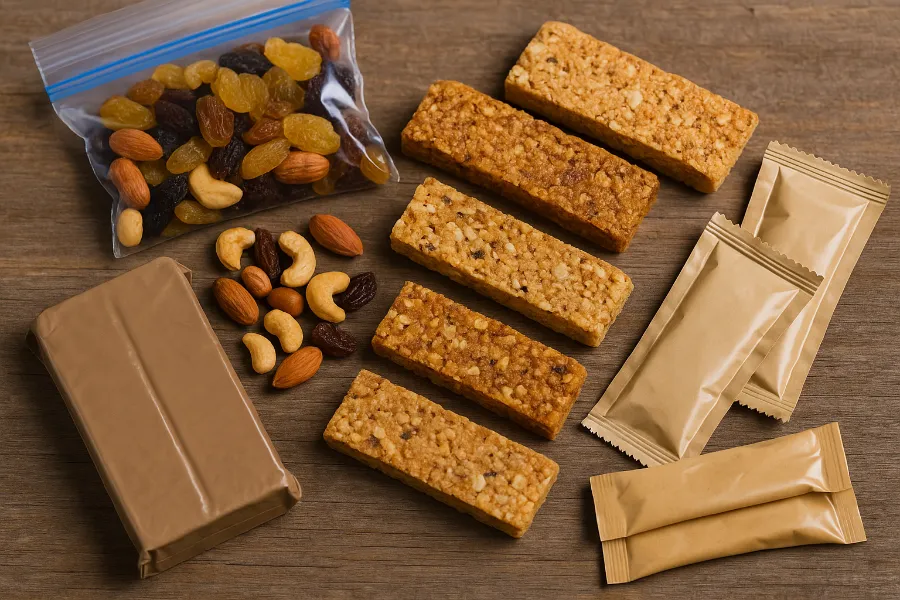
I learned quickly that “I’ll be fine without food” is an optimistic lie. Emergencies don’t care if you skipped lunch earlier. When your energy dips, your problem-solving skills dip with it. The key is packing food that doesn’t spoil, melt, or crumble into dust. Compact emergency ration bars work well because they pack a surprising number of calories into a small space. I also like small sealed packs of nuts, dried fruit, peanut butter packets, or simple protein bars without heavy coatings that melt easily. You’re not packing for a picnic you just need enough fuel to stay focused and functional for a day or two. One thing I do consistently is rotate my snack items every few months so I’m not relying on something that expired during the last season change.
Building a Reliable First Aid Section
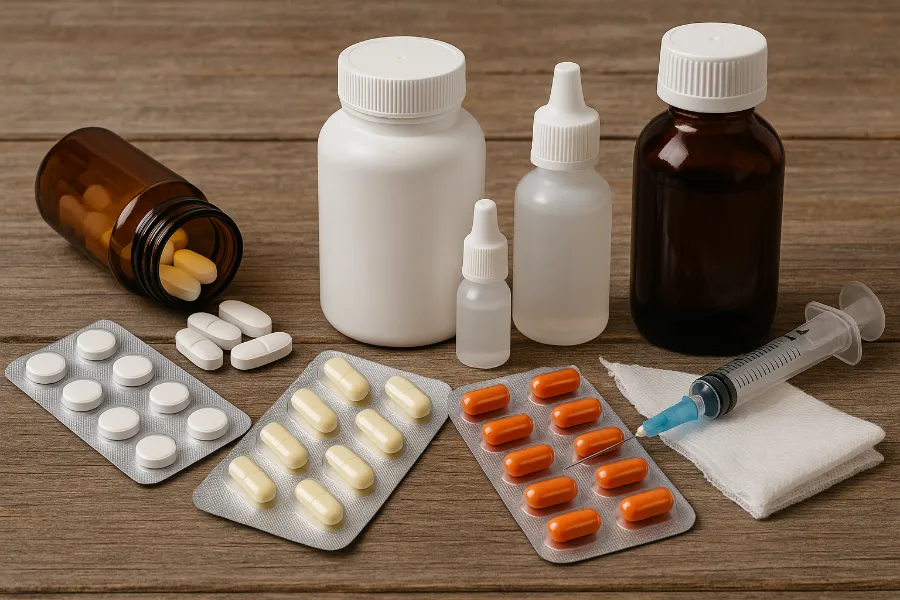
If I’m being honest, the first aid section is the one I use the most even in completely normal life. Paper cuts, blisters, headaches, scrapes, allergies… all those little annoyances hit when you least expect them. That’s why I’ve streamlined the first aid part of the kit into something small but powerful. A variety of bandages, a few gauze pads, antiseptic wipes, and a small tube of antibiotic ointment cover most minor injuries. I keep ibuprofen, acetaminophen, and antihistamines in a tiny pouch because nothing ruins your day faster than unexpected pain or allergy flair-ups. Tweezers, mini scissors, medical gloves, and a simple cold pack round things out. And of course your personal medications should always have a spare dose or two in this kit. Few things feel worse than being stuck somewhere without your essential meds.
Safety and Self-Defense Items
This section isn’t about being paranoid; it’s about peace of mind. Emergencies aren’t always natural they’re sometimes social. I keep a small whistle clipped inside the pack because it’s one of the most effective, low-effort ways to signal for help. A compact pepper spray fits easily in the front pocket (always check legal restrictions where you live). I’ve also added a tiny personal alarm, which is surprisingly loud and useful in dark parking lots or isolated areas. Reflective tape or a foldable safety vest sounds extra, but it’s one of those things that becomes priceless if you ever have to walk on the side of the road at night. These aren’t dramatic tools they’re simple, practical layers of safety.
Tools That Actually Serve a Purpose
When I first started building emergency kits, I fell into the trap of thinking I needed every shiny “survival” gadget online. Reality showed me that you only need a few reliable tools that can handle many tasks. A quality multi-tool is hands-down the MVP it covers cutting, repairing, prying, tightening, opening, and improvising. I also carry a headlamp instead of a traditional flashlight because having both hands free makes every situation less stressful. A few extra batteries go into a small pocket, and I also keep a lighter and waterproof matches tucked inside a waterproof sleeve. Paracord is another item that seems unnecessary until it’s not. You can repair straps, hang items, secure loose parts, or improvise almost anything with it. A tiny tube of super glue and a small sewing kit are my secret weapons for quick fixes; they weigh almost nothing but have saved me countless times. These lightweight, multi-purpose items are what bring your kit from basic to genuinely useful.
Hygiene and Personal Care Essentials
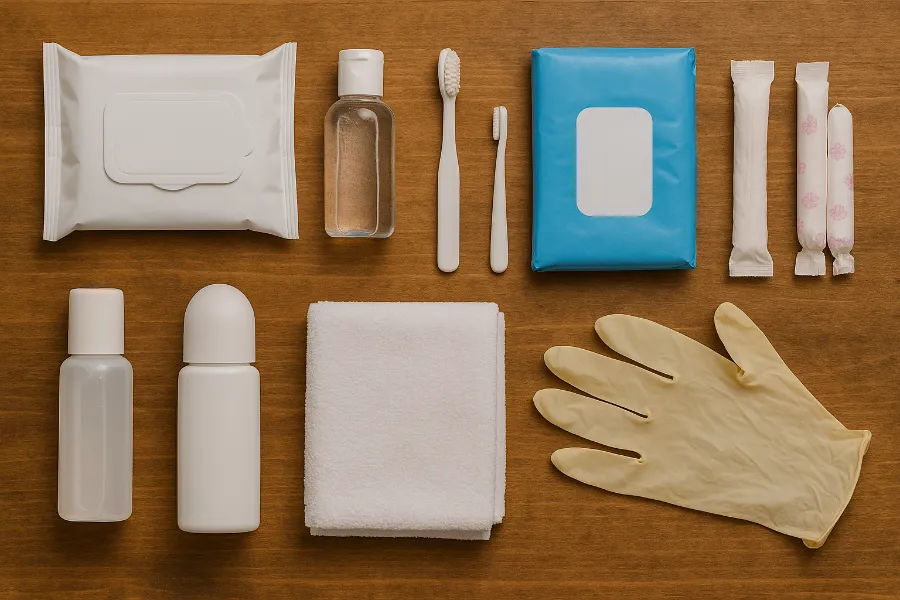
Cleanliness becomes more important than you’d think when you’re stuck somewhere unexpectedly. A simple pack of wet wipes has saved me after spills, dirt, sweat, and everything in between. I keep a travel-size hand sanitizer, a small toothbrush, toothpaste, and a packet of tissues because nothing throws your comfort off faster than needing them and not having them. Lip balm, deodorant, and a microfiber towel also live in my kit. And even if you don’t personally need feminine hygiene products, it’s worth carrying a few either for emergencies or to help someone else in a difficult moment. These personal care items quietly make everything more manageable.
Warmth and Weather Protection
I underestimated this category for years because I thought, “I live in a warm place I’ll be fine.” Then came sudden cold fronts, unexpected nights out, and shivering in heavily air-conditioned buildings. Now I always carry a compact emergency blanket because they trap heat shockingly well. A foldable rain poncho helps during sudden storms and doubles as wind protection. A simple beanie and a spare pair of socks make an enormous difference in comfort. If there’s extra room, an emergency bivy sack adds more warmth than you’d expect while still being lightweight. Even if you rarely face cold weather, these items can save you from discomfort or danger when temperatures drop unexpectedly.
Communication and Navigation Tools
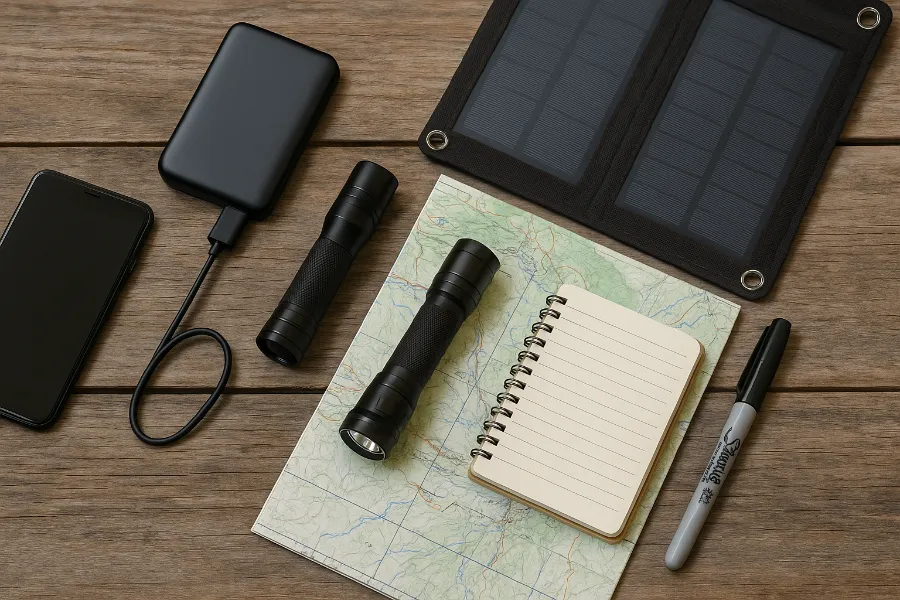
When things go wrong, communication becomes the glue that holds your sanity together. A portable power bank is probably the most frequently used item in my pack. I keep a cable inside, and sometimes I add a tiny solar panel charger for long trips. A paper map might feel old-fashioned, but if your phone dies or loses signal, you’ll be grateful you have it. A sharpie and small notebook help with leaving notes, marking information, or jotting down important details if your phone isn’t available. Emergency management agencies like FEMA offer excellent guidance on staying connected during disasters, and reading their advice has helped shape what I keep in this part of my kit. If you’re building your own, their resource is worth checking out.
Essential Documents and Cash
This is the section most people ignore until it’s too late. I keep a photocopy of my ID, emergency contact information, and any medical notes (such as allergies) inside a waterproof pouch. Cash is also important because ATMs and card readers don’t always cooperate when you need them most. I avoid large bills and stick to small denominations for practicality. I also store photos of important documents offline on my phone just in case I ever need to access something quickly. This part of the kit isn’t dramatic, but it can save you during travel mishaps, power outages, or emergencies when systems go down.
A Few Clothing Basics
I used to skip this section entirely, and I regret it every time I ended up wet, sweaty, or uncomfortable. Now I always include one pair of socks, one pair of underwear, a lightweight shirt, and a bandana or buff. These simple items refresh your whole body when you’re stuck somewhere longer than expected. They also help if you spill something, get caught in the rain, or end up unexpectedly staying somewhere overnight.
Comfort Items That Make Hard Moments Easier
Emergencies don’t affect only your physical needs they affect your nerves and your mental clarity. That’s why I always include at least one comfort item. Sometimes it’s a small deck of cards, sometimes hard candies, sometimes a tiny fidget tool. A notebook and pen offer a place to think, doodle, track details, or simply stay grounded. Even a travel-sized lotion or soft tissue pack can make stressful moments more tolerable. People often overlook these items, but they genuinely help you stay calm.
Customizing Your Kit for Your Life
Your emergency kit should work for your lifestyle, routines, climate, and needs. Someone who hikes every weekend will pack differently from someone who commutes through busy urban areas. People with kids, medical conditions, long drives, or unpredictable weather patterns should customize accordingly. I constantly update my kit depending on the season or my schedule. I rotate snacks, switch out clothing, refresh batteries, and update medications. The kit grows and shifts with me, and that’s exactly how it should be.
Why This Matters More Than You Think
A backpack emergency kit isn’t about living in fear. It’s the opposite. It’s about reducing anxiety by giving yourself options. It’s about feeling capable when things go off-script. It’s about having tools that turn a potentially overwhelming moment into something manageable. The little things you toss into that backpack bandages, snacks, water purification tablets, a flashlight, clean socks might feel insignificant while you’re packing them. But the day you desperately need one of them, you’ll feel like past-you left a gift for present-you.
Preparedness isn’t dramatic. It’s empowering. And once you build your backpack emergency kit with intention, you’ll realize it’s not about expecting disaster it’s about giving yourself peace of mind, wherever you go.
FAQs
A backpack emergency kit is a portable bag filled with essential supplies that help you stay safe, hydrated, and prepared in unexpected situations.
A backpack keeps your hands free, distributes weight evenly, and allows you to carry essentials in a compact, organized way.
Water or a way to purify water is the most important, since hydration becomes critical in nearly all emergencies.
Check your kit every 3–6 months to replace expired food, medications, batteries, and seasonal items.
Yes, calorie-dense, shelf-stable foods provide quick energy and take up less space in your backpack.
Yes. A first aid kit handles cuts, blisters, scrapes, and minor injuries things daily medications don’t cover.
Include a small bottle plus purification tablets or filters, since carrying large amounts of water adds weight.
A headlamp is typically more useful because it keeps your hands free while providing consistent light.
Yes. Small bills are especially helpful when power outages prevent card payments.
Absolutely. They trap body heat and provide quick warmth, making them essential in cold or rainy conditions.