Many homes have unused corners or underdeveloped spaces that hold real potential. These areas often fade into the background as daily routines take over. Yet with a little attention, they can add comfort, function, and even value to your home. You don’t need a major remodel, and you don’t need to change the layout of your home. You only need to look at the spaces you already have and think about how they can serve your life in a better way. This article will show you how to identify these overlooked spots and turn them into meaningful additions to your home.
Rethink That Entryway
The entryway sets the tone for the entire home. A crowded entry makes the home feel messy and rushed, while a clear and thoughtful one adds calm and order. Pay attention to how you use the space each day. Notice what slows you down or what creates chaos. Good lighting helps the area feel open, and a small bench or shelf can guide items to the right spot. Wall hooks keep essentials within reach without taking up floor space. With simple changes, the entryway becomes a smooth transition point that welcomes you home and helps you stay organized.
Give Your Garage a New Purpose
Many people think of the garage as a place to store boxes or park a car, but it can serve much more. This space works well as a workshop, fitness zone, creative studio, or even a small entertainment area. It can also support two or more uses if you plan the layout in a practical way. One of the most important parts of the garage is the door. A sturdy and secure door helps regulate temperature, reduces noise, and keeps the space safe. A professional garage door installation company ensures the door fits well and works smoothly, which gives the entire space more stability. Also, check the flooring, insulation, and existing structure. These elements affect comfort and the types of activities the garage can support. Once the basics are set, you can shape the garage into a space that fits your needs.
Upgrade Unused Wall Space
Walls carry a lot of potential when you look at them as more than surfaces for paint or decor. Many homes have long stretches of empty wall space that can support shelves, cabinets, or built-in features. These additions add storage without crowding the room. Before making changes, walk through your home and look for walls that feel empty or wasted. Think about what you need more of: storage, display space, or a feature that adds style. Even a narrow floating shelf can hold items you use often. Larger upgrades, like built-in shelving, help organize books, kitchen tools, or personal items. With smart planning, unused walls become practical and attractive parts of the home.
Improve the Corners No One Notices
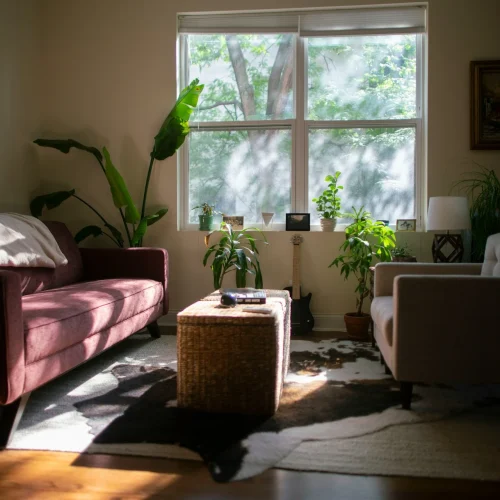
Corners often go unnoticed because they feel too small or awkward to use. With the right approach, these areas become valuable additions to any room. A corner can support a small reading seat, a plant stand, a compact desk, or a display shelf. The key is to match the idea to the size and shape of the corner. Some corners work well with vertical shelving that draws the eye upward. Others fit a small piece of furniture that adds comfort or function. By paying attention to these forgotten spots, you bring more purpose and character to the room without major changes.
Make the Most of Your Hallways
Hallways connect every part of the home, yet they often stay plain and unused. With a few careful upgrades, they can become helpful and attractive zones. Good lighting makes the hallway feel open, and slim shelving or narrow cabinets add storage without blocking the walkway. Wall art or photos bring life to the space and guide the eye forward. If the hallway is long, adding a runner can create a sense of warmth and direction. By treating the hallway as a functional path rather than an empty stretch, you improve flow and make each area of the home feel more connected.
Refresh the Laundry Area
The laundry area often feels tight, cluttered, or inefficient because it handles many tasks in a small amount of space. A few focused changes make it easier to manage daily chores. Start by clearing items you do not use so you can see what the space can handle. Add shelves or cabinets to keep detergents, cleaning tools, and linens in order. Good lighting helps you spot stains and sort clothes with less effort. If you can adjust the placement of baskets or hampers, do it in a way that supports your routine rather than slows it down. When the laundry area works well, the rest of the home feels more organized, too.
Reclaim the Space Under the Stairs
The area under the stairs often becomes a catch-all zone that holds random items. With a bit of planning, it can become one of the most useful parts of the home. You can turn it into a compact office, a reading corner, or a tidy storage area. First, measure the space so you know what fits without feeling crowded. If the height is limited, consider lower shelving or drawers. If the space feels deeper than it looks, use sliding storage so you can reach everything. Even small updates make this hidden area feel intentional.
Look Again at Your Attic
Many people see the attic as a place to store seasonal items, but it can take on a greater role when you prepare it well. Before making changes, check the insulation, ventilation, and flooring. These elements decide how comfortable and safe the attic will feel. If the ceiling height allows, the attic can become a quiet workspace, a kids’ zone, or an extra room for hobbies. Better lighting also makes the space easier to navigate. Even if the attic remains a storage area, adding labeled bins, shelves, and better access can improve how you use it. When you treat the attic as part of your living space, it adds value and flexibility.
Conclusion
When you look at the hidden corners and forgotten spaces in your home, you uncover possibilities that feel personal and practical. These changes invite you to think about how you live and what would make each day smoother. As you shape these spaces, you also shape routines, moods, and moments that fill your home with comfort.
FAQs
Many spaces get overlooked because they blend into daily routines, making their potential easy to miss.
Add hooks, lighting, and a small bench or shelf to guide items into organized spots.
Yes. With proper flooring, insulation, and a quality garage door, it can be a gym, workshop, studio, or hobby space.
Install floating shelves, cabinets, or built-ins to add function without taking up floor area.
Corners can hold reading nooks, plant stands, mini desks, or vertical shelving depending on the space.
Good lighting, slim storage, wall art, and a runner can make hallways both stylish and practical.
Use shelves or cabinets for organization, improve lighting, and place hampers where they support your workflow.
This spot can become a compact office, reading nook, or smart storage with drawers or sliding shelves.
Yes. With proper insulation and lighting, it can serve as a workspace, hobby zone, kids’ room, or organized storage area.
Thoughtfully-used spaces increase functionality, comfort, and perceived value, which can benefit resale.