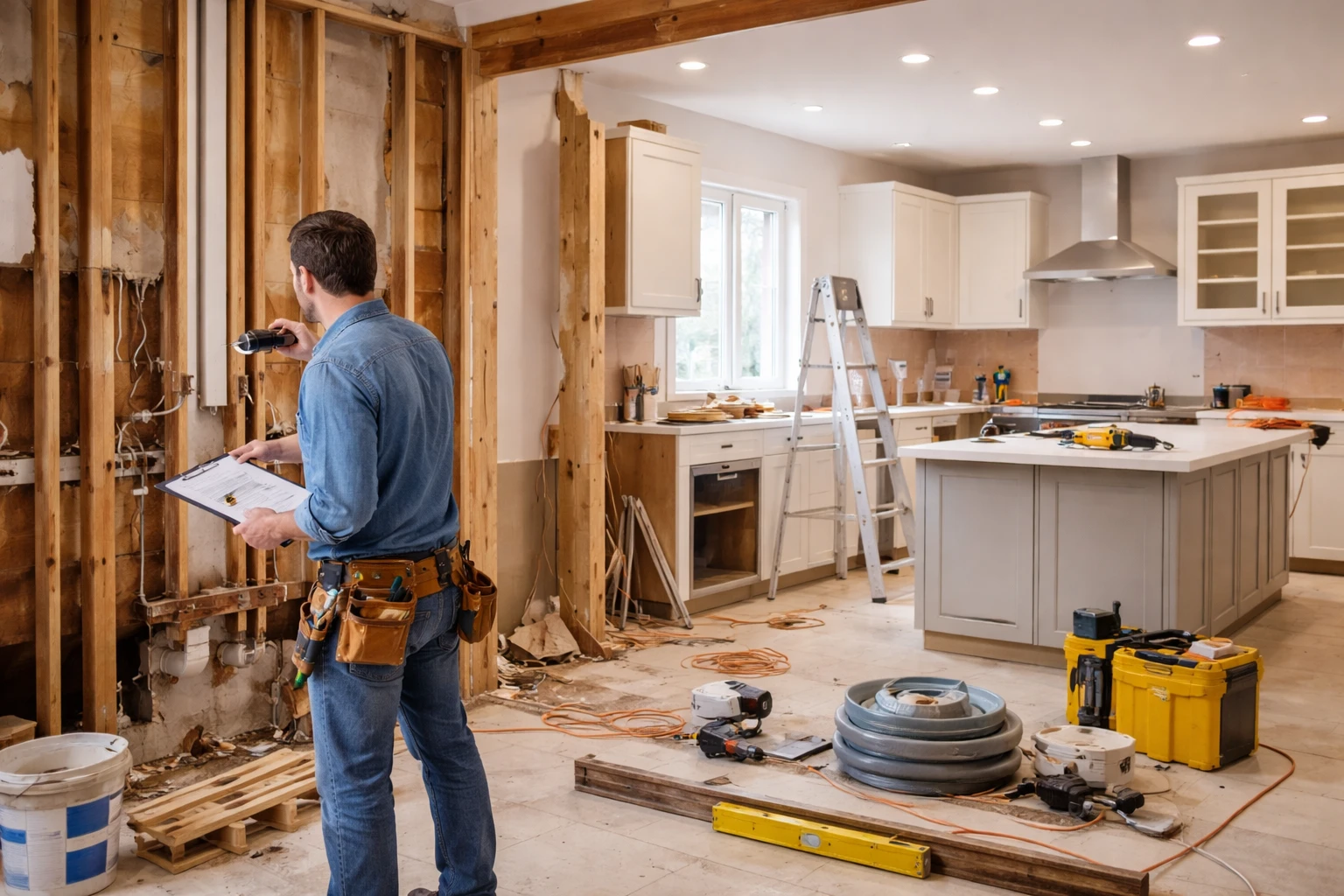
Remodeling your home is an exciting opportunity to refresh your space and increase its value. Whether you’re redesigning a kitchen, updating a bathroom, or opening up your floor plan, it’s easy to focus on finishes and design details. However, what truly determines the success of a remodel is the quality of construction behind the walls and beneath the surfaces. Small oversights during installation can turn into expensive problems months or even years later.
Understanding the most common construction mistakes can help you protect your investment and feel more confident throughout the remodeling process.
Poor Surface Preparation Leads to Early Failures
Many visible remodeling issues actually begin long before the final finishes are installed. Surface preparation is one of the most overlooked steps in construction, yet it directly affects durability. Uneven subfloors can cause tile and hardwood flooring to crack or shift. Walls that aren’t properly primed may lead to peeling or bubbling paint. Cabinets installed without securing them firmly into wall studs may loosen over time.
Although homeowners don’t always see this stage of work, it’s worth asking how surfaces are prepared before installation begins. Proper leveling, cleaning, drying, and priming create the foundation for a long-lasting finish. When preparation is rushed, problems often surface sooner than expected.
Structural Framing Mistakes in Open-Concept Remodels
Open floor plans are popular in modern remodels, but removing walls or widening openings requires careful structural planning. If a load-bearing wall is altered without proper reinforcement, it can lead to sagging ceilings, cracked drywall, or doors that no longer close properly.
Structural integrity should always follow recognized building and load standards. In professional construction settings, principles similar to those outlined in resources covering structural framing best practices are used to verify that materials and supports can safely handle weight and stress. While homeowners may not conduct testing themselves, understanding that structural validation matters allows you to ask informed questions before walls are closed and finishes are applied.
Inadequate Waterproofing in Bathrooms and Basements
Water damage remains one of the most common and costly remodeling issues. Bathrooms, kitchens, laundry rooms, and basements all require careful moisture management. Unfortunately, waterproofing steps are sometimes minimized because they are hidden once tile or flooring is installed.
Improperly installed shower membranes, poorly sealed plumbing penetrations, and incorrectly sloped shower pans can allow water to seep behind walls. The damage may develop gradually, leading to mold, wood rot, and weakened materials. Asking about waterproofing systems and moisture testing before surfaces are sealed can help prevent major issues later. Proper moisture control is one of the most important factors in ensuring a remodel lasts.
Weak Concrete Installation and Curing Practices
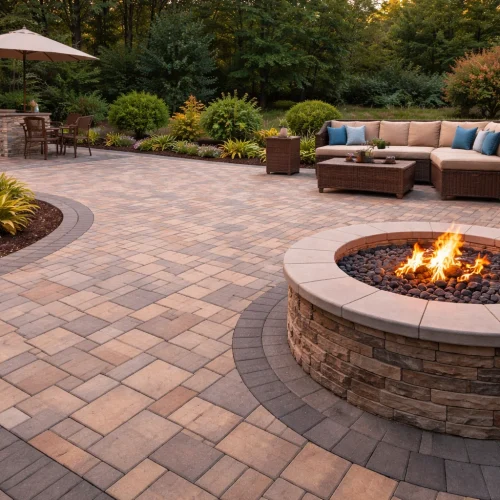
If your remodeling project includes new footings, slab extensions, patio installations, or foundation repairs, concrete quality becomes essential. Concrete that is improperly mixed, rushed during curing, or lacking reinforcement can crack prematurely or fail under load.
In larger construction environments, strength verification often relies on concrete compression testing to confirm durability and performance. While residential remodels may not always require formal testing procedures, proper curing time and reinforcement placement should never be overlooked. Asking how long concrete will cure before heavy use and what reinforcement is included can help ensure the structural stability of your improvements.
Electrical and Plumbing Shortcuts Behind the Walls
Electrical wiring and plumbing systems are hidden from view, which makes it easier for shortcuts to go unnoticed. Loose wiring connections, overloaded circuits, improperly sloped drainpipes, or unsupported plumbing lines may not cause immediate problems but can create safety hazards and costly repairs later.
Licensed professionals, proper permits, and required inspections are critical safeguards. Before drywall is installed, confirm that rough-in inspections have been completed. Ensuring systems are installed correctly behind the scenes protects both your home and your family.
Poor Ventilation Planning in Modern Homes
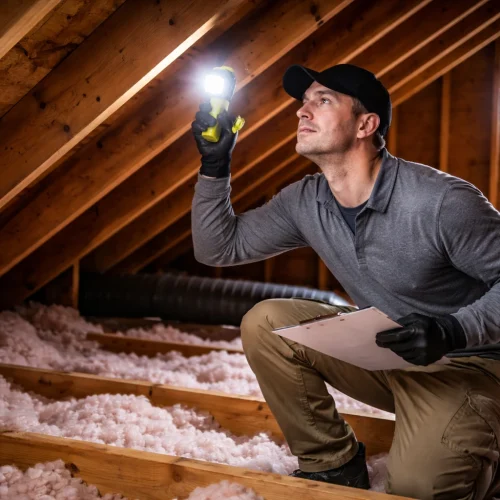
As homes become more energy-efficient and tightly sealed, proper ventilation becomes even more important. Without adequate airflow, moisture and humidity can accumulate inside walls and ceilings. Bathroom exhaust fans should vent outdoors rather than into attic spaces. Kitchen range hoods should effectively remove steam and grease. Basements often benefit from controlled humidity systems.
Ventilation may not be visible, but it plays a major role in preventing mold growth and maintaining air quality. Addressing airflow during remodeling helps protect finishes and structural components over time.
Rushing the Final Walkthrough
The final walkthrough is your last opportunity to review workmanship before closing out the project. It’s important not to rush this stage. Carefully inspect cabinet alignment, paint finishes, grout lines, caulking details, door function, and fixture operation. Open drawers, test plumbing fixtures, and check light switches.
Small imperfections are easier to correct before final payment is made. Taking your time ensures that the finished result reflects the quality you expected from the beginning.
Why Construction Quality Matters More Than Appearance
While design elements often receive the most attention during remodeling, long-term performance depends on structural integrity, moisture control, and proper installation techniques. A beautiful remodel can quickly lose its appeal if underlying construction issues arise.
By staying engaged throughout the project and asking thoughtful questions, homeowners can reduce the risk of common mistakes. Remodeling is a significant investment, and prioritizing quality ensures that improvements remain safe, durable, and valuable for years to come.
Frequently Asked Questions
Watch for rushed timelines, unclear explanations about preparation steps, or resistance to inspections. Asking detailed questions early helps prevent misunderstandings later.
For projects involving structural changes, foundation work, or major system upgrades, an independent inspection can provide additional peace of mind.
Improper waterproofing is one of the most costly mistakes because water damage often develops unnoticed until it becomes severe.
Concrete typically reaches most of its strength within 28 days, although light use may be possible earlier depending on the application.
Minor hairline cracks can occur due to settling, but recurring or widening cracks should be evaluated to rule out structural concerns.