Memory foam mattress topper have become one of the easiest and most affordable ways to upgrade the feel of a bed without replacing the entire mattress. Whether a mattress feels too firm, uneven, or simply worn down from years of use, a high-quality memory foam topper can add softness, contouring, and support that noticeably improves comfort. For renters, homeowners, students, and anyone in between, toppers offer a low-commitment way to refresh a sleep setup—and the best part is that they work on almost any mattress type.
Memory foam is technically known as viscoelastic polyurethane foam, and according to its history on Wikipedia , the material was originally developed in the 1960s for NASA to improve seat cushioning and crash protection. That same slow-responding, pressure-relieving technology is what makes mattress toppers so effective in today’s beds. This guide breaks down what memory foam toppers are, how they work, who benefits from them, how to choose the right one, and practical tips for maximizing comfort and durability. By the end, you’ll know whether a topper is worth it for your specific sleep needs and what to expect once you add one to your bed.
Understanding What Memory Foam Toppers Do
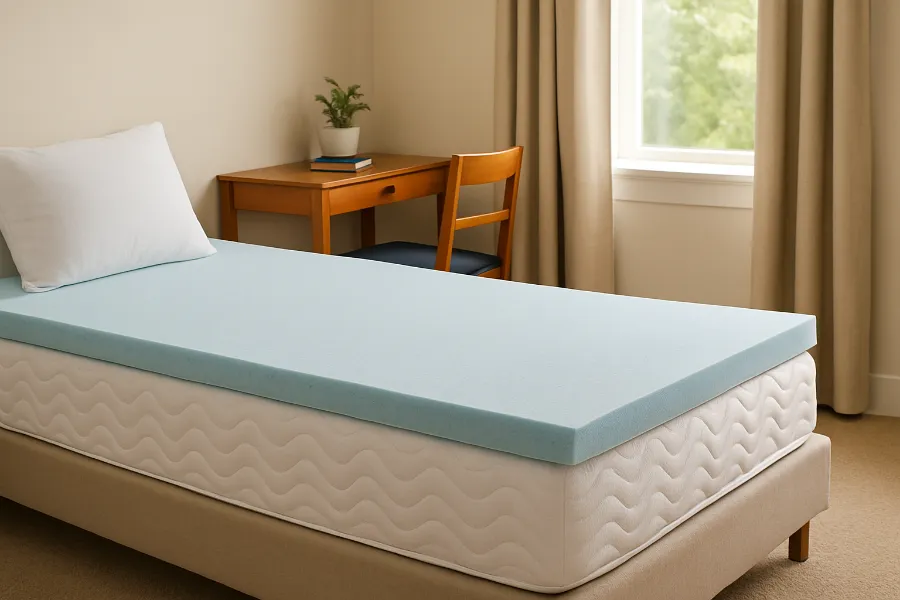
A memory foam topper is a removable bedding layer placed directly on top of a mattress to adjust its feel. Most toppers range from 1 to 4 inches thick and are designed to enhance pressure relief, cushioning, and overall comfort. Unlike mattress pads which are thinner and more focused on light cushioning or protection toppers significantly change the surface feel of a bed.
Memory foam responds to heat and pressure, molding itself around the body’s curves. This contouring helps reduce tension in the shoulders, back, and hips while evenly distributing weight across the surface. That’s why many sleepers who experience morning stiffness or pressure points often notice improvement after adding a topper. The result is a sleep surface that feels more forgiving, more cushioning, and more customized.
Why People Add a Memory Foam Topper Instead of Replacing a Mattress
A topper is an appealing solution for many reasons, especially if you’re not ready to commit to a full mattress replacement. Common motivations include:
Softening a too-firm mattress:
Many new mattresses feel firmer than expected once slept on. A topper adds plushness without reducing underlying support.
Extending mattress life:
If a mattress is structurally sound but lacks comfort, a topper gives it a second life.
Improving pressure relief:
Side sleepers often feel shoulder and hip pressure. Memory foam cushions these high-pressure areas effectively.
Helping couples compromise:
When one partner prefers soft and the other firm, a topper can help balance comfort levels.
Temporary housing:
Renters, students, and short-term residents can improve comfort without investing in a new mattress.
Managing back or joint discomfort:
While not a medical cure, memory foam can help maintain spinal alignment and reduce pressure-related aches. Considering toppers cost only a fraction of a mattress, they’re a practical solution for boosting comfort.
Types of Memory Foam Toppers
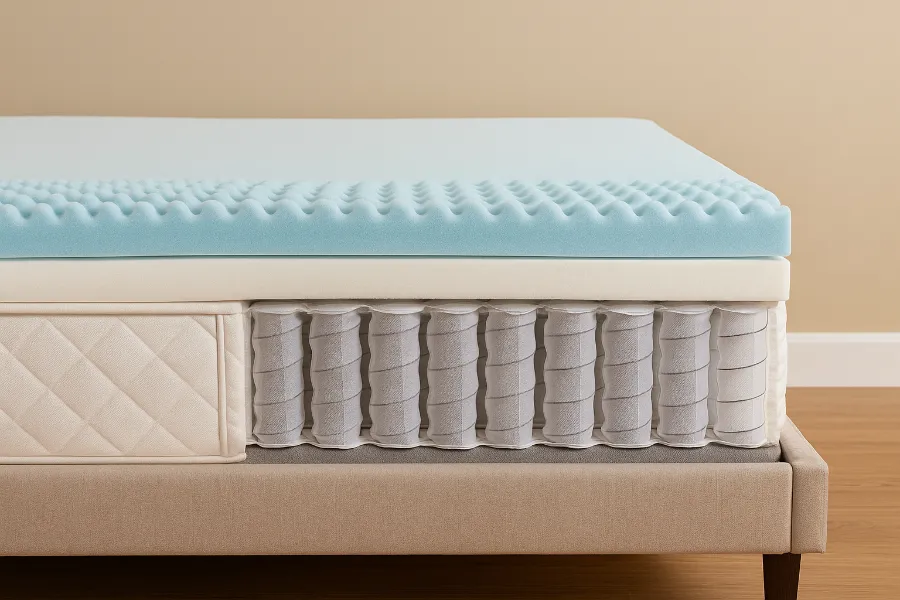
Memory foam toppers vary widely in feel, responsiveness, and cooling performance. These are the most common varieties:
Traditional Memory Foam
Classic, slow-responding foam that deeply contours and cradles the body. Ideal for pressure relief but can trap heat.
Gel-Infused Memory Foam
Features gel beads or swirls to help cool the surface. Great for hot sleepers.
Open-Cell Memory Foam
Contains air pockets for better airflow. Feels slightly bouncier than traditional foam.
Copper- or Graphite-Infused Foam
Designed to pull heat away from the body and resist microbes.
High-Density Memory Foam
More durable and supportive. Holds its shape longer and reduces sagging. Understanding these types helps you match a topper to your sleeping style.
How Thickness Affects Comfort
Thickness has a major impact on how much the topper changes your mattress.
1 inch:
Provides light cushioning good for minor comfort adjustments.
2 inches:
A balanced upgrade. Enough to noticeably soften a mattress without overwhelming support.
3 inches:
Significant contouring and deeper pressure relief. Excellent for side sleepers.
4 inches:
Maximum softness and transformation. Best for very firm mattresses or sleepers who want a plush, enveloping feel. Choose thickness based on how much correction your mattress needs.
Sleep Position and Comfort Benefits
Sleep position plays a big role in comfort and support needs.
Side Sleepers
Benefit most from memory foam due to pressure on shoulders and hips. A 2–3-inch topper works best.
Back Sleepers
Need gentle contouring without deep sinkage. A 2-inch medium-density topper usually works well.
Stomach Sleepers
Must avoid over-soft surfaces to keep hips from sinking. A thinner, firmer topper is recommended.
Combination Sleepers
A responsive topper like open-cell memory foam makes movement easier. Memory foam is known for minimizing pressure points, making it especially helpful for side and back sleepers.
Important Features to Look For
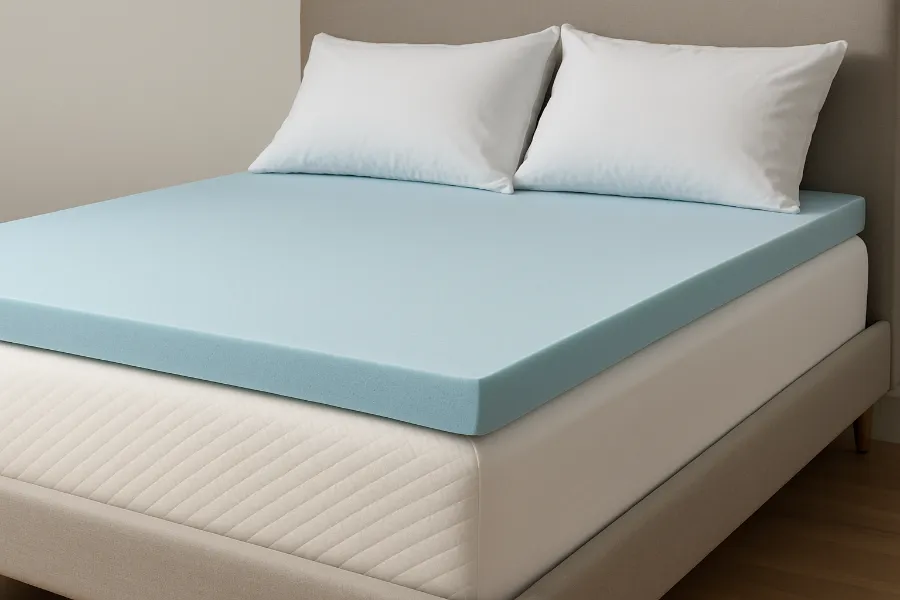
When choosing a topper, consider these factors:
Density:
Higher density means more durability and better contouring.
Firmness Level:
Soft for plush comfort, medium for balanced support, and medium-firm for stomach sleepers.
Cooling Technology:
Gel infusion, ventilation, or breathable covers help hot sleepers stay comfortable.
Certifications:
CertiPUR-US certification ensures the foam meets safety and emission standards.
Removable Covers:
Helps protect the foam and maintain hygiene.
Motion Isolation:
Memory foam naturally reduces transfer, ideal for couples. These features impact how the topper feels and how long it lasts.
How Memory Foam Toppers Work With Different Mattress Types
Memory foam toppers are compatible with most mattress styles.
Innerspring Mattresses:
Add cushioning that springs lack and reduce pressure points.
Hybrid Mattresses:
Ideal for softening firmer hybrids without compromising coil support.
Foam Mattresses:
Further enhance contouring or adjust firmness.
Latex Mattresses:
Soften the naturally firmer latex feel.
Mattresses With Minor Indentations:
A topper can smooth out small dips but cannot fix deep sagging replacement is better in that case. A topper works best when the underlying mattress is still structurally supportive.
How to Make Your Memory Foam Topper Last Longer
A well-made topper can last 3–5 years with proper care:
- Rotate every 2–3 months
- Use a washable cover
- Let the topper fully expand before use
- Keep temperature moderate for optimal foam response
- Roll, don’t fold, for storage
- Ensure the mattress foundation supports the weight evenly
These steps help maintain comfort and extend lifespan.
What to Expect in the First Week
Most people experience several changes within the first week:
- Immediate increase in softness
- Better pressure relief
- Less tossing and turning
- Improved morning comfort
- Slight break-in period as foam adjusts
Full comfort typically stabilizes after several nights.
Troubleshooting Common Issues
Heat Retention:
Choose gel-infused or open-cell foam; add breathable bedding.
Chemical Odor:
Foam off-gassing is normal. Air it out for 24–72 hours.
Sliding:
A fitted cover or grippy mattress pad helps.
Too Much Sinkage:
Switch to a thinner or firmer topper.
Staining or Wear:
Use protective covers for longevity.
Minor adjustments can resolve most issues.
When a Topper Isn’t Enough
A topper may not fix problems caused by structural mattress failure. Consider replacing the mattress if it has:
- Deep sagging
- Broken coils
- Large indentations
- Collapsed edges
- Visible unevenness
A topper enhances comfort, but cannot compensate for lost support.
Final Thoughts: Are Memory Foam Toppers Worth It?
Memory foam toppers remain one of the most effective upgrades for improving mattress comfort. They soften overly firm beds, enhance pressure relief, and offer a budget-friendly way to refresh an aging mattress. For renters, students, and anyone wanting better sleep without buying a new mattress, a topper delivers noticeable improvement. And if you’re unsure how memory foam behaves, the U.S. Department of Commerce’s foam-related manufacturing guidelines provide broader context on foam materials used in consumer products. In short, if your mattress is still supportive but lacks comfort, a memory foam topper can completely transform your sleep experience at a fraction of the cost of a new bed.
FAQs
Yes. They add cushioning, contouring, and pressure relief that can significantly enhance the feel of a too-firm or aging mattress.
Most people choose a 2–3 inch topper for noticeable comfort and pressure relief without feeling too soft.
It can help by improving alignment and reducing pressure points, but it won’t fix issues caused by a severely sagging mattress.
Traditional memory foam can trap heat, but gel-infused or open-cell toppers sleep noticeably cooler.
With good care, most last 3–5 years depending on density and usage.
It can smooth minor indentations, but deep sagging requires replacing the mattress for proper support.
Yes. Off-gassing is normal. The smell usually fades within 24–72 hours.
It might, but using a fitted cover, mattress protector, or grippy pad helps keep it in place.
Absolutely. They offer excellent shoulder and hip pressure relief, especially in 2–3 inch thickness.
Yes. They work well with innerspring, hybrid, latex, and foam mattresses as long as the mattress still has proper support.