You step outside your home, sit for a minute, then feel the urge to go back in. The heat lingers, light hits wrong, dust drifts through. It is not poor design, just something unfinished, a space that looks right but rarely works.
In places like Houston, this problem shows up faster and a bit harsher. The heat lingers longer than expected, humidity sticks to surfaces, and sudden rain can cut an evening short without much warning. People still invest in patios, still set up furniture and lighting, but the space ends up being seasonal in a way no one really planned for. It becomes something you look at more than something you use, which is a quiet kind of waste.
Understanding Why Patios Sit Empty
Patios rarely stop working all at once. It happens slowly, through small issues that stack up. Harsh sun in the afternoon, still air at night, or floors that stay damp longer than expected. Each one feels minor, but together they make the space uncomfortable enough to avoid.
Most people start with furniture, maybe add lighting, and call it done. What gets overlooked is the space itself. How air moves, how sunlight shifts, how weather hits different areas. These details are less obvious early on, so they are often ignored, and that is usually where the problem starts.
Controlling Light and Exposure
When people talk about making a patio usable year-round, they often mean adding comfort, but comfort outdoors is mostly about control. Control over sunlight, over heat, and even over how open or closed the space feels at different times of the day. Without that control, the patio stays reactive to the weather instead of adapting to it. This is where homeowners start exploring the best outdoor shades in Houston to make their patios usable year-round.
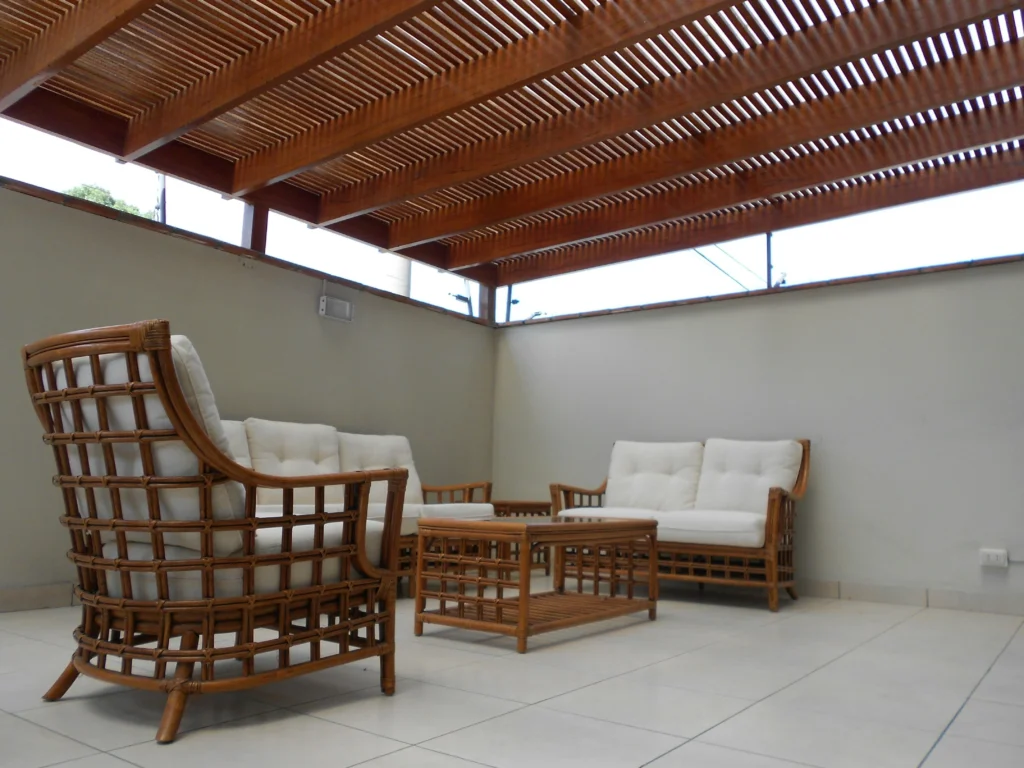
A well-designed shade system changes how the space behaves, not just how it looks. It reduces glare during peak hours, keeps surfaces cooler, and allows the area to be used for longer stretches without constant adjustment. This is why homeowners often start looking into options like fixed enclosures or structured shade systems once they realize that umbrellas and temporary covers only solve part of the problem.
Airflow Matters More Than People Expect
Airflow gets overlooked more than it should. People assume shade will handle most of the discomfort, but without moving air, a covered patio can feel even heavier than an open one. Heat settles in, and even a light breeze struggles to pass through.
Layout starts to matter more than expected. Open sides, panel choices, and even how the structure faces can change how air moves through the space. It does not need to be overly technical, but it should be thought about early, before things get locked in. Ceiling fans help, but only to a point. They work best when air is already moving. Otherwise, they just push warm air around, and the relief does not last very long.
Dealing With Moisture and Sudden Weather Changes
Moisture is one of those quiet problems that gets ignored until it starts affecting use. It is not just rain, but damp cushions, slick floors, and surfaces that never fully dry. Small issues, but enough to make people stay inside more often.
Covers help, but only if water is managed properly. Runoff needs to move away, not sit in corners or along edges. Materials matter too, since some hold moisture longer and wear down over time. The weather can shift quickly, and that exposes weak spots. A space that feels fine on a calm day can struggle with wind or angled rain. Partial enclosures or side panels help steady things without fully closing the space in.
Making the Space Feel Like Part of the Home
A patio becomes usable year-round when it stops feeling separate from the rest of the house. This is not just about design, but about function. The closer it feels to an indoor space, the more likely it is to be used regularly.
Lighting plays a role here, especially in the evening. Harsh lights can make the space feel temporary, while softer, more consistent lighting makes it easier to stay outside longer. The same goes for flooring. A surface that feels stable and clean underfoot changes how people move through the space.
There is also a shift in how people use outdoor areas now. With more time spent at home, patios are no longer just for occasional gatherings. They are used for work, for quiet time, even for meals that used to happen indoors. That shift changes expectations. The space needs to support daily use, not just weekend use.
Small Adjustments That Add Up Over Time
Not every improvement needs to be large or expensive. In fact, most patios improve through a series of smaller changes. Adding a shade element, adjusting furniture placement, improving drainage, or even changing how the space is accessed from inside the house. These things build on each other.
What matters is consistency. A single upgrade might not change how often the patio is used, but a combination of thoughtful changes will. Over time, the space starts to feel more reliable. It becomes somewhere you go without thinking too much about it. There is also a tendency to wait for a perfect solution before making any changes. That often delays progress. It is usually better to address the most obvious issue first, then move to the next one. The process is not always linear, and that is fine.
When a Patio Starts to Work the Way It Should
At some point, the space shifts. You notice it in small ways. You step outside without checking the weather first. You stay a little longer than planned. The furniture feels like it belongs there, not like it was placed temporarily.
This is not about creating a perfect outdoor area. It is about removing the small frictions that make people leave too soon. Once those are addressed, the patio starts to function as part of everyday life, not just an extra feature attached to the house.
And that is usually the goal, even if it is not stated clearly at the start. A space that works quietly, in the background, across different seasons, without needing constant adjustment. It does not draw attention to itself. It just gets used.
FAQs
Extreme heat, poor airflow, excess moisture, and lack of shade can make patios uncomfortable and limit their usability.
Focus on controlling sunlight, improving airflow, managing moisture, and using durable materials.
Shade reduces heat buildup, minimizes glare, and allows the space to be used comfortably during peak sunlight hours.
Umbrellas help temporarily, but structured shade systems offer better long-term comfort and coverage.
Good airflow prevents heat from settling and keeps the space feeling fresh instead of heavy and stagnant.
Poor drainage, moisture-retaining materials, and lack of proper coverage can keep surfaces wet longer.
Ceiling fans help circulate air, but they work best when natural airflow is already present.
Installing covers, side panels, or partial enclosures can shield the space from rain and wind.
Lack of cohesive lighting, flooring, and layout can make the space feel separate instead of integrated.
Start by addressing the most obvious issue, such as too much sun or poor airflow, then build improvements over time.