You update your front door. You refresh the landscaping. You choose exterior paint with care. Yet the largest surface at the front of your home often gets zero design attention. The driveway quietly takes up visual space, influences curb appeal, and affects how polished your property looks from the street.
Rethinking the Driveway as Part of Your Exterior Design
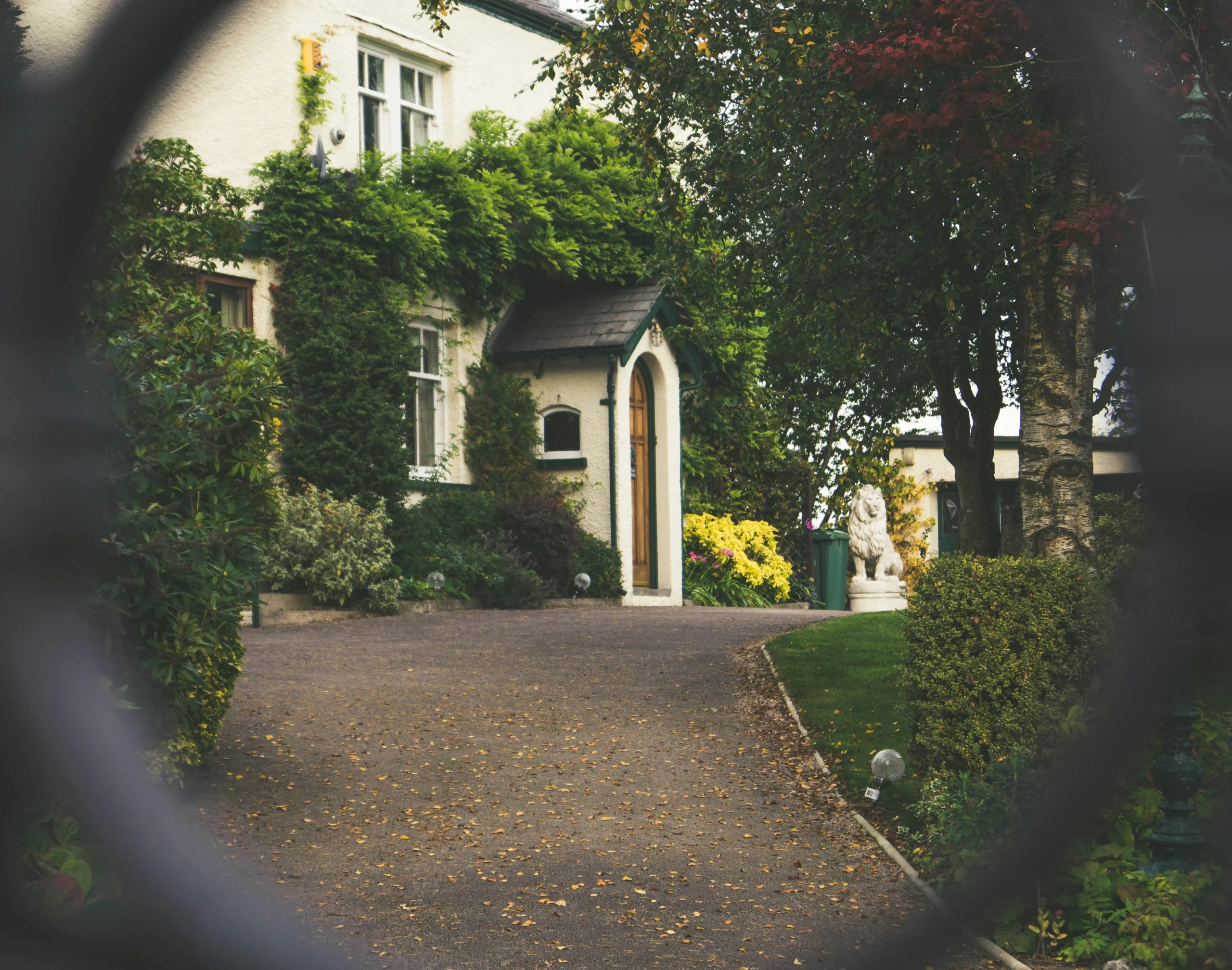
Most homeowners treat the driveway as a purely practical surface. It holds cars, handles traffic, and endures weather. But design begins the moment someone sees your home from the street, and the driveway occupies a significant portion of that view.
When you view it as a design element, decisions shift. Instead of defaulting to basic concrete, you start considering proportion, placement, and how the surface interacts with your home’s siding, trim, and landscaping.
Scale also matters. A wide expanse without visual breaks can overpower a modest home, while a narrow strip may look disconnected from a larger façade. Subtle borders, curves, or material changes help balance those proportions.
Working with the best carport installer matters because proper placement, roofline alignment, and structural scale affect both daily functionality and overall appearance. When design and protection are planned together, the driveway and carport support each other instead of competing for visual attention.
Choose Materials That Reflect Your Home’s Style
Material selection sets the tone for how intentional your driveway feels. Plain gray concrete may serve its purpose, but it does little to reinforce architectural character. When the surface complements your home’s exterior finishes, the entire frontage feels more cohesive.
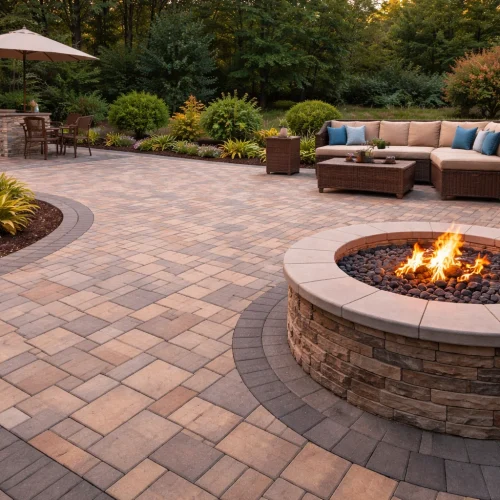
For traditional homes, brick or pavers can echo classic detailing and add texture underfoot. A modern exterior often pairs well with smooth concrete, large-format pavers, or a minimalist grid layout. Even subtle color adjustments can tie the driveway to roof shingles, stone accents, or trim.
Texture plays a role, too. Brushed finishes, exposed aggregate, or patterned stamping introduce depth without overwhelming the design. These choices soften large expanses and create visual interest that feels intentional.
Before committing, step back and evaluate how the material interacts with siding, landscaping, and hardscaping. When the driveway reflects your home’s style rather than ignoring it, the exterior reads as complete and thoughtfully designed.
Define the Space With Borders and Structure
A large driveway can easily feel flat and undefined. Clean borders and intentional edges give it structure and prevent it from blending aimlessly into the yard. Even simple changes can create a more polished look.
Consider adding contrasting paver bands along the perimeter or a subtle change in finish where the driveway meets the walkway. These visual breaks guide the eye and establish clear transitions between surfaces. Straight lines create a crisp, formal appearance, while gentle curves soften the approach.
Landscaping also plays a critical role. Low hedges, structured planting beds, or narrow strips of gravel along the edges frame the driveway without crowding it. These details help it relate to the rest of the yard instead of cutting through it.
Use Lighting and Greenery to Elevate the Experience
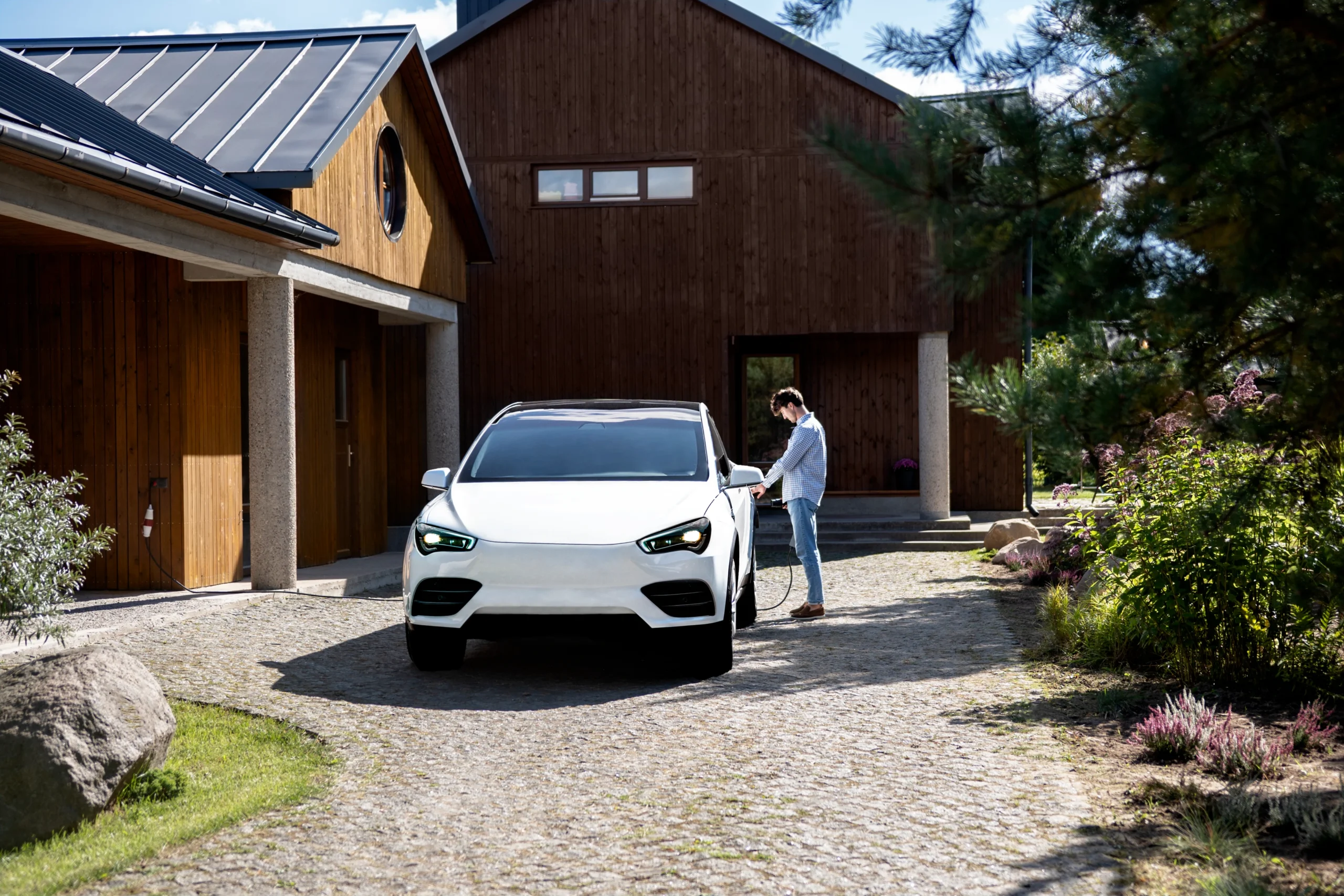
Lighting changes how a driveway looks and functions after sunset. Instead of relying solely on a garage light, layer illumination along the edges or near plantings to create depth and dimension. Soft path lights improve visibility while adding warmth to the approach.
Strategic uplighting can highlight trees or architectural details near the driveway, tying the paved surface into the broader landscape design. Even subtle, low-profile fixtures can make the area feel considered rather than purely practical.
Greenery adds balance to hard surfaces. Ornamental grasses, structured shrubs, or seasonal flowers along the perimeter soften concrete or pavers and create contrast. Choose plants that suit your climate and require manageable upkeep.
Add Personal Details That Make It Feel Intentional
Once the structure and materials are in place, smaller details give the driveway personality. These finishing touches signal that the space was designed, not simply installed.
Consider incorporating a subtle inlay pattern, a change in paver direction near the entrance, or a framed parking pad that visually defines where vehicles belong. These adjustments introduce order and prevent the surface from feeling oversized or empty.
You can also connect the driveway to nearby features. A coordinated mailbox post, matching house numbers, or a defined walkway that branches off toward the front door strengthens visual flow. Even the way the driveway meets the sidewalk or street can be refined with a cleaner edge or intentional transition.
When these details align with your home’s overall style, the driveway reads as a deliberate design choice rather than leftover square footage.
Make Maintenance Part of the Design Plan
An intentional driveway does not stop at installation. Ongoing maintenance preserves both appearance and performance. Cracks, stains, and uneven settling quickly undermine even the most thoughtful design choices.
Sealants, regular cleaning, and prompt repairs keep surfaces looking sharp and extend their lifespan. If you have pavers, periodic re-sanding and leveling prevent shifting that disrupts clean lines. For concrete, addressing small fractures early avoids larger structural issues later.
Drainage also deserves attention. Proper grading and clear runoff paths prevent water pooling, which can stain surfaces and weaken foundations over time. A driveway that functions well supports the visual harmony you worked to create.
Wrapping Up
Your driveway occupies more visual space than almost any other exterior feature. When it feels disconnected, the entire front of your home can seem unfinished. When it aligns with your architecture, landscaping, and structural elements, everything looks more cohesive.
Intentional choices in layout, materials, borders, lighting, and maintenance transform a purely functional surface into a design asset. Instead of blending into the background, your driveway becomes part of the overall composition. Treat it with the same care as your entry or exterior paint, and the difference shows the moment someone pulls up.
FAQs
The driveway occupies a large visual portion of the front exterior, so its design directly influences curb appeal and how polished the property appears.
Brick, pavers, stamped concrete, and exposed aggregate can add texture and character while complementing your home’s architectural style.
Borders using contrasting pavers, gravel, or stone create visual structure and help separate the driveway from lawns, walkways, or landscaping.
Yes, layered lighting along edges or landscaping improves nighttime visibility while adding warmth and depth to your exterior design.
Strategically placed shrubs, ornamental grasses, or planting beds soften hard surfaces and visually connect the driveway to the rest of the yard.
Ideally, yes. Materials, colors, and textures that echo the home’s architecture help the entire exterior feel cohesive and intentional.
Subtle inlays, patterned pavers, defined parking areas, or coordinated mailbox and walkway features can elevate the driveway’s appearance.
Proper placement ensures the carport aligns with rooflines, scale, and driveway layout, improving both functionality and visual balance.
Regular cleaning, sealing, crack repairs, and maintaining proper drainage help preserve the driveway’s appearance and structural integrity.
Yes, a well-designed driveway enhances curb appeal and can positively influence buyers’ first impressions, potentially increasing property value.